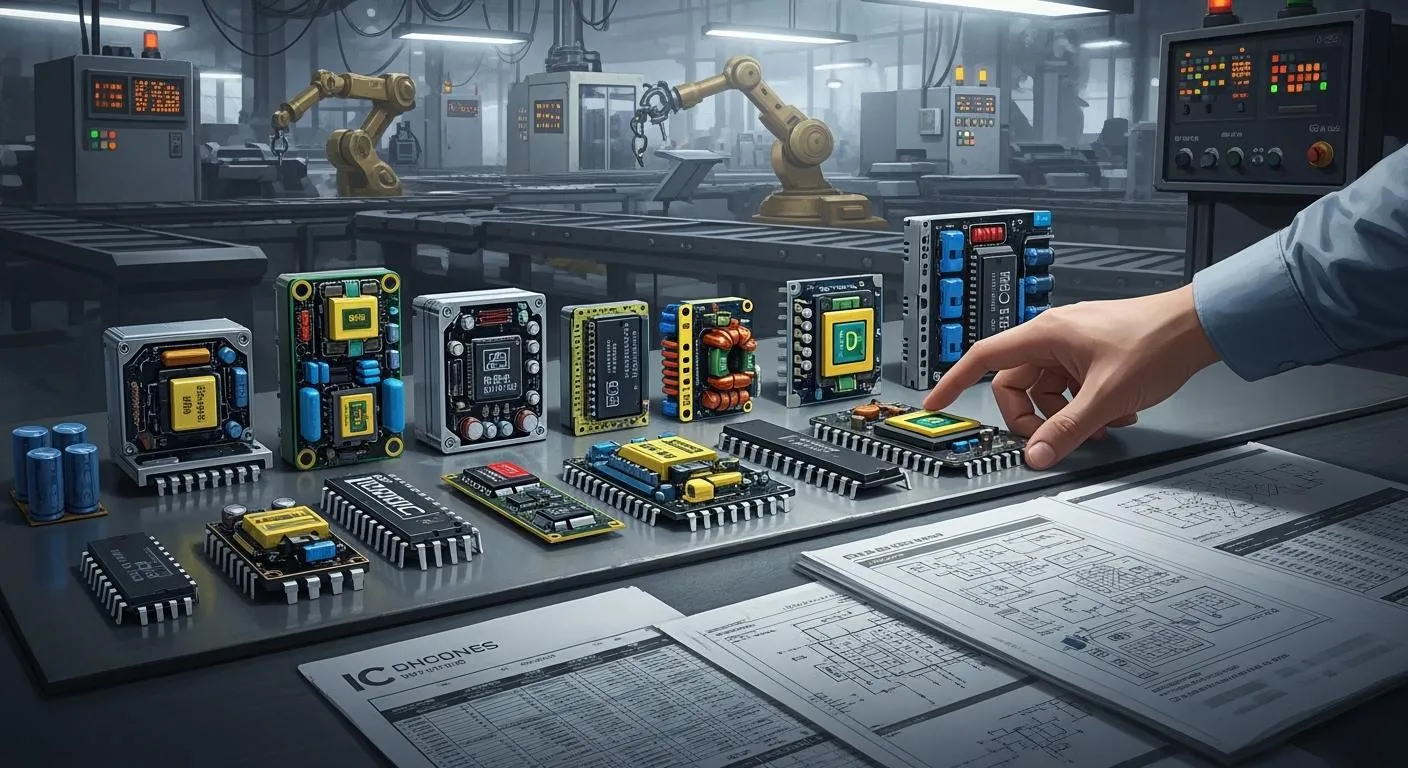
You want the best power supply ICs for your machines. Some top choices are TDK-Lambda CUS400M, Texas Instruments LM76005, Analog Devices LTC3895, Infineon IR3826, ON Semiconductor NCP3065, and STMicroelectronics L7987. Power management helps keep your machines safe. It also helps them keep working. Good power management means your machines work longer. Many industries use open-frame and switching mode power supplies. Always pick the power supply IC that fits your needs.
Key Takeaways
Pick a power management IC that matches your machine’s voltage and current. This helps keep things safe and working well.
Find features like adjustable output, thermal management, and fault monitoring. These make your power supply more reliable.
Think about where you will use the IC. Heat and humidity can change how it works.
Look for safety certifications like ENERGY STAR and UL Listing. These show the IC meets industry rules.
Check if the manufacturer gives good support and clear instructions. This helps you set up and fix your power management IC.
Top Power Management ICs for Industry
TDK-Lambda CUS400M Overview
You want a pmic you can count on for your machines. The TDK-Lambda CUS400M is a great pick. This power management integrated circuit gives strong power and keeps things safe. You can use it in factories or stores. It works with many input voltages and gives a lot of current. You can change the output and use remote sense. The universal input makes it simple to set up. The table below lists the main specs:
Attribute | Value |
|---|---|
Manufacturer | TDK-Lambda |
Application Grade | Commercial, Industrial |
Current-Output 1 | 10.42 A |
Power (Watts) | 250W (400W Forced Air) |
Voltage-Input | 85 ~ 264 VAC |
Voltage – Isolation | 4 kV |
Operating Temp | -20°C ~ 70°C (With Derating) |
Number of Outputs | 1 |
Voltage – Output 1 | 24V |
Features | Adjustable Output, Remote Sense, Standby Output, Universal Input |
You can feel safe because it has certifications. The CUS400M meets medical safety rules and EMI rules. You can use it in Class I and Class II places. Here are the certifications:
Certification/Standard | Description |
|---|---|
Medical Certifications (2xMOPP) | Meets medical safety standards |
Class B Conducted and Radiated EMI | Complies with EMI regulations |
Suitable for Class I and Class II | Compatible with various installations |
You can trust this pmic to keep things running and safe. The power supply IC helps your machines last longer and stay safe.
Texas Instruments LM76005
You need a pmic that works well in hard places. The Texas Instruments LM76005 has a wide input voltage range. It gives good thermal performance and meets EMI rules. This power management integrated circuit helps with different power needs. The table below shows what is good and not so good:
Advantages | Limitations |
|---|---|
Wide input voltage range | Thermal management challenges under high load |
Optimized thermal performance | |
Compliance with EMI standards |
You can use this pmic for many power jobs. You need to watch for heat when using it with heavy loads. The power supply IC works for many industrial jobs.
Analog Devices LTC3895
You want a pmic that gives you control and saves energy. The Analog Devices LTC3895 lets you handle high voltages and currents. You get features like adjustable output and strong protection. This power management integrated circuit is good for automation and control systems. You can use it for motor drives and factory machines. The pmic helps your machines get steady power. You get power that is safe and reliable for tough jobs. The power supply IC helps your machines stay on and safe.
Infineon IR3826
You need a pmic that saves energy. The Infineon IR3826 gives you steady voltage. You get fast response and low ripple. This power management integrated circuit is good for data centers and industrial computers. You can use it for controllers and robots. The pmic helps you use less energy and make less heat. You get steady power for sensitive electronics. The power supply IC gives your machines good power.
ON Semiconductor NCP3065
You want a pmic for lights and LED control. The ON Semiconductor NCP3065 gives you flexible power for many lighting jobs. You can use it as a constant current source or a high-power LED driver. The device works well in cars and boats. You can also use it for yard lights and MR-16 replacements. Here are the main uses:
Constant Current Source
High Power LED Driver
High Brightness LED (HB-LED)
Automotive and Marine Lighting (LED)
Low Voltage LED Landscape Lighting
MR-16 Replacement
You get a power management integrated circuit you can trust for your lights. The power supply IC helps you control brightness and save energy.
STMicroelectronics L7987
You need a pmic that is flexible and keeps things safe. The STMicroelectronics L7987 is good because it has a wide input voltage range and high output current. You can change the output voltage from 0.8 V to VIN. The device can run at 100% duty cycle for safety. You get high efficiency at light loads with its switchover feature. The pmic has adjustable current limits and strong protection. You can connect more than one device to lower noise. The table below lists its main features:
Feature | Description |
|---|---|
Input Voltage Range | Wide input voltage range suitable for industrial applications. |
Output Current Capability | Capable of delivering up to 3 A DC. |
Output Voltage Adjustability | Adjustable output voltage from 0.8 V to VIN. |
Duty Cycle Capability | 100% duty cycle capability for fail-safe specifications. |
Efficiency at Light Load | Embedded switchover feature on the VBIAS pin maximizes efficiency. |
Current Limitation | Adjustable current limitation for selecting inductor RMS current. |
Protection Mechanisms | Pulse-by-pulse current sensing and peak current foldback for effective protection. |
Output Voltage Sequencing | PGOOD open collector output for output voltage sequencing during power-up. |
Synchronization | Multiple devices can be synchronized to prevent noise in low noise applications. |
You get a 365-day warranty with refund or replacement if it breaks. The table below shows the warranty:
Warranty Term | Description |
|---|---|
365 Days | Product quality guarantee with refund or replacement for defective items in original condition. |
You can trust this power management integrated circuit for industry. The power supply IC gives you strong protection and flexible power. The pmic helps your machines work safely and well.
Each pmic has special features for industry. You need to pick the right power management integrated circuit for your job. The power supply IC you choose will affect how long your machine works, how safe it is, and how well it runs.
Types of Power Supply ICs
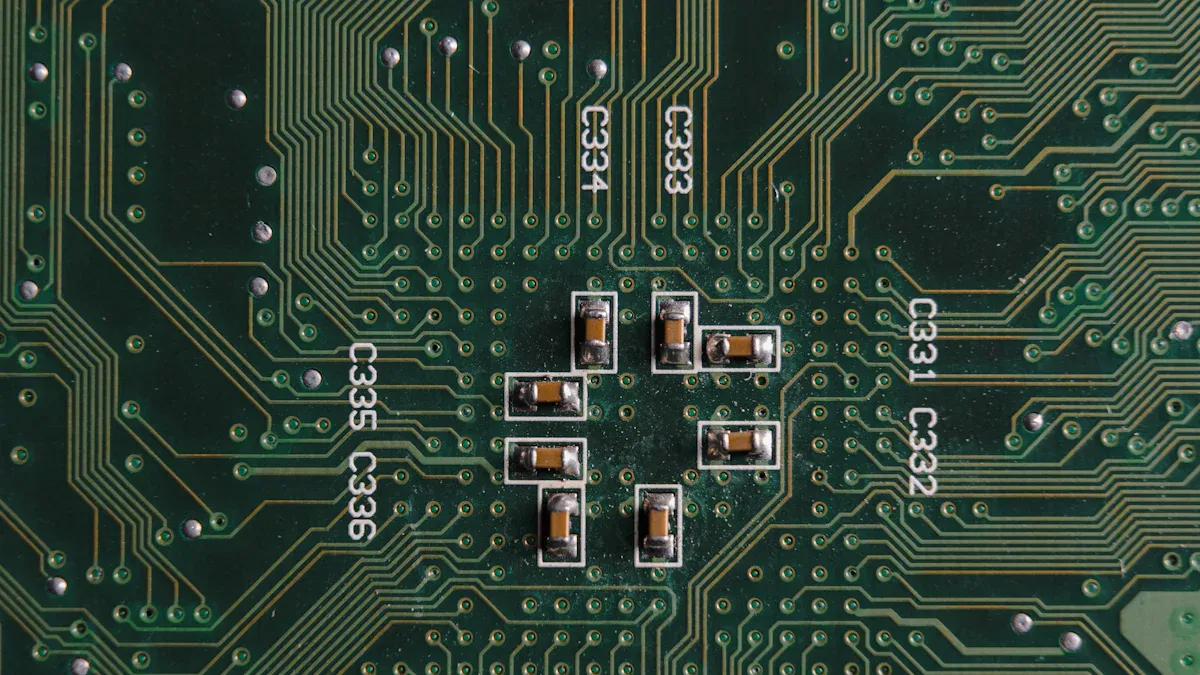
Open-Frame Power Supplies
Open-frame power supplies are used in many machines. These do not have a case around them. You see just the circuit board. You can put them inside a bigger box or cabinet. This design lets air move around the parts. It helps keep things cool. You can change these supplies to fit what you need. People use them in medical tools, phone systems, and factory machines. Open-frame power supplies are cheaper and lighter than closed ones. But they do not protect well from dust or water. You must be careful not to touch the live parts.
Tip: Put open-frame power supplies inside a safe cabinet or machine.
Here is a table that shows how open-frame and closed-frame power supplies are different:
Feature | Open Frame Power Supply | Closed Frame Power Supply |
|---|---|---|
Construction | Bare circuit board | Protective casing |
Cost | Lower | Higher |
Thermal Management | Better airflow | May need extra cooling |
Customization | Easier | Less flexible |
Weight | Lighter | Heavier |
Environmental Protection | Limited | Strong |
Safety | Higher risk of contact | Safer |
Applications | Medical, telecom, automation | Harsh environments |
Switching Mode Power Supplies
Switching mode power supplies, called SMPS, save energy. You use them when you want your machines to use less power. SMPS change electricity with fast switches. They work very well, with 80% to 95% efficiency. This means less energy turns into heat. Your machines stay cooler and last longer. You also spend less money on power. SMPS have safety features. They protect against too much voltage, too much current, and short circuits. This keeps your machines and people safe. These supplies meet rules like UL and CE. You need SMPS for new factories and data centers.
You get better power control.
You waste less energy.
You make your machines more reliable.
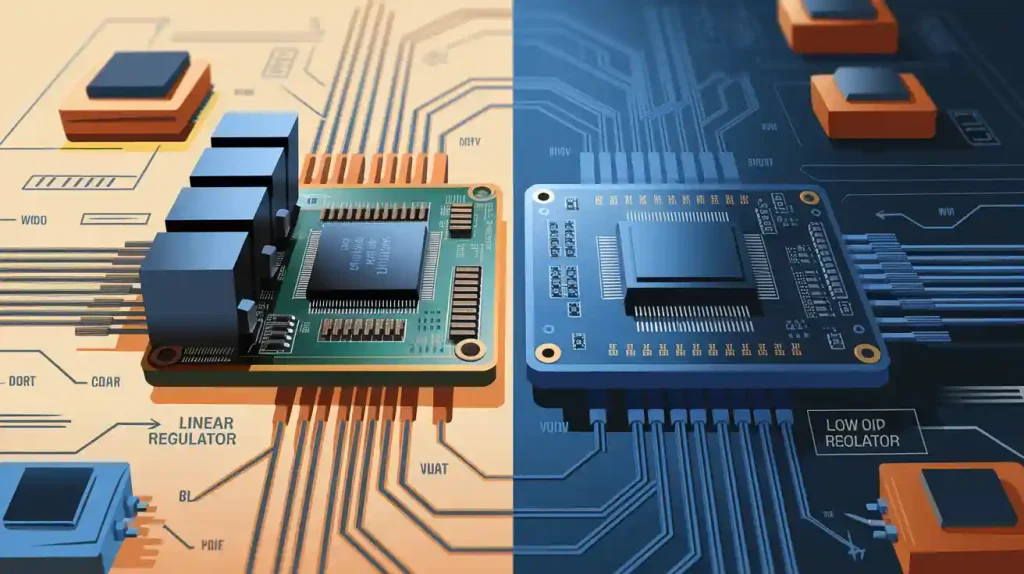
Linear Power Supply ICs
Linear power supply ICs give simple and steady power. You use them when you need clean voltage and low noise. These are good for sensitive electronics, like sensors and control parts. The output is smooth, but they are not as efficient as SMPS. Most lost energy turns into heat. You need good cooling if you use them for high power. Pick linear power supply ICs when you want easy power and steady voltage.
Note: Linear power supply ICs are best for low-power jobs where you need low noise and ripple.
You need to know the differences between these types. This helps you pick the right one for your machines.
Key Factors in Power Management IC Selection
Power Requirements & Scalability
You have to pick a power management IC that fits your system. First, check what voltage and current your devices need. Many machines use more than one voltage. You might need a regulator with more than one output. Tight regulation keeps the voltage steady. This helps stop data loss. Programmable sequencing lets you choose when parts turn on or off. This keeps your system working right. Fault monitoring looks for problems. It can turn off the system if something goes wrong. High efficiency means less energy is wasted as heat. Low quiescent current means the IC uses little power when not working. Good thermal management keeps things cool, even if the load changes.
Key Aspect | Description |
|---|---|
Multiple Voltage Domains | Supports different components in your system. |
Tight Regulation | Keeps voltage within safe limits. |
Programmable Sequencing | Controls power-up and shutdown order. |
Fault Monitoring | Watches for problems and protects your devices. |
Efficiency | Saves energy and lowers heat. |
Quiescent Current | Uses less power when idle. |
Thermal Management | Handles heat for better reliability. |
You should also think about adding more devices later. Pick a regulator that can give more power if you need it. This helps your system get ready for new changes.
Environmental Conditions
Factories and other places can be hard on electronics. High heat makes parts wear out faster. This can make your power supply not work well. Cold can make water form and hurt your system. Humidity brings water that can damage small parts. If the air is too dry, static electricity can build up. This can hurt your regulator or battery management system. Changes in temperature can change how things work inside. Very hot or cold places can cause signal problems or even make things stop working. You need a power management IC that works well in all these places.
High heat can make your regulator not last as long.
Cold can make water form and break your system.
Humid air can cause rust and leaks.
Dry air can cause static shocks.
Big temperature changes can change how your dc-to-dc conversion works.
Safety & Compliance
You must follow safety rules for every project. Governments make rules to keep power supplies safe and efficient. These rules help companies make better power management and battery management. Look for certifications like ENERGY STAR, UL Listing, and EMC Standards. These show your regulator is safe and works well.
Compliance Standard | Description |
|---|---|
ENERGY STAR | Promotes energy efficiency |
UL Listing | Safety for electrical devices |
EMC Standards | Controls electromagnetic interference |
Thermal Management | Sets rules for handling heat |
You should also check for high efficiency and EMI standards. In Europe, there are ErP and Ecodesign rules. Meeting these rules helps your dc-to-dc conversion and battery management systems stay safe and work well.
Power Management ICs: Features & Comparison
Performance Metrics
When you pick a power management IC, you need to check some important things. These things show how well the supply works in your machines. Good regulation means your devices get the right voltage and current. You should see how much power the supply uses and how much energy it saves. The table below lists the main things you should look at:
Metric | Description |
|---|---|
Power Consumption | How much power the supply uses. Lower is better for saving energy. |
Voltage | The supply must give the right voltage for your devices. |
Current | The supply must handle the current your system needs. |
Harmonics | Fewer unwanted signals mean better power quality. |
Efficiency | Shows how well the supply turns input power into output power. |
Power Quality | Good power quality keeps your machines running smoothly. |
Energy Consumption | Total energy used over time. Helps you plan for costs. |
You should always check these things before you pick a supply. Good regulation and high efficiency help your machines last longer.
Reliability & Uptime
You want your machines to work all the time. Reliable power management keeps your supply working even in tough places. You need to make sure the supply works in its best range. Some supplies have covers to keep out dust and water. Good thermal design helps the supply stay cool. You should look for strong connectors and good layout to stop heat problems. Protection from short circuits and arcs keeps your system safe. Some supplies can watch for problems and warn you before something breaks. This helps you fix things before they stop working.
Design Aspect | Description |
|---|---|
Ideal Operating Range | Keeps the supply working well for a long time. |
Encapsulation & Thermal Design | Protects the supply from dust, water, and heat. |
Power Dissipation | Good layout helps the supply get rid of heat. |
Electrical Connections | Strong connectors help with safe power delivery. |
Arc & Short Circuit Protection | Stops damage from sudden faults. |
Enhanced System Reliability | Some supplies can warn you about problems before they stop working. |
You should pick a supply with good regulation and strong protection to keep your machines running.
Cost Efficiency
You want to save money and keep your machines safe. Cost efficiency means you get the best value from your power management IC. High efficiency means you spend less on energy. Good regulation helps you avoid damage and repairs. Some supplies cost more at first but save you money later because they last longer and use less power. You should look at both the price and the features. Pick a supply that fits your needs and gives you good regulation and protection.
Tip: Pick a supply that balances cost, regulation, and reliability for your job.
Comparison Table: Key Features, Pros, Cons, and Use Cases
IC Model | Key Features | Pros | Cons | Ideal Use Case |
|---|---|---|---|---|
TDK-Lambda CUS400M | High power, strong regulation | Reliable, safe, flexible | Higher cost | Factory machines, medical |
TI LM76005 | Wide input, good EMI, regulation | Versatile, efficient | Needs good cooling | Industrial control, robotics |
Analog Devices LTC3895 | High voltage, adjustable regulation | Energy saving, robust | Complex setup | Automation, motor drives |
Infineon IR3826 | Fast response, low ripple | Energy efficient, steady | Limited output | Data centers, controllers |
ON Semi NCP3065 | LED driver, flexible regulation | Good for lighting, simple | Not for high power | LED lighting, automotive |
STMicro L7987 | Wide input, strong protection | Flexible, safe, efficient | Needs careful setup | Industrial, automation |
You can use this table to find the right supply for your needs. Always check the regulation, protection, and cost before you choose.
How to Choose the Right Power Supply ICs
Assessing Application Needs
You need to pick the right pmic for your machines. First, write down what your system needs. List the voltage and current for each part. Think about how many outputs you need. Some machines need more than one voltage. Check if your system needs power sequencing. Power sequencing turns parts on and off in order. This keeps your machines safe. If you use batteries, look for pmic with housekeeping and control. These features help you charge and use batteries. You also need to think about space. Some pmic are small and fit tight spots. Others need more room. Make sure the pmic fits in your cabinet or board.
Tip: Draw a simple picture of your system. Show where you need power sequencing and housekeeping and control.
Evaluating Power Management Features
You must check the features of each pmic. Good power management helps your machines last longer and stay safe. See if the pmic gives steady voltage and current. This is called power regulation. You want a pmic that watches energy use. Energy monitoring helps you save money and find problems. If your system uses batteries, battery management is important. Safety and fault detection keep your machines safe. Some pmic have housekeeping and control for better checks. You should also look for integration abilities. These help your pmic work with other parts and follow rules.
Here is a table of important power management features:
Critical Feature | Description |
|---|---|
Power Regulation | Makes sure voltage and current stay steady for good work. |
Energy Monitoring | Watches energy use and helps you save power. |
Battery Management | Handles battery charging and use, important for battery systems. |
Safety and Fault Detection | Finds and stops problems to keep things safe. |
Integration Capabilities | Lets your pmic work with other parts and follow standards. |
Check if the pmic can do power sequencing. Power sequencing helps you stop damage when turning on machines. Housekeeping and control make your system smarter and safer.
Manufacturer Support
You need help when setting up your pmic. Good support from the company makes things easier. Look for companies with clear guides and quick help. Some brands have online tools for power sequencing and housekeeping and control. Check if the company gives updates and fixes. Strong support helps you solve problems fast. If you change your system, good support helps you pick new pmic. You can ask questions and get help with power management. This keeps your machines working and safe.
Note: Pick a company with strong support for power sequencing and housekeeping and control. This helps you keep your system running.
You can pick from many strong power management ICs. Each IC helps with safety and reliability. You also save energy with these ICs. Your choice depends on what your machines need. The place you use them matters too. You must follow rules for your industry. New trends want better energy-saving solutions. Smart integration is also important now.
Keep learning about new things like AI optimization and Wide Bandgap materials.
Checklist for picking the best power supply IC:
Check for dust and overheating often.
Watch if voltage stays steady.
Make sure output matches your load.
Keep the area cool and well-ventilated.
Always plan for backup power.
Change parts before they break.
Trend | Impact |
|---|---|
Energy-efficient devices | Needs advanced power management |
Smart grid technology | Makes integration and efficiency better |
Industrial automation | Needs more advanced ICs |
FAQ
What is a power supply IC?
A power supply IC gives power to your devices. It helps your machines work safely. It controls the voltage and current for each part.
How do you choose the right power supply IC?
First, check what voltage and current your machine needs. Look for safety features and certifications. Pick an IC that fits in your space and works where you use it.
Why does efficiency matter in industrial power supplies?
If the IC is efficient, less energy turns into heat. You spend less money on electricity. Your machines stay cooler and last longer.
Can you use one power supply IC for different machines?
Some ICs can work in many machines. You must check if the IC gives the right voltage and current. Always read the datasheet before you pick one.