A set-top box is an electronic device that connects your TV screen to outside signal sources. This small box gets TV signals from cable wires, satellite dishes, digital antennas, or internet streams. Inside the device, special hardware tunes into these incoming signals and converts the raw data into clear sound and sharp picture. It quickly displays watchable shows on your television screen, and millions of American homes use these receivers every day.
The US set-top box market size is projected to be $4,119.96 million in 2025.
These modern signal converters bring easy digital entertainment options straight into your living room.
Key Takeaways
Set-top boxes turn incoming media signals into clear pictures and audio for your TV display.
Older cable boxes use real wires, but digital streaming tools use your home internet connection instead.
Newer boxes come with easy-to-use TV schedules, show recording features, and instant app collections.
Outside receivers handle video quicker than smart TVs, making system upgrades both simple and inexpensive.
What Is a Set-Top Box and How Does It Work?
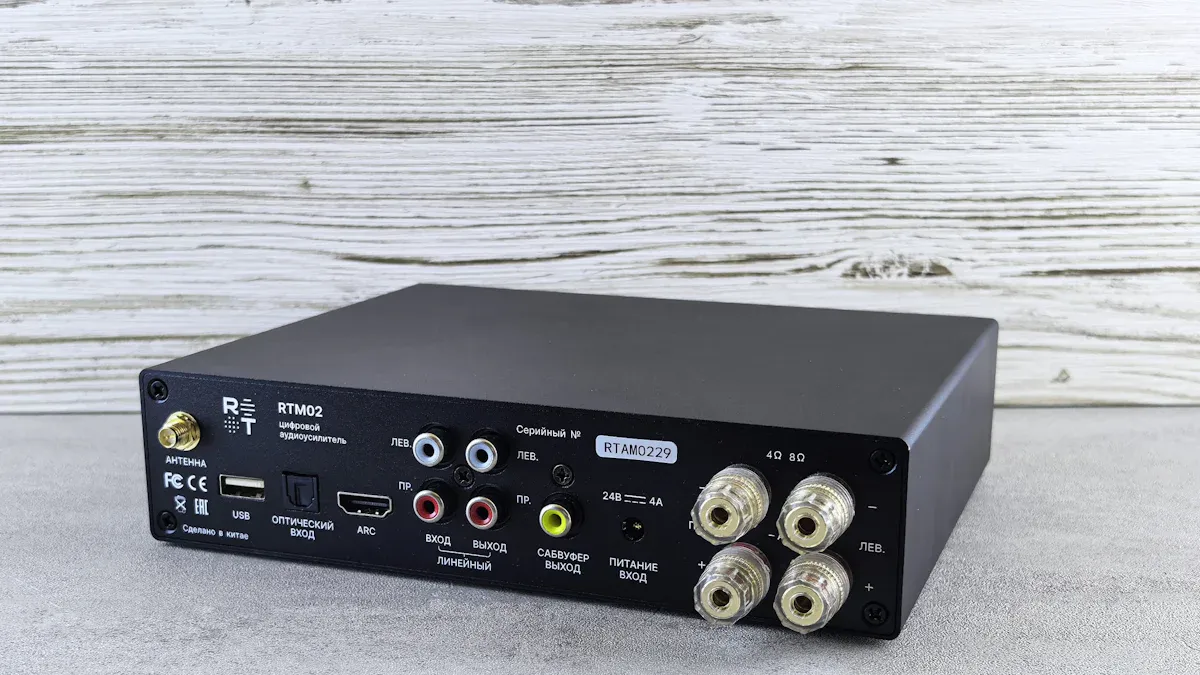
You watch favorite shows easily, yet TV displays cannot read raw broadcast data on their own. Set-top boxes link screens to outside feeds. These helpful receivers act as translators between incoming media signals and your display screen.
Signal Reception and Decoding
First, receiver hardware locks onto incoming broadcasts sent by your service provider. You can plug a physical cable line into the box, attach satellite feeds, hook up antenna wires, or connect internet cables. Wireless Wi-Fi setups work great too. An internal tuner picks your chosen channel frequency from incoming wires or airwaves.
Televisions have separate modes for scanning channels. The tuner operates in either “Antenna/Air” mode to find ATSC signals or “Cable” mode to find QAM signals. A TV cannot scan for both types at the same time.
Satellite transponders push massive amounts of digital video straight to receivers. A digital satellite setup like GOES Rebroadcast sends data at 31 Mbps. This satellite system pushes 1.5 to 2 terabytes of data daily. Your tuner picks up this fast digital stream instantly without losing important information. This steady connection guarantees clean reception.
Next, special internal chips decode raw data into clean video. Modern stb hardware relies on High Efficiency Video Coding, called HEVC or H.265. HEVC uses half the bandwidth of older H.264 formats. It drops bandwidth usage by 75% compared to ancient MPEG-2 options. Older decoders used fixed 16×16 pixel blocks. Modern stb decoders use a Coding Tree Unit up to 64×64 pixels. These bigger blocks let hardware process large plain areas like open sky or solid walls using one motion vector and transform numbers. This step cuts extra data needs. Doubling block sizes saves 10% to 15% more bitrate. This smart decoding helps your box show crisp video smoothly without annoying buffering.
Audio and Video Output Processing
After decoding data packets, set-top chips turn digital files into clear uncompressed signals. Internal chips separate video tracks from digital audio streams. The box builds video packets back into picture frames. At the same time, audio circuits turn digital sound into surround sound or simple stereo audio. The device finishes this conversion instantly.
You hook up set-top hardware straight to displays using simple cords:
Use one HDMI cable to send digital sound signals along with sharp video signals straight into your TV screen.
Use standard old-school AV wires with yellow, white, and red plugs to send analog video and audio into older TVs.
The box sends these uncompressed signals straight to display screens. Your unit handles live iptv feeds, standard cable channels, and internet streams easily. You run this set-top box using infrared remotes or Bluetooth controls. The system updates screen images thousands of times every minute. You enjoy crisp pictures and clear sound on your screen right away.
Main Types of STB Hardware

Traditional Cable and Satellite Receivers
You can select standard set-top box models for regular television services. Cable providers supply custom receivers to decode hidden coaxial signals. Satellite companies offer special dish gear that connects right to your receiver. A basic set-top tuner processes incoming broadcast channels clearly. You switch channels using a standard remote control. The hardware turns raw radio feeds into standard video signals.
These reliable units convert raw signals without needing your home internet speed. Service providers place access security cards inside your set-top unit. This hardware opens your paid channel package automatically. You enjoy steady broadcast delivery during busy viewing hours. Traditional setups shield your picture quality from local network slowdowns. Internal decoders prevent video delay during live shows.
Digital IPTV and Streaming Devices
Modern digital iptv hardware sends television shows through home broadband networks. You plug a smart set-top box into your web router using Ethernet cables or Wi-Fi. This link lets you watch video content without coaxial lines. A digital iptv system turns web data into sharp pictures on your tv screen. You navigate simple menus using easy onscreen controls. Internal chips process web data right away.
Digital internet streaming protocols send data packets directly to your receiver for smooth playback.
A dedicated streaming box handles high-definition video feeds very fast. You can open popular media applications on an advanced media player. These fast streaming devices offer immediate access to large on-demand libraries. Special internal processors change compressed internet feeds into clear pictures on your display. You stream movies without annoying delays.
Device | Market Share |
|---|---|
Roku | 49% |
Amazon Fire TV | 16% |
Buyers pick standalone streaming hardware for flexible viewing choices. An iptv receiver manages high data bitrates easily. Your stb unit decodes online video fast. A modern stb unit brings endless entertainment choices to your living room setup. Small media players fit easily behind mounted flat screens.
Core Features of Modern STBs
Interactive Guides and DVR Recording
Modern set-top boxes arrange hundreds of live channels into clear digital menus. You can open an Electronic Program Guide (EPG) right away with your remote. The interactive guide shows current channel lineups, detailed show notes, and future start times. You pick different channels fast without guessing schedule details. Built-in receiver chips process these listings quickly for smooth screen scrolling. This smart setup updates by itself through broadband networks.
Digital Video Recorder (DVR) technology stores live shows onto internal storage drives. Set-top receivers with dual tuners let you view one show while recording another live channel.
Most dual-tuner units max out at 1 watch + 1 record.
Internal hard drives give you plenty of space for your saved shows.
500 GB seems to be a good starting point for storage, but remember that the storage ratio compared to recording hours isn’t the same across brands.
Your set-top box plans future recordings automatically so you never miss your favorite shows. Built-in software gives you scheduling tools for easy channel control.
On-Demand Access and App Support
New receivers bring interactive media services right to your living room screen. You can reach huge video-on-demand (VOD) libraries over fast internet lines. Provider servers send compressed video data straight to your receiver box right away. You search show groups easily with your remote control.
Compressed standard definition video typically under 1 GB per hour. So, a server with 20,000 hours of video (fairly typical) would require 10 to 20 TB of storage.
This system lets you pause, rewind, or replay video programs whenever you want.
Newer boxes change basic tv setups into complete home entertainment centers. Broadband connection lets your stb run interactive applications next to regular iptv channels. A good stb decodes digital feeds smoothly. You download popular apps for direct streaming without buying extra hardware. These modern streaming apps load high-definition movies quickly on your screen. Strong internal chips swap between live broadcast channels and software tools easily.
Set-Top Devices vs. Smart TVs
Processing Power and Hardware Lifespan
You buy a television screen to enjoy high-quality pictures for many years. Integrated smart TV displays combine visual panels with built-in system chips. However, internal television hardware ages rapidly over time. A standalone set-top box houses dedicated microprocessors for media decoding. These external processors manage heavy video workloads much better than built-in chips. Your overall viewing experience stays smooth during long playback sessions. Fast processors render menus quickly and load complex software tools easily.
You can upgrade external hardware without replacing your expensive television display. A separate set-top unit isolates video processing from the main display panel. You keep your television screen when internal chips become slow. Swapping your set-top device costs far less money than buying a brand new display screen. You enjoy high processing power while keeping your primary display screen intact. This smart equipment setup protects your financial investment while giving you strong computing power every day.
Platform Updates and Content Selection
Software platforms require strong hardware to launch new interactive apps. Smart TVs often lose factory support after a few years of consumer use. Manufacturers stop issuing software patches for older display models. Modern STBs maintain high performance levels across longer operational periods. An external stb receives system upgrades directly from developers to keep your smart functionality active for long periods.
Specialized set-top devices offer direct access to expansive digital media libraries. You discover new entertainment content across unified home screen menus easily.
Set-top boxes ‘should receive more frequent software updates from the manufacturer‘ compared to smart TVs.
These frequent system updates deliver fresh streaming software and critical security fixes to your living room unit. You run popular applications smoothly without annoying system crashes or video freezes. Specialized receiver hardware gives you quick access to digital content whenever you want to watch shows. An external receiver delivers steady media content directly to your television screen for many years.
A set-top box acts as an important signal translator for your TV screen. This handy receiver works quickly to turn raw broadcast signals into high-quality shows right on your television screen. Its separate decoding hardware handles heavy digital video tasks with total ease. Because of this, you get better channel controls, fast menus, and smooth performance while watching live shows.
A modern STB reads complex digital video feeds much faster than a smart TV’s built-in apps can. You avoid annoying system slowdowns and get reliable playback every single day. Replacing an external receiver keeps your home entertainment fast and up-to-date without buying a whole new screen. Choosing this dedicated device is an easy way to build your dream setup.
FAQ
Do you need a set-top box if you have a smart TV?
Smart TVs do not always require a set-top box to work properly. Still, an external receiver gives you faster updates, stronger computing power, and special channel options. It keeps your TV running well when internal apps get slow or stop receiving support.
How does a set-top box connect to your TV screen?
An HDMI cable links your set-top device right to your television display. This single cord carries clear digital audio and high-definition video at the exact same time. Older TVs use standard AV cords with red, white, and yellow plugs instead.
Can a set-top box work over a wireless internet connection?
Yes, newer streaming units hook right up to your home Wi-Fi network. You can plug in an Ethernet cable for a much more stable signal too. This web connection lets you watch live iptv feeds and on-demand video without coaxial cords.
What is the main difference between cable boxes and streaming devices?
Cable boxes read standard TV signals coming through physical coaxial cables or satellite dishes. Streaming players grab digital media files straight over your home internet connection. Both types of hardware translate outside data into clear pictures on your screen.