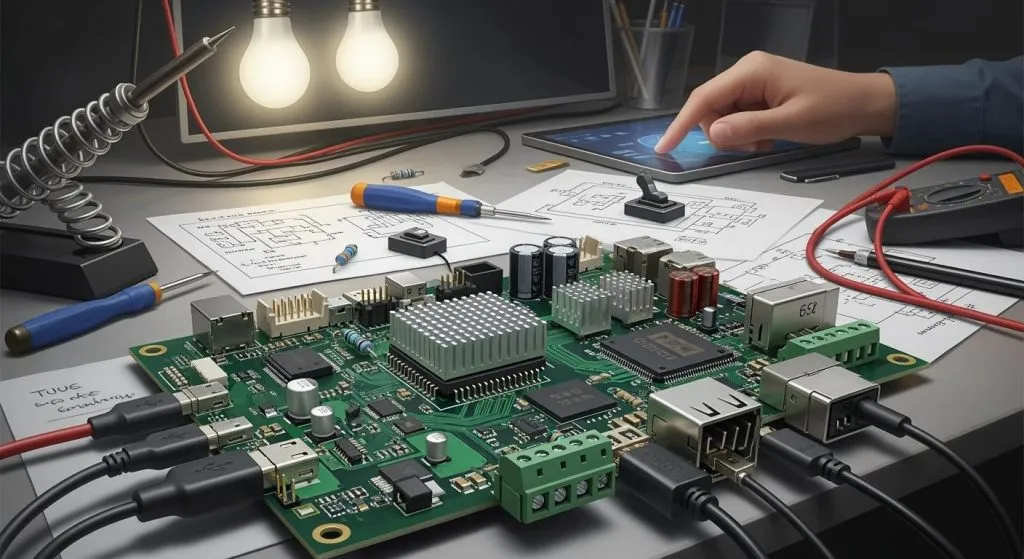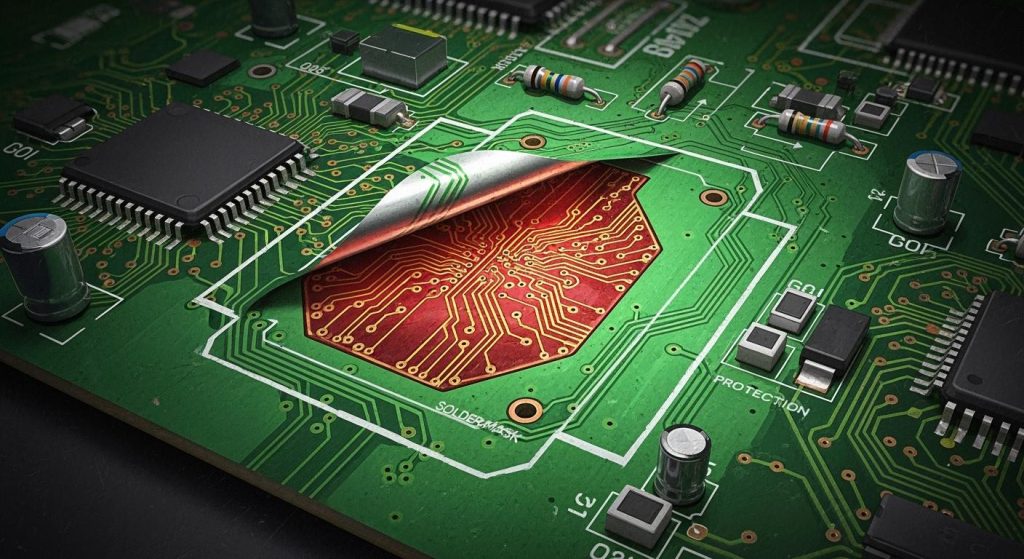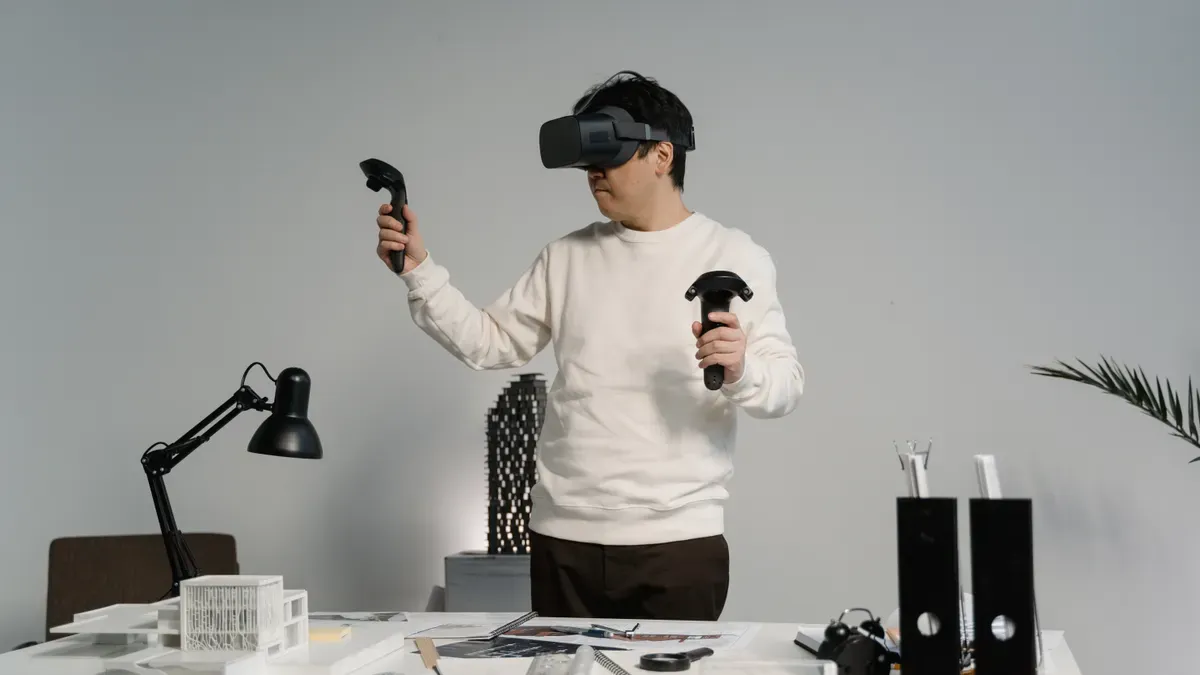
Making hardware takes great skill. You must follow four main steps. First is industrial design. Next comes optical integration. Then comes rapid prototyping. Last is mass manufacturing. Today, workers use vr in manufacturing tech. They build real items and virtual models together. This creates better gear much faster. It finds bad flaws early. It saves money before factory tool setup.
💡 Key Takeaway: Virtual reality changes how factory teams make products.
Read this manufacturing guide to lead your next vr virtual reality project.
Key Takeaways
Mix real models with virtual ones.
This helps find hardware errors early.
Balance the headset weight well.
Put weight on the forehead for comfort.
Use quiet internal fans inside.
They stop lens fog.
They push extra heat away.
Choose pancake optics for designs.
They make headsets smaller and lighter.
Fix overlapping parts in virtual reality.
Do this before making steel molds.
Put optical parts together in cleanrooms.
This keeps dust off the displays.
Test small assemblies very early.
This improves factory yield.
It cuts down on wasted materials.
Ergonomic VR Equipment Design Phase

Engineers face tough physical limits here. They build immersive vr gear carefully. You need good balance and low weight. Comfort makes a great product.
Headset Chassis and Shell Architecture
Structural Materials and Weight Reduction
Pick light materials for the frame. This stops neck pain during use. Top teams use smart plastic blends. Some use strong magnesium metal alloys. These choices drop total weight fast. They stop breaks from hard drops.
Facial Geometry and Comfort Distribution
Spread the total device weight out. Touchpoints on the face need balance.
💡 Ergonomic Tip: Push weight onto the forehead bone. Avoid sensitive cheekbones for better long-term comfort.
Component | Target Mass Share | Primary Function |
|---|---|---|
Front Optics Enclosure | < 45% | Holds lenses and display engine |
Strap Assembly | ~ 30% | Balances leverage and provides support |
Rear Battery Counterweight | ~ 25% | Centers system mass over the crown |
Thermal Management in Enclosed VR Systems
Passive Heat Dissipation Strategies
Internal computer chips get very hot. Sealed outer frames trap warm air. Copper heat pipes push heat away. Graphite sheets protect the face well. Skin contact zones stay quite cool. Keep them under 43°C always. This protects the user from burns.
Active Cooling Fan Placement and Acoustics
Add tiny quiet fans inside top vents. Warm air leaves the headset fast. Good fan setups stop lens fog. They block loud motor rumble noise. Silent fans protect total user focus. They help high-end virtual reality tools.
Controller Ergonomics and Input Layouts
Center of Gravity Optimization
Put heavy parts inside the palm grip. Heavy batteries belong near the hand. This balance stops painful wrist tiredness. Users can play for long hours. Good balance helps modern augmented reality tools.
Haptic Motor and Trigger Placement
Put small vibrating motors near fingers. Good placement gives quick physical cues. Users feel action in real time.
[Index Trigger] ---> Direct Linear Actuator ---> Precise Tactile Pulse
[Grip Sensor]   ---> Internal Coin Motor     ---> Mass Vibration
These tactile designs aid industrial training tools. Spatial tracking rings guide hand moves. Smart layout choices boost factory output.
Virtual Reality Optics and Electronics Integration
Mix lights and chips with care. Modern vr tech needs thin shapes. It needs fast response times. Follow clear rules for strong build.
Optical Module Selection and Display Architecture
Fresnel vs Pancake Lens Trade-offs
Pick the best lens design now. Pancake optics fold light to save room. Fresnel lenses use small plastic rings.
Performance Metric | Pancake Optics | Fresnel Lenses |
|---|---|---|
Optical Efficiency & Brightness | Lower light power and brightness levels. Internal light bounces lose power. | Higher light passage and big brightness. |
Form Factor & Weight | Small build with short light paths. | Thinner design but bulky shape overall. |
Image & Edge Quality | Sharp view with clean edge details. | More side blur and visual distortion. |
Stray Light & Artifacts | Good film block for stray light. | Rings cause odd visual glare spots. |
Manufacturing & Cost | Hard layers raise production cost high. | Cheap plastic molding speeds mass builds. |
Pancake optics change new virtual reality gear:
Edge Clarity & Artifacts: Pancake lenses give sharp edge views. They block unwanted visual glare well.
Weight & Efficiency Trade-off: Pancake units weigh a bit more. They lose more internal light power.
Micro-OLED vs Fast-Switch LCD Panels
Pancake units lose light power inside. Optics absorb light along folded paths. Displays must output higher base brightness. This step helps users see well. Micro-OLED gives high pixel count. Fast-Switch LCD cuts overall factory costs. Engineers test both display choices often. They build augmented reality tools and vr headsets for industrial applications.
IPD Adjustment Mechanisms
Align lenses with user eye centers. Mechanical parts change the inner gap.
Independent Display Guides: Use twin light rails for displays. They keep parts steady and true.
Play and Load Management: Stiff rails handle physical weight well. They keep wiggle under one millimeter.
Spatial Tracking and Sensor Architecture
IMU Placement and Sensor Fusion
IMU parts track head moves fast. Mount IMU chips on stiff frames. Soft boards bend and add noise. Smart algorithms filter raw vr data. They yield exact millimeter head tracking. Good placement keeps vr simulation smooth.
Inside-Out Camera Array Placement
Wide cameras scan local room spaces. Place four cameras on frame corners. Views overlap around the user well. Arrays aid augmented reality depth maps. They widen real time tracking areas.
💡 Design Note: Keep cameras away from hot vents. Heat warps lenses and breaks tracking.
Audio System and PCB Layout
Near-Field Spatial Audio Transducers
3D audio builds immersive virtual reality. Put off-ear speakers near ears. Do not touch outer ear skin. Open speakers let air flow freely. You hear 3D sounds and room noise.
Rigid-Flex PCB and EMI Shielding
Small vr gear needs custom boards. Flex cables bend around curved lenses. Fast display lines make static noise. Seal radios inside metal copper shields. Good layouts protect clear wireless signals.
Smart spatial layouts make gear work well. Lock lenses, sensors, and flex cables inside solid frames. Quality builds trust and boosts factory output. Blend virtual reality and augmented reality modes on one smart base.
Utilizing VR in Manufacturing and Prototyping

You change hardware development cycles fast. Just add VR in manufacturing steps. Teams merge real builds with virtual tests. This strategy cuts costly manufacturing mistakes.
Rapid Physical Prototyping Methods
High-Precision 3D Printing for Enclosures
Print outer shells with high precision resin. These real prints test ergonomics very fast. Engineers check straps before making metal molds.
Rapid Soft Tooling for Gaskets
Soft molds make flexible rubber headset gaskets. Test dust seals against real human faces. This quick process checks liquid silicone parts.
Virtual Prototyping and Ergonomics Testing
Digital Twin Structural Conflict Detection
Run digital twin tests in VR software. These VR tools find hidden inner overlaps. Fix board clashes before cutting factory steel. Finding early errors helps engineering teams greatly.
Simulated User Assembly and Reach Testing
Plant managers run tests for factory teams. Wear a VR headset to check reach. VR in manufacturing sets up smart stations. Add augmented reality cues into worker training. Augmented reality cuts simple assembly errors fast.
Hardware-in-the-Loop Optical Calibration
Lens Distortion Correction Profiling
Place camera sensors inside smart test benches. Custom software finds exact lens warp math. The system saves profiles on headset chips. This step expands real optical device uses.
Display Alignment and Color Balancing
Auto cameras check panels through thin optics. Run quick code to match screen brightness. Augmented reality feeds speed up screen calibration. Teams use VR in manufacturing methods daily. Factory layout designs improve system work speed. Smart teams use VR in manufacturing setups. Precision optical tools require this exact balance.
Hardware Manufacturing Guide and DFM Rules
Move from design to real builds. Follow strict engineering rules now. Use a full manufacturing guide. Turn complex builds into good items. Early rules save time and money.
Design for Manufacturing Fundamentals
Teams tweak every part first. Do this before cutting steel. Good rules help lines run well.
Mold Rules and Specs
Set even plastic wall thickness now. Uneven walls cause ugly bends. Keep main walls thin and steady. Add small angles on upright faces. Angles help parts slide out easy. This step stops bad surface scratches. Smart choices prevent big setup errors.
Modular Sub-Assemblies
Split the unit into small blocks. Build optical parts on separate lines. Small blocks boost tracking sensor accuracy. Workers test blocks before final casing. Modular setups stop slow line delays. Use this manufacturing guide for repairs.
Cleanroom Assembly Rules
Clean optics yield better views now. Dust ruins display screens fast. Build clean room spaces for quality.
ISO 5 Engine Bonding
Bond lenses inside clean room spaces. Air filters trap small dust bits. Robots glue displays to pancake lenses. Precise tools stop tiny misalignments. These setups help next-gen hardware.
Dust Controls and Sealing
Seal optical engines early and tight. Rubber gaskets block bad floating dust. Inner air pressure pushes dust away. Use VR in manufacturing for safety. Clean spaces yield clear virtual displays.
Yield Optimization and Supply Chain
Big builds need close daily checks. Managers read data to boost output.
Sourcing Display and Lens Suppliers
Small screens need custom glass builds. Buying key optics brings supply risks. Cut risk with smart plans:
Supplier Diversification & Backup Sourcing: Use two or three local vendors.
Strategic Partnerships: Build long plans and share costs.
Inventory & Demand Management: Plan orders with fast local delivery.
Rigorous Qualification: Check shop sites and test quality.
More vendors keep build plans smooth.
First-Pass Yield Line Optimization
First-pass yield counts clean units. Teams track yield at every step. High yield drops total scrap costs. Use VR in manufacturing for fast tests. Compare performance to target benchmarks:
Industry / Production Context | Benchmark First-Pass Yield (FPY) Target |
|---|---|
Consumer electronics and PC board producers | 95% to 97% |
High-volume consumer goods | 98% or higher |
High-volume discrete manufacturing (consumer electronics) | 98% to 99.9% (at individual process steps) |
💡 Manufacturing Tip: Use augmented reality tools at work stations. Augmented reality guides wiring steps well. This cuts human error and costs.
Use vr tools to train workers. Smart VR in manufacturing helps factory teams. This manufacturing guide helps scale gear.
Quality Assurance, Reliability, and Compliance
Set a strong quality plan before shipping. Durability tests protect your brand vr equipment design and manufacturing guide reputation. Good products build real trust.
💡 Compliance Tip: Start safety tests on early units. Early lab checks save big money.
Environmental and Mechanical Testing
Hard tests push your vr gear far. Smart plants use robots for testing.
Drop and Impact Testing
Drop test early units onto hard floors. Solid frames protect inner optics. These hard drops mimic real user accidents.
Test Type | Drop Height | Target Surface | Success Criterion |
|---|---|---|---|
Handheld / Headset Drop | 1.5 Meters | Reinforced Concrete | Zero structural cracking, full display function |
Repeated Micro-Drops | 0.5 Meters | Steel Plate | Retained optical alignment after 100 cycles |
Thermal Stress and Humidity Cycles
Put hardware inside hot and cold boxes. These test boxes change heat fast. High humidity tests protect fragile circuit boards. Good thermal designs keep displays clean. Modern plants allow zero water inside lenses.
Regulatory Certification Standards
Pass legal tests to sell gear worldwide. Full quality checks speed up legal approvals. Strict factory rules stop costly recalls later.
FCC and CE EMC Compliance
Measure radio noise inside special rooms. Metal shields block bad radio noise. Clean circuit designs stop bad signal clashes. Good compatibility keeps vr gear safe.
Eye Safety Certifications for Displays and IR
Check light safety for human eyes. Infrared tracking lights must pass safe rules. Bright screens need exact light checks. Smart teams lock safety rules into software. Safe light levels prepare your vr unit.
💡 Key Takeaway: Teams mix real tests and virtual models now. This speeds up product launches.
You sell great hardware using good design. You need optics and assembly tools too. Add vr in manufacturing to your early builds. This uses VR to fix bad structural defects fast. Using vr in manufacturing helps daily factory work. Follow this full manufacturing guide for best builds. Balance optics, comfort, and virtual reality standards!
FAQ
What optical design works best for compact headsets?
Pancake optics work best for small vr gear. They fold light paths to save space inside. This choice cuts total device weight. It also improves edge views for modern uses.
How do you prevent internal lens fogging?
Active cooling fans stop lens fogging very well. Quiet vents push warm air out of the frame. This moving air lowers heat during long vr use.
Why do engineers use virtual prototyping before factory tooling?
Virtual tests find hidden part errors very early. You spot overlapping parts before cutting steel molds. This step helps factory work and saves big money.
What cleanroom standards protect optical display sub-assemblies?
ISO Class 5 cleanrooms offer great spaces. They help workers bond small optical engines safely. Special air filters trap tiny floating dust bits. Clean spaces give clear views for industrial uses.
How does spatial tracking differ between immersive technologies?
Inside camera arrays track local room spaces directly. Headsets process real position data using smart sensors. This setup aids both vr and augmented reality.
How do factory managers optimize first-pass yield rates?
Managers boost yield rates using small separate blocks. Workers test parts before building full cases. Smart factory checks lower costly waste scrap fast.