Introduction to Common PCB Manufacturing Files
When designing and manufacturing printed circuit boards (PCBs), choosing the right manufacturing file format is critical. Different formats offer a variety of features, benefits and limitations. The following is an introduction to four common PCB manufacturing file formats: Gerber, ODB++, IPC-2581, and Gerber X2.
1. Gerber File
Gerber files are a standard format for describing the various layers of a PCB, such as copper, pad protection, and screen printed layers. Developed by Gerber Systems Corp. these files are critical for communicating designs to PCB manufacturers.
Benefits:
Compatibility: Universally applicable as it is compatible with most PCB design and manufacturing tools.
Long history: known and widely used in the industry for a long time.
Disadvantages:
Limited metadata: the original format lacks detailed metadata, which can lead to some ambiguity.
File complexity: multiple files are required to represent different layers, which is more complicated to manage.
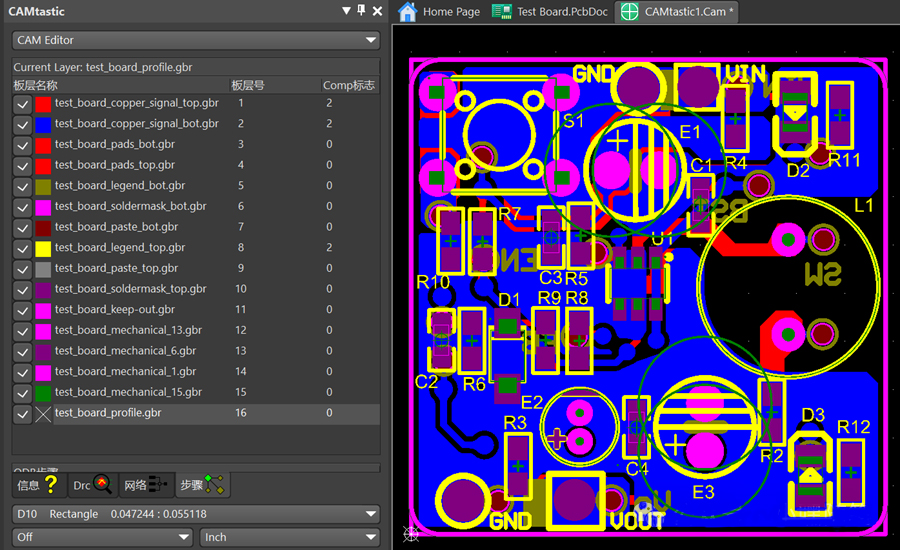
Gerber + NC Drill Files :
2. Gerber X2 files
Gerber X2 is an enhanced version of the traditional Gerber format. It improves data accuracy and reduces misinterpretation by adding metadata, making it more suitable for modern PCB design.
Benefits:
Enhanced metadata: Includes additional information such as layer names and comments to improve data clarity.
Backward compatibility: Compatible with older Gerber systems while providing new functionality.
Improved data handling: better suited to complex PCB designs with additional requirements.
Disadvantages:
Compatibility issues: Older systems may not fully support Gerber X2 and may require conversion or updates.
Application Preferences: Not widely adopted by all manufacturers, some may still prefer older formats.
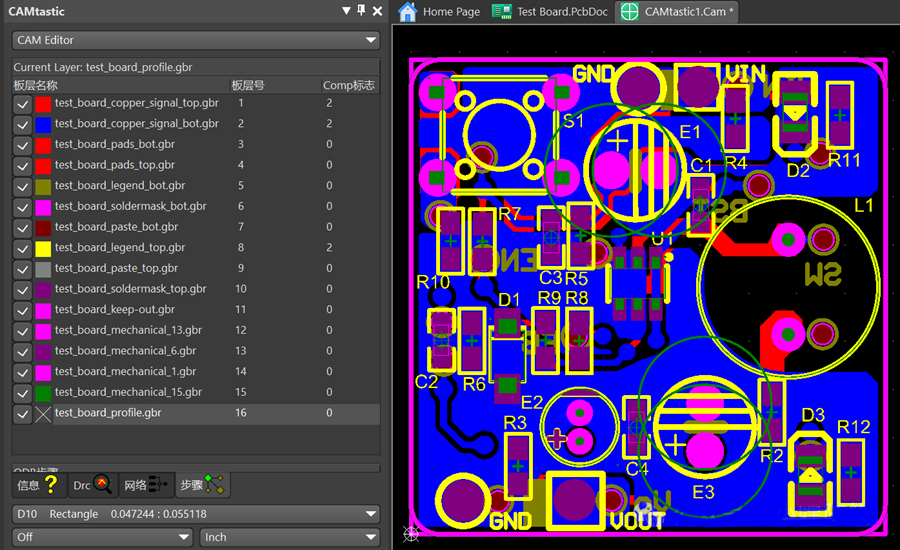
Gerber X2 Files:
3. ODB++ Files
ODB++ is a comprehensive file format developed by Valor (now part of Mentor Graphics). It combines detailed PCB design information into one file, including layers, component locations, and assembly instructions.
Advantages:
Comprehensive data: combines all necessary design and manufacturing information into one file.
Manufacturing process optimization: Smoother transition from design to manufacturing, reducing the need for additional clarification.
Advanced features: supports complex designs and enhances the level of automation in the manufacturing process.
Disadvantages:
Less common: ODB++ is less supported than Gerber files and may require additional tools or conversions.
ODB++ Files :

4. IPC-2581
Description: IPC-2581 is an open, neutral data format developed by IPC (Institute for Connecting Electronics Industries) to standardize PCB design and manufacturing data. It provides a comprehensive description of the PCB, including electrical, mechanical and manufacturing details.
Advantages:
Standardized: promotes consistency and compatibility between different design and manufacturing tools.
Comprehensive: Covers all aspects of PCB design, assembly and test.
Open format: encourages widespread adoption and integration in a variety of systems.
Disadvantages:

Adoption: relatively low adoption rates can lead to limitations in tool support.
Less common: IPC-2581 is less well supported than Gerber files, requiring additional tools or conversions.
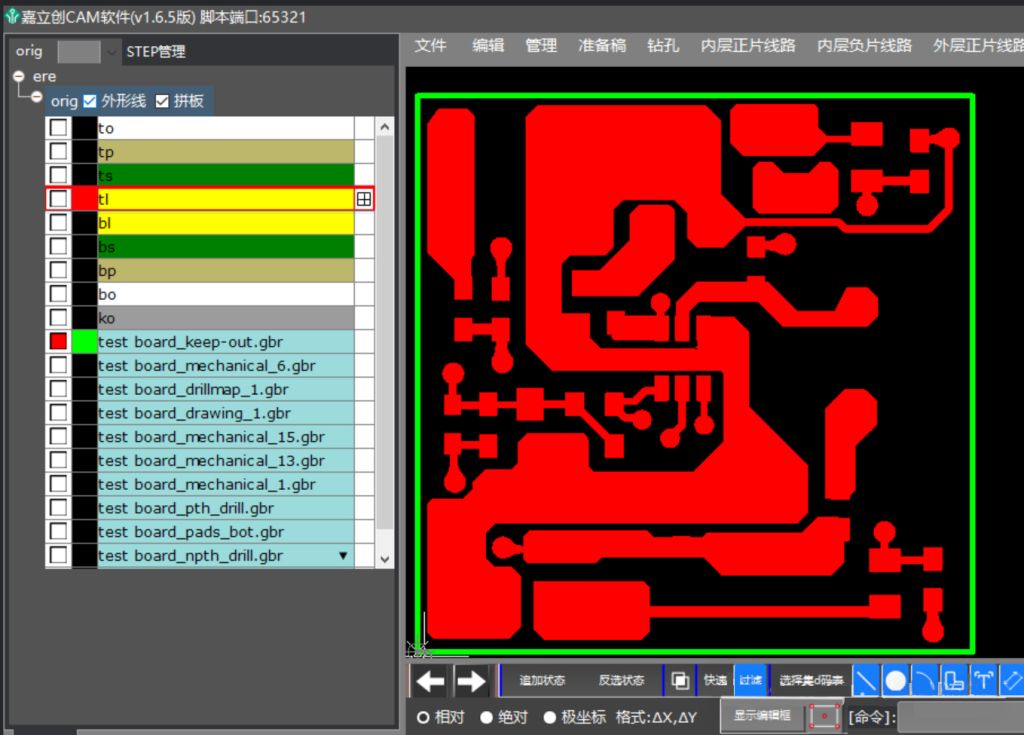
- JLC CAM software supports ODB++ file import.
- JLC CAM software supports Gerber & Gerber X2 file import: