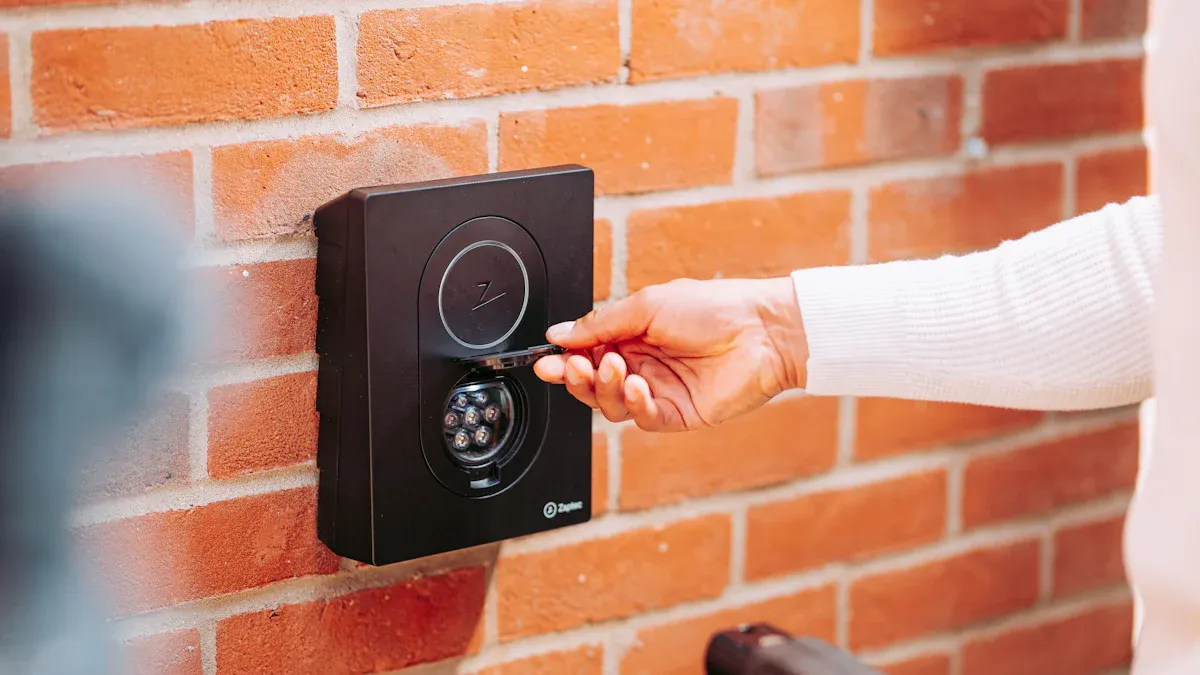
如何為現代應用設計RFID閱讀器

如何為現代應用設計RFID閱讀器
圖片來源: unsplash

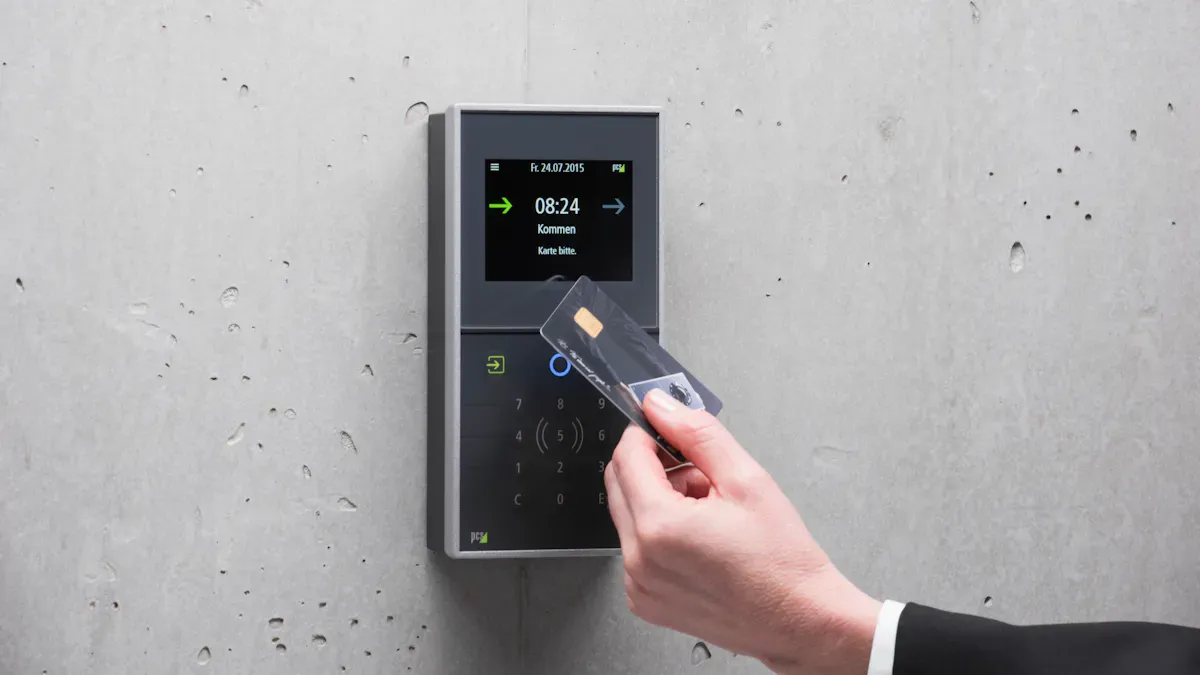
您可以 design an RFID reader for modern uses by matching your design to what you need. Pick the right frequency for your job. Think about security and where you will use it. Gate readers help data be more correct and faster in busy places. More than 65% of stores use RFID tags to check their items and fix stock mistakes by millions every year. The RFID system design changes with your use, so check the features in the table below.

頻率類型

用例

特徵:

低頻(LF)

Short-range applications

Good at going through materials

高頻(HF)

Payment systems, access control

Has a balance of range and speed

超高頻 (UHF)

Supply chain, inventory management

Reads from farther away, moves data faster

微波

遠端應用

Needs a clear path, can have problems with interference

The RFID market is growing quickly. It will reach 到30.47年將達到2034億美元.

關鍵要點

  • Pick the right RFID frequency for what you need. Low Frequency (LF) works for short distances. Ultra-High Frequency (UHF) is better for long distances.

  • Security is very important in RFID design. Use strong encryption and multi-factor authentication. This keeps data safe from unauthorized people.

  • Test your RFID reader in real places. Make sure it works well in different environments. This helps find problems like signal interference or tag placement.

  • 規劃未來 by choosing modular RFID readers. These can be easily upgraded and work with new technologies.

  • Regular maintenance is important. Check your RFID system every week. This keeps it working well and prevents data loss.

Design an RFID Reader: Use Case & Security

Design an RFID Reader: Use Case & Security
圖片來源: pexels

定義應用需求

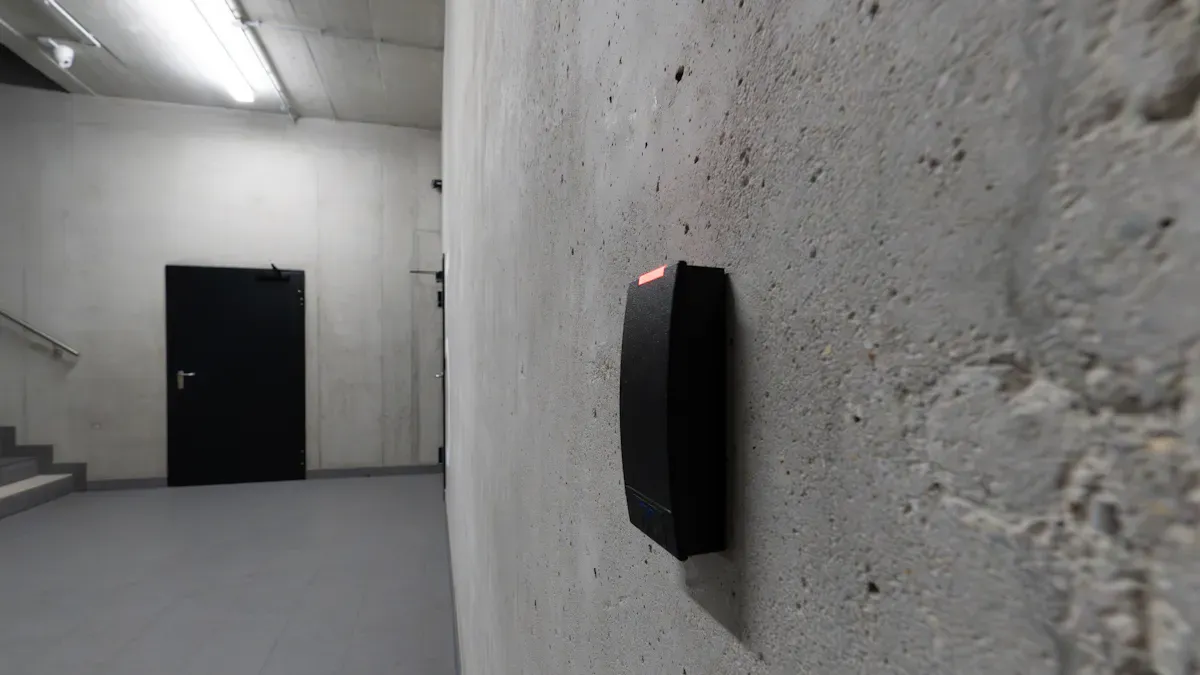
Before you design an RFID reader, you need to know your job. Different industries have different needs. In supply chain management, RFID helps track goods and manage inventory. In access control, RFID lets you control who enters and checks attendance. You might need a fixed reader at doors or a handheld reader for moving jobs.

  • In healthcare, RFID helps track patients and check medicine.

  • In retail, RFID makes inventory more accurate and lowers loss.

  • In transportation, RFID helps with tolls and fleet management.

You may face problems like signal interference, tough environments, and fast-moving items. Pick a reader that fits your job and works with your current systems. Matching the reader to your job makes things work better. For example, in retail, you can track inventory right away. This stops running out of stock and having too much. In healthcare, you can find equipment fast and keep patients safe. In logistics, you see shipments and make sure they arrive on time. In manufacturing, you watch materials and cut down mistakes.

Tip: Write down what your job needs. Think about where you will use the RFID reader, what you will track, and how fast you need data.

Security Features for RFID Reader

Security is very important when you design an RFID reader. You must keep data safe and stop people from getting in without permission. RFID systems can face problems like cloning, skimming, eavesdropping, and relay attacks. These can cause data leaks and identity theft. You need 強大的安全性 以保護您的系統。

  • Use strong encryption to keep data safe as it moves.

  • Add multi-factor authentication to check users before they enter.

  • Pick high-frequency cards for better anti-cloning protection.

  • Use anti-copying features to stop copying credentials.

  • Use RFID shielding to block bad signals.

  • Check your security often to find and fix weak spots.

安全功能

簡介

High-Frequency Cards

Work at 13.56 MHz and give strong anti-cloning protection.

加密

Use advanced encryption methods like AES and DES for secure data transmission.

Anti-Copying Capabilities

Stop unauthorized copying of RFID credentials in secure environments.

You should use safe ways to send data to stop eavesdropping. In places like government or banks, you need strict security rules. Use user authentication and contactless authentication to make sure only the right people get in.

Note: Always update your RFID systems to fight new security threats. This keeps your data and users safe.

When you design an RFID reader, you must balance job needs and security. This makes sure your RFID systems work well and stay safe.

RFID Technology Selection

UHF vs HF RFID

你必須 pick the best RFID for your job. UHF RFID can read tags from far away. It also sends data fast. This is good for tracking things in big warehouses. It works well on conveyor belts too. But UHF RFID has trouble with metal and water. Metal and water can block or bounce the radio waves. This can make the rfid reader miss some tags. Sometimes it gives wrong data. Some companies use special tags made for metal. They also use smart software to help in hard places.

HF RFID works better when things are close. It does not have as many problems with metal or water. You see HF RFID in payment systems a lot. It is also used for access control. HF RFID gives a good mix of speed and trust. If you need to read tags up close, HF RFID is a good pick. It also has fewer problems with interference. Think about where you will use RFID. Also, think about what you want to track before you choose.

Tip: Try your rfid reader in the real place first. This helps you see if UHF or HF RFID is better for you.

Antenna Design Choices

The antenna is a very important part of an rfid reader. It sends and gets signals from the tags. The kind of antenna you choose changes how well it works. You can pick microstrip, spiral, dipole, monopole, or loop antennas. Each one has good and bad points.

天線類型

優點

缺點

微帶線

Light, small, thin, cheap to make

Small bandwidth

螺旋

Small, very thin

Small bandwidth, less gain, not good near ground

偶極

Simple, works well

Needs space, can be turned wrong

單極

Easy to make, good for up and down signals

Needs ground, can be changed by things nearby

循環

Good near metal, good for short range

Not as strong, short range

How you design and place the antenna changes how far it can read. It also changes how well it works. If the antenna and tag are not lined up, it may not work. You can make it better by changing the angle, height, and direction. This is very important when things move fast, like on a belt. A good antenna setup helps your rfid reader work better. It also gives you better data.

Note: Always try different antennas and places before you finish your rfid reader.

RFID-RC522 and Mobile Applications

You might want to use your rfid reader in small devices. The RFID-RC522 module is a good choice for this. It works at 13.56 MHz and fits with many microcontrollers. You can use it for payments, smart locks, or school projects. The RC522 is small and does not use much power. It can connect in many ways.

規格

信息

頻率

13.56 MHz

工作電壓

2.5V - 3.3V

通訊協議

SPI, I2C, RS232 Serial UART

SPI Speed

高達10 Mbit / s

I2C Speed

Up to 400 kBd (Fast mode), 3400 kBd (High-Speed mode)

UART Speed

Up to 1228.8 kBd

範圍

2-5厘米

The RC522 can read and write data to RFID tags. You can connect it to your microcontroller with SPI, I2C, or UART. It can also send a signal when it finds a tag. This makes your rfid reader fast and flexible. Many people use the RC522 for mobile rfid projects. It is easy to use and fits in small spaces.

獨特之處

簡介

讀/寫能力

The RC522 can read and write data to RFID tags, so you can store new information.

交流方式

It works with SPI, I2C, and UART, so you can connect it in different ways.

Interrupt Generation

It can tell the microcontroller when it finds a tag, which helps it work faster.

If you want to make a mobile rfid reader, the RC522 is a good choice. It is easy to use and has many features. You can use it in smart homes or portable scanners.

Tip: Try the RC522 module for your next mobile rfid reader. It is easy to set up and works with many devices.

RFID Reader Integration & Compatibility

舊系統支援

When you add a new rfid reader to your business, you may face problems with old systems. Many legacy systems do not use standard data formats. This makes it hard for your new rfid reader to share data. Old systems may also have trouble handling the extra data that comes from rfid technology.

  • Legacy systems often use unique data formats, which can block smooth data exchange.

  • Older systems may not keep up with the higher data flow from modern rfid readers.

To solve these problems, you can follow a few steps:

  1. Audit your current setup. Find out what hardware and communication methods you use.

  2. Pick an rfid reader that supports many protocols and has a strong design.

  3. Use middleware. Middleware can change data formats and filter data so your old system can understand it.

  4. Test your new rfid reader in small steps. Start in a lab, then try a pilot run, and train your team.

A food distributor once added rfid readers to a system from 2003. They cut shipment mistakes by 90% and did not stop daily work. Careful planning and the right tools made this possible.

Tip: Always check your old systems before you add a new rfid reader. This helps you avoid problems and keeps your work running.

Interoperability & Universal Formats

You want your rfid reader to work with devices from different brands. This is called 互通性. Standards and protocols help make this possible. Here are some 重要的:

Standard/Protocol

簡介

ISO/IEC 標準

Sets rules for rfid frequencies and how they talk, so devices work together.

EPCglobal & GS1

Gives rules for tracking items in real time in supply chains.

FCC規定

Controls rfid use in the U.S. to stop signal problems.

ETSI Regulations

Controls rfid in Europe, like FCC does in the U.S.

NFC Forum Standards

Sets rules for contactless payments and mobile wallets.

EMVCo Standards

Makes sure rfid payment systems are safe and work together.

Even with these standards, you may still face issues. Different brands may use their own rules, which can cause problems. The lack of one universal standard can make it hard to use rfid across many industries and countries. This can raise costs and make things more complex.

中間件 can help. It takes data from different rfid readers and makes it all the same. Middleware also checks if your readers are working well. It controls how data moves between tags and readers, making sure your main system gets the right information.

  • Middleware lets you use rfid readers from many brands together.

  • It keeps your system healthy and your data correct.

  • Middleware helps your rfid reader fit into your business, even if you use many types of devices.

Note: Using middleware and following global standards helps your rfid reader work with more systems and keeps your data safe.

Compliance, Cost, and Scalability

Regulatory Standards for RFID

When you make an RFID reader, you have to follow rules. These rules keep your system safe and working in many places. Security standards help protect your data from bad people. You should use strong encryption and control who can use the reader. Different places have their own rules for RFID. You need to check these rules before you start your project.

監管標準

簡介

FCC

Makes rules for RFID in the United States. These rules stop signal problems and keep things safe.

CE

Shows RFID products are safe and good for health and the environment in Europe.

的ISO

Gives technical rules for RFID systems. These rules help you make readers that work well together.

Different places use different frequencies and power levels. You must follow these rules to avoid problems with control and safety.

地區

Frequency Band (MHz)

Transmission Power Limit (Watts)

關鍵應用

北美

902-928

<4

Retail, Transportation, Logistics

歐洲

865-868

<2

Manufacturing, Supply Chain Management

亞洲(中國)

920-925

不適用

Logistics, Transportation, Smart Cities

亞洲(日本)

916.7-923.5

不適用

Retail, Manufacturing, Transportation

Tip: Always look at local rules before you set up your RFID reader. This helps you avoid trouble and keeps your system safe.

總擁有成本

You need to think about all the costs when picking an RFID reader. Big projects cost a lot of money. You pay for tags, readers, and putting the system together. Security like encryption and access control can make it cost more. 小型企業 may find these costs hard to pay. Complicated systems can make setup and support cost more.

  • Stores and online shops use RFID to help with inventory and customers.

  • Delivery companies use RFID to track packages and offer smart services.

  • Hospitals use RFID to watch medicine and equipment.

You need to plan for setup, fixing, and support. If your IT is not strong, it can slow things down. You need to watch your spending and keep your system safe.

Note: Always look at the costs and what you get before picking an RFID reader. This helps you make good choices.

Scalability & Future-Proofing

You need to plan for growth when making your RFID reader. You should control how your system changes as you grow. Modular readers let you add new things without buying all new parts. You should use standard APIs and SDKs to connect with other systems. Middleware helps you bring data together and control how it moves. Updating firmware keeps your reader safe and ready for new tech. You should follow industry rules to avoid problems with special systems.

  • Connect with data platforms for real-time control.

  • Use middleware to link RFID with other systems.

  • Pick modular readers so you can upgrade easily.

  • Update firmware for better security and new features.

  • Follow industry rules for better control and working together.

Callout: Plan for the future and keep your RFID reader safe with updates and strong security. This helps your system stay ready for new things.

Environmental Considerations for RFID Reader

Environmental Considerations for RFID Reader
圖片來源: pexels

運行條件

You should look at the environment before installing an RFID reader. Hospitals, clinics, and warehouses can be tricky places. In healthcare, RFID helps watch vital signs and track patients. You must protect the reader from metal and water. These things block signals and make the system less reliable. You also need to think about temperature and humidity. Very hot or cold weather can hurt biomedical devices. High humidity can cause rust and affect patient care.

Here is a table that shows how different things in the environment change how RFID works:

環境因素

Impact on RFID Performance

電磁干擾

Stops signals from working right; nearby machines and radio waves can cause problems.

物理障礙

Metal and water block or soak up signals, making reading less accurate.

溫度和濕度

Extreme heat or cold can break parts; high humidity can rust tags and make them less reliable.

標籤放置和方向

If tags are not lined up or too far, signals get weak and reads fail.

Quality of RFID Tags

Different materials and strength change how well tags work; passive tags have trouble in tough places.

Pick the best RFID hardware for your healthcare jobs. Fixed readers are good for doors and entryways. Handheld readers help you move and check patient records. Integrated readers go inside medical tools and smart shelves. Plan where antennas go to stop blind spots and get better signals. Test and adjust your system often to keep it working well.

Tip: Always check for signal problems from metal or liquids. This keeps your RFID reader working right and reliable.

耐用性和性能

選擇 strong materials for RFID readers in hospitals and clinics. Tough cases protect the reader from dust, water, and shaking. Materials that resist rust help the reader last longer. Check how long biomedical RFID devices work to make sure they help patients over time.

Here are some ways to make RFID readers last longer and work better:

  • Use tags that resist metal with ferrite material to stop interference.

  • Move antennas and add more to cover all spaces.

  • Add shields to protect from electromagnetic interference.

  • Change reader power to read better without hurting other devices.

  • Test your system often to find and fix weak spots.

Check how well your RFID reader works by looking at read range, signal strength, and tag accuracy. Find places where the reader cannot see tags, called null zones. Weekly checks help keep patient records safe and watch vital signs. Look at cables and connectors to stop damage from dust or water. Make sure your biomedical system and backend stay matched with sync checks.

維護任務

簡介

讀取範圍

How far away tags can be read.

RSSI distribution

Checks signal strength in different places.

Null zones

Finds spots where tags cannot be read.

Polarization consistency

Makes sure antenna stays stable.

Tag encoding accuracy

Checks EPC numbers each week to stop mistakes.

Cable and connector integrity

Looks for damage from dust or water.

Synchronization checks

Makes sure systems stay matched to stop data loss.

環境影響評估

Checks if changes in the environment hurt performance.

Comprehensive system health audit

Includes stress tests and checks to keep the system reliable.

Note: Strong RFID readers help protect patient data and make healthcare better. You keep your biomedical system safe by checking performance and fixing problems early.

You need a complete approach when you design an RFID reader. This helps you balance what you need now with what you may need later. RFID readers give you real-time inventory, loss prevention, and fast warehouse automation. You can use these steps as a checklist:

  • 即時庫存管理 boosts accuracy.

  • Loss prevention reduces theft.

  • Warehouse automation speeds up order picking.

你可以從以下方面開始:

  1. Defining your use case.

  2. Checking your current systems.

  3. 選擇正確的技術。

  4. Making sure you follow all rules.

  5. Planning for growth.

If you want the best results, talk to experts or do a needs assessment.

常見問題

What is the main difference between HF and UHF RFID?

You use HF RFID for short-range tasks like payments. UHF RFID works for longer distances, such as tracking boxes in a warehouse. UHF reads faster but can have trouble near metal or water.

Can you use one RFID reader for all tag types?

No, you cannot use one reader for all tags. Each reader works with certain frequencies. You must match the reader to the tag type for the system to work.

How do you keep RFID data safe?

You protect RFID data with strong encryption and user checks. You should update your system often. Use shielding to block unwanted signals. Always follow security best practices.

What should you check before installing an RFID reader?

You should check the environment for metal, water, and interference. Test the reader in the real space. Make sure the reader fits your current system and follows local rules.

How often should you maintain your RFID reader?

You should check your RFID reader every week. Look for damage, test the read range, and update the software. Regular checks keep your system working well.

發表評論

您的電子郵件地址將不會被發表。 必填欄位已標記 *