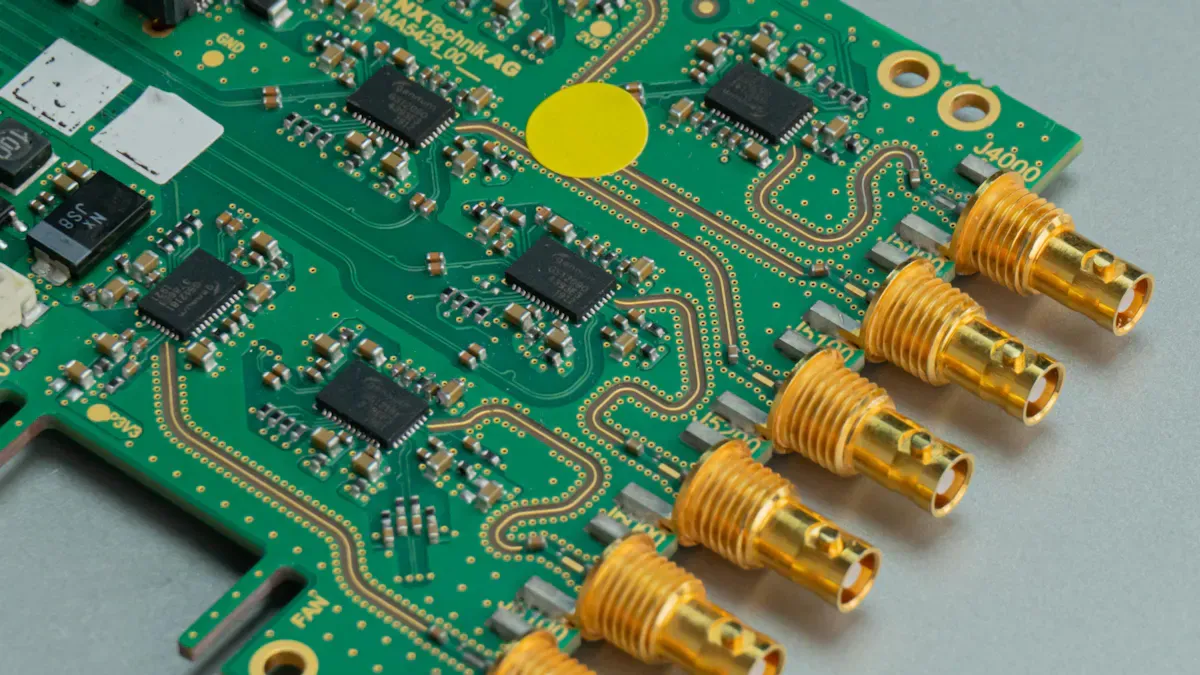
Você usa a tecnologia RFID todos os dias, muitas vezes sem perceber. Quando você aproxima um cartão para entrar em um prédio ou rastrear uma encomenda, os leitores RFID tornam isso possível. Esses dispositivos se tornaram ainda mais importantes à medida que o mercado continua crescendo.
O mercado global de leitores RFID UHF poderá atingir US$ 989.73 milhões em 2026.
Até 2035, espera-se que o mercado cresça para US$ 1634.94 milhões.
A taxa de crescimento anual situa-se em 5.8%.
É possível perceber que a tecnologia RFID desempenha um papel fundamental em diversos setores. Compreender como os leitores RFID são fabricados ajuda a valorizar a tecnologia por trás das atividades do dia a dia.
Principais lições
Os leitores RFID usam ondas de rádio para localizar e ler etiquetas. Isso ajuda a rastrear itens em diversos locais, como lojas, hospitais e centros de distribuição.
A escolha dos componentes certos , como antenas e chips, é importante. Isso ajuda os leitores RFID a funcionarem bem e a terem uma vida útil mais longa.
Um bom projeto e testes cuidadosos são necessários. Isso garante que os leitores RFID enviem sinais fortes e funcionem bem na prática.
A fabricação de leitores RFID envolve muitas etapas cuidadosas. Essas etapas incluem a fabricação de placas de circuito impresso (PCBs), a montagem dos componentes, a configuração e o controle de qualidade. Isso garante altos padrões de qualidade.
É importante corrigir problemas como interferência de sinal. Seguir as normas de segurança também contribui para que os leitores RFID sejam seguros, corretos e úteis.
O que são leitores RFID?
Os leitores RFID são dispositivos eletrônicos que ajudam a localizar e rastrear objetos usando ondas de rádio. Esses leitores são comuns em lojas e hospitais e são essenciais para o rastreamento e identificação de itens atualmente. Cada leitor possui um módulo de radiofrequência e um microprocessador. É possível conectá-lo a um sistema central. Esses leitores são usados para ativar etiquetas RFID e também para coletar e processar os dados dessas etiquetas.
Como funcionam os leitores RFID
Os leitores RFID conectam o mundo digital ao mundo real. Veja como funcionam:
Transmissão de sinal: O leitor emite ondas de rádio. Isso cria um campo eletromagnético.
Ativação da etiqueta: Uma etiqueta entra em campo. Ela recebe energia e ativa seu chip.
Resposta de dados: A etiqueta utiliza a energia. Ela envia os dados armazenados de volta para o leitor.
Recepção do sinal: O leitor recebe o sinal e decodifica a informação.
Processamento de dados: O leitor envia os dados decodificados. Eles são encaminhados para um sistema conectado para outras ações.
Dica: Os leitores RFID não precisam ver as etiquetas diretamente. Isso os torna mais fáceis de usar do que os leitores de código de barras.
Você usa leitores RFID quando encosta um cartão para entrar em um prédio. Você também os usa quando pega um livro emprestado na biblioteca. O leitor energiza o chip da etiqueta. Ele coleta os dados e os envia para um computador.
Aplicações comuns e importância
Os leitores RFID são úteis em diversos setores. Veja abaixo uma tabela com alguns usos comuns:
Expertise | Aplicação | Descrição |
|---|---|---|
Varejo | Monitora o estoque em tempo real. Impede a compra de grandes quantidades de estoque. | |
Logística | Controlo de Ativos | Fornece atualizações sobre contêineres e remessas. |
Assistência médica | Rastreamento de Equipamentos Médicos | Localiza os dispositivos. Garante que estejam prontos quando necessário. |
A tecnologia RFID auxilia nas cadeias de suprimentos. Os leitores fornecem atualizações sobre os produtos em tempo real, reduzindo erros e facilitando o gerenciamento de estoque. Na área da saúde, os leitores rastreiam equipamentos médicos e informações de pacientes. No varejo, eles previnem furtos e tornam a experiência de compra mais agradável. Os leitores RFID tornam o trabalho mais rápido, seguro e preciso.
Componentes e tecnologias de leitores RFID
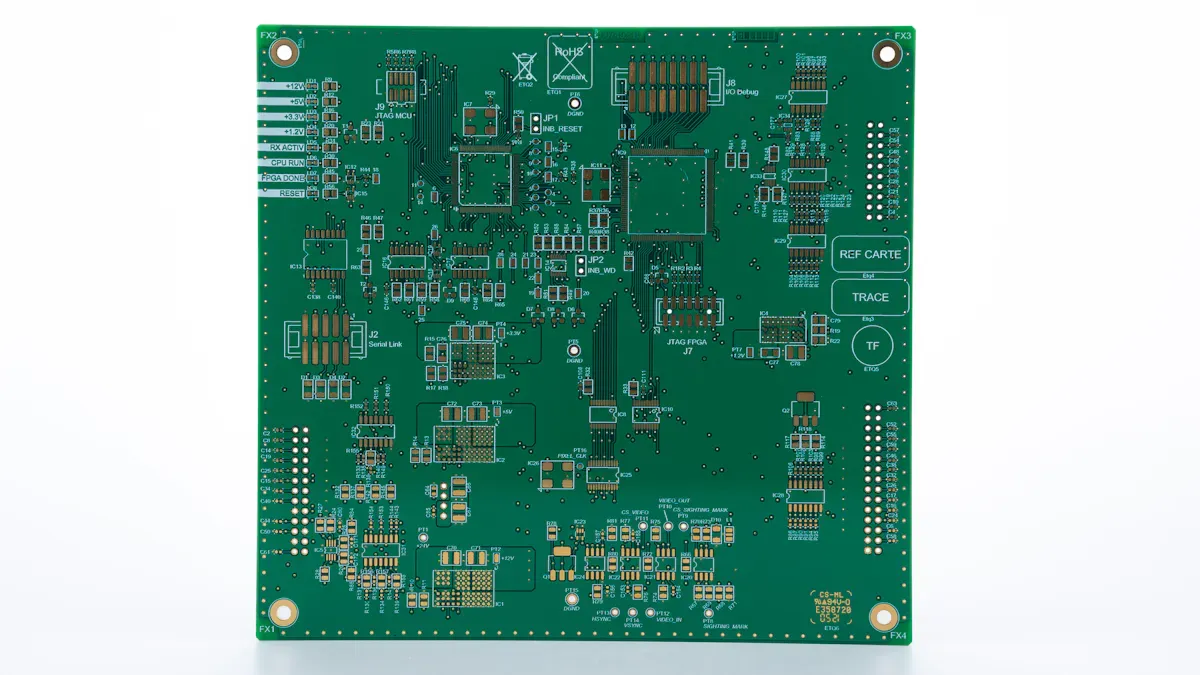
Você vê leitores RFID por toda parte, mas talvez não saiba como eles funcionam. Cada leitor possui diversas partes importantes. Essas partes ajudam o dispositivo a encontrar e ler as etiquetas RFID. Aqui está uma lista dos principais componentes :
Componente | Descrição | Impacto no Desempenho |
|---|---|---|
Etiquetas RFID | Composto por um microchip e uma antena. Armazena dados e comunica-se com o leitor. | Afeta a quantidade de dados que eles podem armazenar e a qualidade da comunicação. |
Leitores RFID | Enviar ondas de rádio para localizar e ler dados de etiquetas. | Determina a precisão com que o dispositivo lê as etiquetas. |
antenas | Auxilia no envio e recebimento de sinais de rádio. | Afeta o alcance do leitor e a eficácia do recurso. |
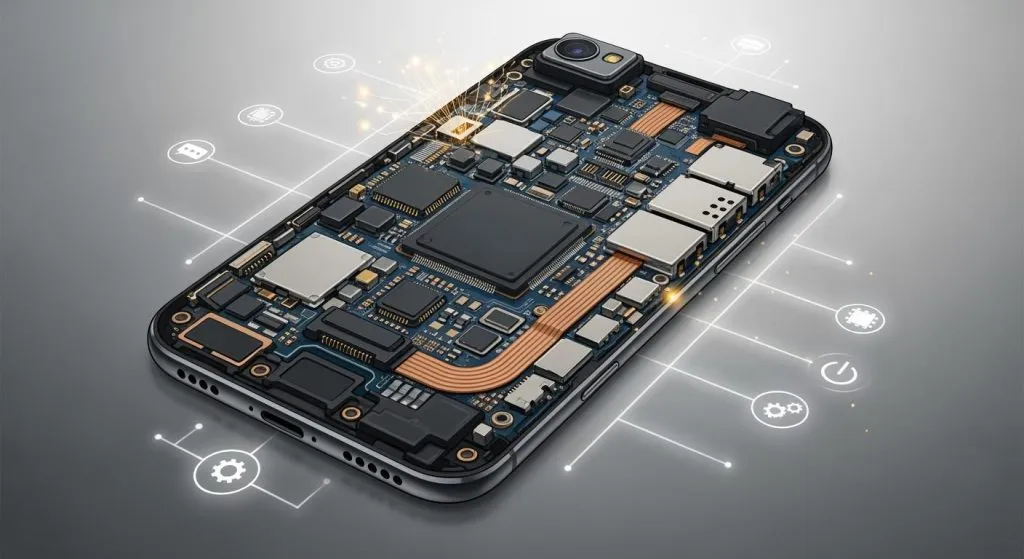
Os leitores RFID possuem componentes como um microcontrolador, um transceptor de RF, um processador de sinal, amplificadores de potência, antenas e sensores. Cada componente contribui para o melhor funcionamento do dispositivo. O microcontrolador controla o leitor. O transceptor de RF envia e recebe sinais. O processador de sinal auxilia na decodificação dos dados das etiquetas. Os amplificadores de potência amplificam os sinais. As antenas enviam e recebem ondas de rádio. Sensores e outros módulos adicionam funcionalidades extras.
Novas tecnologias aprimoram os leitores RFID. Semicondutores de banda larga ajudam a reduzir o tamanho dos sistemas de energia. Chips integrados de gerenciamento de energia economizam energia. A transferência de energia sem fio permite carregar dispositivos sem cabos. A captação de energia permite que os leitores obtenham energia do ambiente.
As etiquetas RFID também estão mudando. Etiquetas flexíveis podem ter sensores e baterias. Projetos de antena aprimorados melhoram o alcance das etiquetas e as tornam mais versáteis. Alguns sistemas RFID agora incluem sensores para rastrear ativos.
Você também se beneficia do gerenciamento de dados baseado em nuvem , que oferece atualizações em tempo real. As opções flexíveis de impressão permitem personalizar etiquetas para diferentes usos. Muitas empresas estão focadas em tornar a tecnologia RFID mais ecológica.
Dica: Ao escolher leitores RFID, verifique o design da antena e a qualidade do chip. Esses fatores afetam o alcance e a velocidade de leitura das etiquetas.
Projetando leitores RFID
O projeto de leitores RFID exige um bom planejamento. É preciso escolher os componentes certos, que devem funcionar bem em conjunto. Isso ajuda a criar leitores RFID duráveis e que funcionem bem em diversos locais.
Seleção de antenas, chips e substratos
Você começa escolhendo os componentes principais do seu leitor RFID. Cada componente altera o funcionamento do leitor. A tabela abaixo mostra o que verificar ao escolher antenas, chips e substratos:
Componente | Critérios |
|---|---|
Antena | Frequência de operação, alcance de leitura necessário, material do objeto, polarização |
Chip | Capacidade de memória, Capacidades de leitura/gravação, Recursos de segurança, Funções especiais |
Leitor | Potência de transmissão, ganho e direcionalidade da antena, fatores ambientais |
Responsabilidade | Temperaturas extremas, Umidade, Interferência eletromagnética, Estresse físico |
Você precisa sintonizar a antena na frequência correta. Algumas antenas funcionam melhor com objetos de metal ou plástico. O alcance de leitura depende da antena e de onde ela é usada. Ao escolher um chip, você verifica a quantidade de dados que ele pode armazenar. Você também verifica se ele consegue ler e gravar dados. Alguns chips possuem segurança extra ou recursos especiais para determinadas tarefas.
O substrato é a base para suas etiquetas RFID . Você pode usar plástico para etiquetas que dobram e papel para etiquetas descartáveis. O substrato escolhido influencia a resistência e a confiabilidade das suas etiquetas. Se você quer etiquetas duráveis em ambientes agressivos, precisa de uma base resistente. Essa escolha impacta diretamente o desempenho do seu sistema RFID na prática.
Nota: Escolher bons materiais e componentes ajuda seus leitores RFID a durarem mais e a funcionarem melhor.
Projeto e integração de circuitos
Depois de escolher os componentes, você projeta o circuito. Esta etapa garante que todas as peças funcionem em conjunto. Aqui estão os principais passos a seguir ao projetar um circuito:
Decida o que seu projeto precisa . Escolha aspectos como frequência e potência.
Escolha as ferramentas de software adequadas. Utilize um software de projeto de PCB que possa testar sinais de RF.
Desenhe o esquema do circuito. Faça um desenho detalhado com todos os componentes de RF.
Projete o layout. Transforme seu plano em um layout de PCB e siga boas práticas para as linhas.
Teste seu projeto com simulações. Certifique-se de que os sinais permaneçam fortes e nítidos.
Construa, teste e aprimore. Crie um protótipo, teste-o e corrija quaisquer problemas.
É fundamental garantir que todos os componentes funcionem em conjunto para obter o melhor sinal. Uma boa fonte de alimentação e um gerenciamento eficiente de energia são essenciais . Cada componente, como o microcontrolador, o transceptor de RF e o processador de sinal, necessita da alimentação adequada. Com um sistema de alimentação eficiente, o leitor funcionará melhor e terá uma vida útil mais longa.
Você pode usar novas tecnologias, como semicondutores de banda larga e chips de gerenciamento de energia. Isso ajuda seus leitores RFID a funcionarem melhor e a realizarem mais tarefas. Quando todas as peças estão bem conectadas, seu leitor consegue obter dados das etiquetas RFID rapidamente e enviá-los para outros sistemas.
Você também precisa pensar em como seu leitor se comunicará com outros dispositivos. O middleware pode ajudar, classificando e limpando os dados antes que sejam enviados para a nuvem ou outros locais. O processamento na borda permite que seu leitor tome decisões rápidas sem precisar enviar todos os dados para longe. Isso torna seu sistema RFID mais rápido e eficiente.
Dica: Um design cuidadoso e boas conexões ajudam a evitar problemas na hora de fabricar seus leitores e garantem que eles funcionem bem na vida real.
Fabricação de leitores RFID
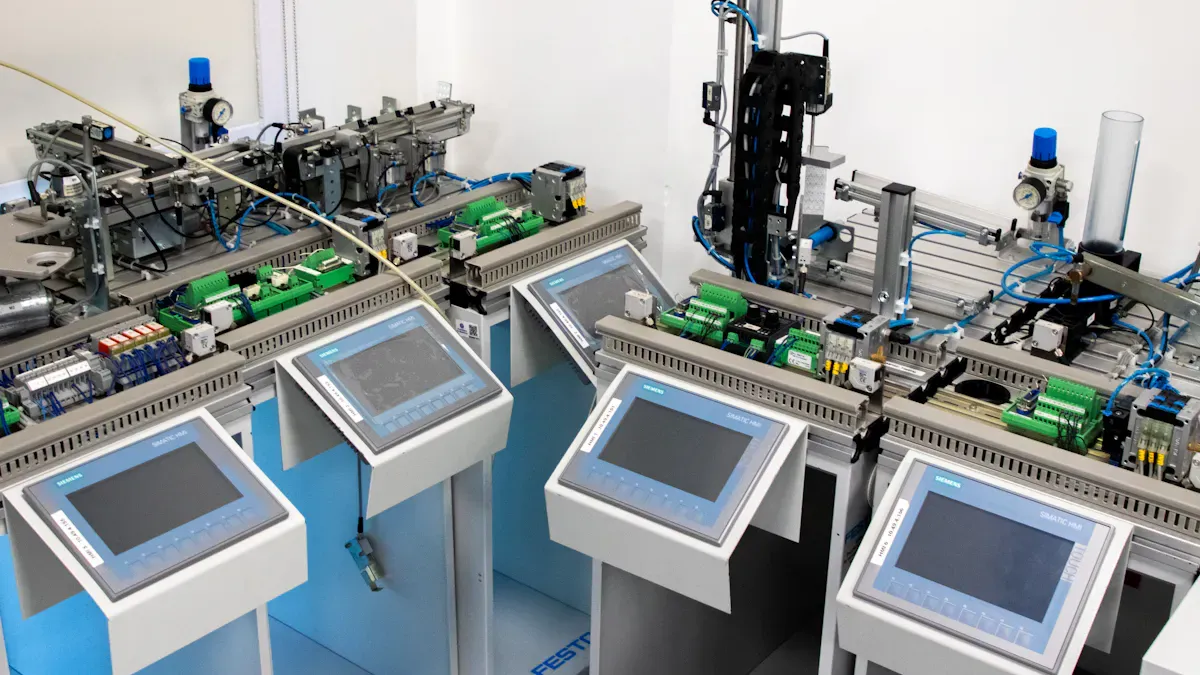
Você vê leitores RFID em muitos lugares, mas talvez não saiba como eles são fabricados . A fabricação de leitores RFID começa com o planejamento e termina com os produtos acabados. Há muitas etapas para garantir que os leitores funcionem bem e durem bastante tempo.
Etapas do projeto à produção
Primeiro, você precisa de um projeto. Os engenheiros planejam o leitor e escolhem o chip, a antena e outros componentes. Após o planejamento, inicia-se a fabricação do leitor. Aqui estão os principais passos:
Fabricação de PCB
Você constrói a placa de circuito impresso (PCB) para acomodar todos os componentes. Para RFID, você usa materiais e etapas especiais para manter os sinais fortes.Você escolhe materiais que evitam a perda de sinal e mantêm os sinais estáveis. Laminados como o Rogers 4350B e o Taconic RF-35 são bons para leitores RFID de alta frequência.
Você controla a impedância ao longo dos caminhos do sinal. Estruturas de microfita e regras rigorosas ajudam a evitar reflexões do sinal.
Verifique se o fabricante realiza limpeza a plasma e testes de choque térmico. Essas etapas ajudam a sua placa de circuito impresso a lidar com sinais de alta frequência.
Montagem
Você coloca o chip, a antena e outros componentes na placa de circuito impresso. As máquinas soldam os componentes no lugar.Você escaneia cada peça com etiquetas RFID para garantir que está usando as corretas. Essa etapa ajuda a evitar erros antes que eles aconteçam.
Você verifica os materiais para garantir que atendam às normas de qualidade.
calibragem
Você utiliza ferramentas de software para medir e ajustar sinais.Você define os pontos iniciais para o alcance de leitura e a intensidade do sinal.
Você segue as etapas de calibração do fabricante , que podem utilizar software específico.
Você realiza a calibração de acordo com um cronograma ou quando observa alterações nos números das etiquetas. Isso mantém seus leitores funcionando corretamente.
Testes
Você testa cada leitor para garantir que ele funcione.Você utiliza testes elétricos para verificar o funcionamento e a confiabilidade de cada placa de circuito impresso.
Você usa máquinas para realizar os testes. Leitores RFID localizam os produtos e vinculam os resultados dos testes à etiqueta RFID de cada produto. Isso cria um registro que pode ser rastreado.
A verificação de envio é feita utilizando leitores RFID na linha de embalagem. Esta etapa garante que os produtos correspondam aos documentos de envio.
Dica: É imprescindível testar cada leitor antes do envio. Isso ajuda a identificar problemas precocemente e garante o bom funcionamento dos produtos.
Processos especializados e controle de qualidade
Você utiliza etapas especiais para garantir o bom funcionamento dos seus leitores. Você se concentra em verificações de desempenho e qualidade de alta frequência.
Escolher os materiais certos é importante. Você escolhe materiais que evitam a perda de sinal e mantêm os sinais estáveis.
Controlar a impedância ajuda a evitar reflexões de sinal. Isso é feito usando estruturas de microfita e regras rígidas para a largura das trilhas.
Você verifica os materiais e os projetos para garantir bom desempenho e confiabilidade.
Você testa cada placa de circuito impresso com eletricidade para verificar se ela funciona corretamente.
O controle de qualidade é crucial na fabricação de leitores RFID. A tecnologia RFID é utilizada para rastrear peças e produtos. As peças são escaneadas durante a montagem para garantir a precisão. Máquinas são usadas para testar e vincular os resultados à etiqueta de cada produto. O envio é verificado para evitar erros.
Considerações ambientais
É preciso considerar o meio ambiente ao fabricar leitores RFID. A produção de etiquetas RFID utiliza silício extraído de areia de quartzo. A extração de metais como cobre e alumínio pode ser prejudicial ao meio ambiente. A fabricação de componentes plásticos contribui para as emissões de carbono. Leitores e sistemas RFID consomem eletricidade, o que afeta o meio ambiente. Etiquetas RFID com metal ou plástico podem se tornar lixo eletrônico e não se decompõem facilmente.
Nota: Você pode ajudar o meio ambiente reciclando etiquetas RFID e usando materiais ecológicos.
Gerenciando riscos da cadeia de suprimentos
Você usa RFID para rastrear o estoque em tempo real . Isso ajuda a monitorar peças e materiais importantes. O uso de máquinas para verificar e rastrear reduz erros. O RFID alerta os funcionários quando faltam peças, permitindo que resolvam problemas rapidamente e evitem atrasos.
Passo | O que você faz | Por que isso importa |
|---|---|---|
Fabricação de PCB | Utilize materiais e etapas especiais para RFID. | Mantém os sinais fortes e claros |
Montagem | Posicione e digitalize peças com etiquetas RFID. | Impede erros e mantém a qualidade. |
calibragem | Ajuste as configurações de sinal e defina os pontos de partida. | Mantém os leitores trabalhando corretamente. |
Testes | Teste cada leitor e vincule os resultados às etiquetas RFID. | Garante que os produtos funcionem e possam ser rastreados. |
Controle de qualidade | Verificar, confirmar e rastrear produtos | Mantém altos padrões |
Cuidado Ambiental | Utilize materiais ecológicos e recicle as etiquetas. | Ajuda o meio ambiente |
Uma torre de controle | Rastreie o estoque com a tecnologia RFID. | Impede atrasos e erros. |
Siga estes passos para garantir que seus leitores RFID funcionem bem e atendam a altos padrões. Planejamento cuidadoso, etapas especiais e rigorosos controles de qualidade ajudam você a fabricar produtos confiáveis.
Desafios na fabricação de leitores RFID
Superando desafios técnicos e materiais
Fabricar leitores RFID não é fácil . Interferências de sinal podem atrapalhar a comunicação entre as etiquetas e os leitores. Dispositivos como roteadores Wi-Fi e micro-ondas causam problemas. Marcas diferentes usam protocolos diferentes, então podem não funcionar juntos. Colisões de dados acontecem quando se tenta ler muitas etiquetas ao mesmo tempo, causando erros.
A miniaturização dos chips traz novos problemas. Chips pequenos podem não armazenar muitos dados ou ter um alcance muito grande. É preciso que o chip funcione bem mesmo sendo minúsculo. É necessário baixo consumo de energia, mas sem perder a intensidade ou o alcance do sinal. Manter os dados seguros e privados torna-se mais difícil à medida que os chips diminuem de tamanho.
Utilizar materiais e etapas avançadas aumenta o custo . A alta precisão pode reduzir a quantidade de chips bons produzidos e, consequentemente, elevar os custos. Pequenos erros na fabricação dos chips podem causar falhas. É preciso encontrar um equilíbrio entre custo e qualidade.
As limitações dos materiais também dificultam a miniaturização . A tabela abaixo mostra como os materiais alteram o tamanho e o desempenho:
evidência | Explicação |
|---|---|
Materiais cerâmicos de alto índice de refração tornam os chips menores, mas causam mais perdas e limitam a largura de banda. | Esses problemas podem prejudicar o funcionamento dos sistemas RFID e o alcance de sua leitura. |
Aumentar a constante dielétrica torna os ressonadores menores, mas mantém a frequência constante. | Isso leva a mais perdas, o que diminui o alcance de leitura da etiqueta. |
O limite de Chu-Harrington demonstra que as antenas só podem ficar tão pequenas até um certo ponto antes de perderem largura de banda. | Há limites para o quão pequenas as etiquetas RFID podem ser sem prejudicar o desempenho. |
É possível combater a interferência eletromagnética com alguns truques . Você escolhe frequências RFID que resistem à EMI, como os sistemas UHF. Você usa blindagem e capas especiais. Você encontra e remove as fontes de EMI. Você usa salto de frequência e filtra os dados. Você programa os leitores para funcionarem em horários diferentes. Você usa materiais de bloqueio e considera o uso de gaiolas de Faraday.
Garantir qualidade e conformidade consistentes.
É preciso seguir regras rigorosas para manter a alta qualidade. A tabela abaixo lista os padrões importantes para leitores RFID:
Tipo padrão | Descrição |
|---|---|
Certificação e Rotulagem | A marcação CE na Europa significa que o dispositivo cumpre as normas de saúde, segurança e meio ambiente. |
Gerenciamento de espectro | Nos Estados Unidos, a FCC (Comissão Federal de Comunicações) e, na Europa, a ETSI (Instituto Europeu de Testes e Inovação) estabelecem regras para o uso do espectro a fim de evitar interferências entre dispositivos. |
Padrões de segurança e qualidade do produto | Em muitos países, os leitores precisam passar por testes de segurança e desempenho antes de serem comercializados. |
Padrões ISO | A série ISO 18000 estabelece regras para a comunicação e o funcionamento dos leitores RFID. |
Diretrizes de Boas Práticas | A ISO oferece dicas para gerenciar sistemas RFID, tornando-os mais seguros e eficientes. |
Você verifica as regras e realiza auditorias para garantir que as esteja seguindo. Você instala avisos sobre o consentimento do usuário e a proteção de dados. Você verifica a conformidade com frequência. Você testa a segurança e o desempenho antes de vender seus leitores.
Você deve manter os dados privados e seguros. Você segue as melhores práticas para proteger dados e privacidade. Você utiliza protocolos robustos e testa seus sistemas com frequência. Você garante que seus leitores RFID atendam aos padrões internacionais e sejam compatíveis com outros sistemas.
Dica: Você pode aprimorar os leitores RFID seguindo regras e realizando auditorias. Isso ajuda a construir leitores confiáveis para diversas aplicações.
Projetar e fabricar leitores RFID exige um planejamento cuidadoso. É preciso escolher os componentes certos e verificar a qualidade com frequência. A tecnologia RFID funciona como os sentidos em sistemas modernos, ajudando a verificar informações automaticamente e a manter altos padrões de qualidade. É possível aprimorar os leitores utilizando etiquetas resistentes e evitando interferências.
Reduzir o tamanho das peças e usar novas antenas ajuda os leitores a trabalharem melhor. Isso também permite que eles realizem mais tarefas.
Você deve proteger os dados e manter as informações em sigilo. Isso mantém tudo seguro.
A tabela abaixo mostra como novas ideias ajudam os leitores RFID a terem sucesso no mercado:
Aspecto | Descrição |
|---|---|
Influência do mercado | Os novos designs tornam os leitores RFID mais rápidos e permitem a exibição de dados em tempo real. |
Borda competitiva | Preço, confiabilidade e capacidade de expansão são fatores importantes para o uso da tecnologia RFID. |
Impacto no setor | Ajuda a automatizar as cadeias de suprimentos e torna as cidades mais inteligentes. |
Perguntas frequentes
Como os leitores RFID se comunicam com as etiquetas?
Os leitores RFID enviam sinais de rádio para as etiquetas. As etiquetas são ativadas e enviam seus dados de volta. O leitor lê esses dados e os utiliza ou os salva.
Os leitores RFID conseguem funcionar através de obstáculos como metal ou plástico?
Sim, mas materiais como metal ou plástico podem enfraquecer os sinais. Um bom projeto de antena e a escolha da frequência correta ajudam os leitores a funcionar através de materiais resistentes.
Quais fatores afetam o alcance de leitura de um leitor RFID?
O tipo de antena, o nível de potência, o tipo de etiqueta e a área ao redor do leitor são fatores importantes. Componentes melhores e menos obstáculos ajudam o leitor a alcançar distâncias maiores.
Os leitores RFID são seguros para uso perto de pessoas?
Sim, os leitores RFID usam ondas de rádio fracas que não prejudicam as pessoas. Eles são seguros para uso em lojas, hospitais e outros locais.
Como posso melhorar a precisão da leitura de RFID?
Use boas antenas e etiquetas adequadas. Tente evitar interferências. Posicione o leitor em um local adequado e configure-o corretamente para obter melhores resultados.