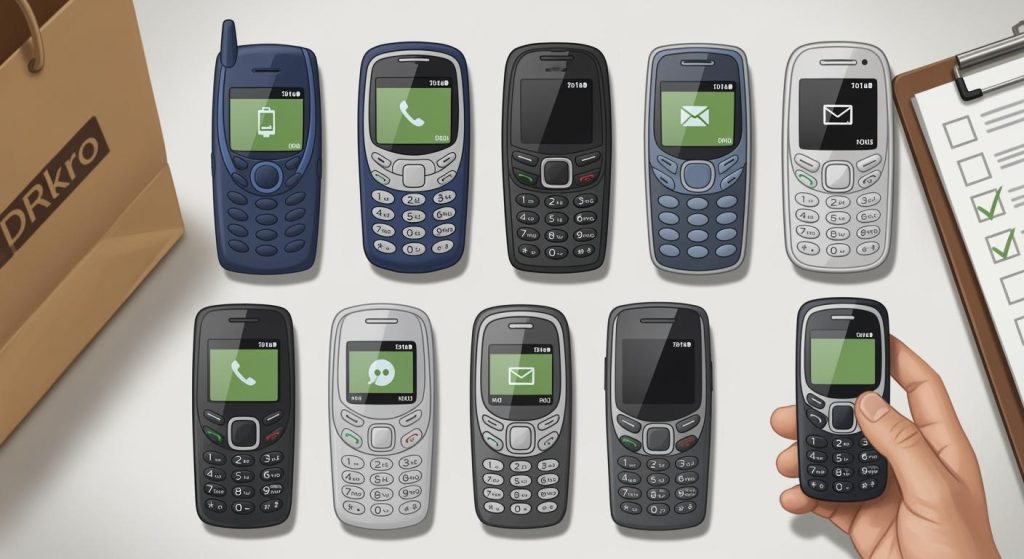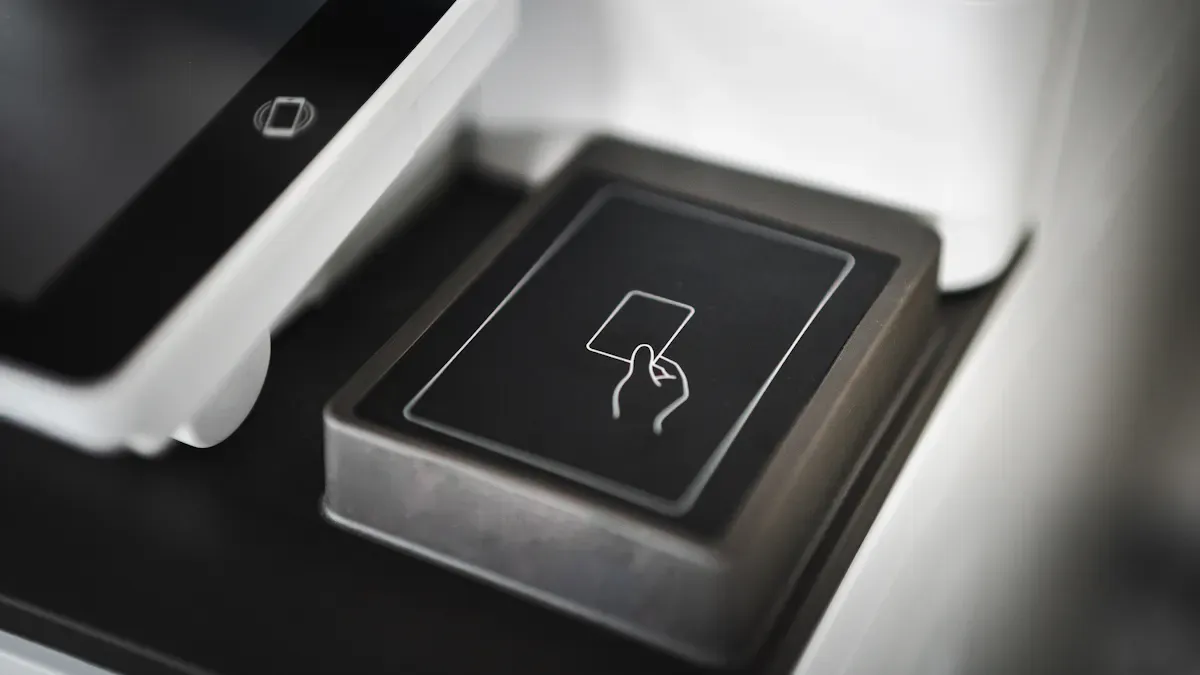
Você pode se perguntar qual é a melhor opção: leitores RFID portáteis ou fixos. Ambos os tipos têm seus pontos fortes e funcionam bem em diferentes situações. Os leitores RFID portáteis são muito flexíveis e têm um custo inicial menor . Isso os torna ótimos para trabalhos que variam bastante. Mas eles também têm algumas limitações, como alcances de leitura mais curtos e baterias com menor duração. Conhecer essas diferenças ajuda você a escolher o leitor certo para suas necessidades. Este artigo explicará como cada tipo funciona e ajudará você a escolher a melhor tecnologia RFID para o seu uso.
Principais lições
Os leitores RFID portáteis são fáceis de transportar e usar. São ideais para trabalhos que exigem deslocamento. Podem ser utilizados para verificar o estoque em diferentes locais.
Os leitores RFID fixos escaneiam muitos itens muito rapidamente. Funcionam bem em grandes espaços, como armazéns e fábricas.
Pense em quanto dinheiro você tem. Leitores portáteis custam menos inicialmente. Leitores fixos podem gerar economia a longo prazo, pois funcionam mais rapidamente.
Escolha o leitor que melhor se adapta ao seu espaço. Os leitores portáteis podem ser usados de diversas maneiras. Os leitores fixos são feitos para locais difíceis ou irregulares.
Utilizar ambos os tipos de leitores RFID pode ajudar a rastrear objetos com mais eficiência. Você pode realizar verificações minuciosas e monitorar itens o tempo todo.
Leitores RFID portáteis versus leitores RFID fixos

O que são leitores RFID portáteis?
Leitores RFID portáteis são ideais para quando você precisa se movimentar e escanear objetos em diferentes locais. Esses dispositivos são pequenos e funcionam com baterias. Você pode levá-los para prateleiras, caixas ou carros. A maioria dos leitores RFID portáteis possui uma tela e botões. Você pode visualizar as informações imediatamente. Basta pressionar um botão para escanear as etiquetas. O dispositivo lê os dados de cada etiqueta próxima. Isso torna os leitores RFID portáteis excelentes para tarefas como verificar estoque, rastrear ativos ou encontrar itens perdidos. Você pode usá-los em lojas, hospitais ou pequenos armazéns. Eles são projetados para serem confortáveis e fáceis de usar. Você pode trabalhar por horas sem se cansar.
O que são leitores RFID fixos?
Os leitores RFID fixos permanecem em um só lugar e funcionam o tempo todo. Você pode instalá-los em paredes, tetos ou portas. Esses leitores são conectados à energia, então você não precisa se preocupar com baterias. Os leitores RFID fixos emitem ondas de rádio através de antenas. Quando uma etiqueta RFID se aproxima, o leitor a ativa. A etiqueta envia suas informações de volta e o leitor as coleta. Você não precisa ver ou tocar a etiqueta. Os leitores RFID fixos podem usar mais antenas para cobrir espaços maiores ou áreas específicas. Eles funcionam bem em fábricas, docas de carga ou grandes armazéns. Você pode confiar neles para escanear várias etiquetas simultaneamente. Eles continuam funcionando mesmo em locais de difícil acesso.
Dica: Leitores RFID fixos conseguem processar grandes quantidades de dados rapidamente e não precisam de supervisão constante.
Diferenças Chaves
Existem algumas diferenças importantes entre leitores RFID portáteis e leitores RFID fixos. A tabela abaixo mostra como eles não são iguais:
Característica | Leitores portáteis de RFID | Leitores RFID fixos |
|---|---|---|
Fonte de energia | Alimentado por bateria, com ênfase na mobilidade. | Com fio, conectado à energia constante. |
Para fornecer mobilidade com contentor (certificado SOC) | Portátil, projetado para uso do operador. | Estacionário, montado permanentemente |
Método de digitalização | Digitalização sob demanda por operadores | Varredura contínua dentro de zonas definidas |
Global | Variável, dependente do movimento do operador | Cobertura fixa, ajustável para áreas específicas. |
Produtividade | Suporta cargas menores, pode apresentar dificuldades em áreas densas. | Otimizado para alto rendimento, processando muitas etiquetas por segundo. |
Complexidade de instalação | Configuração mínima, plug-and-play | Requer planejamento, montagem e fiação. |
Flexibilidade | Altamente adaptável, pode ser usado em diversos locais. | Rígido, fixo após a instalação. |
Custo | Menor custo inicial, custos contínuos de bateria e manutenção. | Custo inicial mais elevado, baixo custo marginal por leitura após a entrada em operação. |
Leitores RFID portáteis são ideais quando você precisa se movimentar e configurar rapidamente . Você pode levá-los para diferentes locais e escanear apenas o que deseja. Leitores RFID fixos são mais indicados quando você precisa escanear muitos itens o tempo todo. Eles cobrem áreas maiores e não precisam de alguém para segurá-los. Leitores RFID portáteis são projetados para conforto e facilidade de uso. Leitores RFID fixos são projetados para potência e velocidade.
Você também usa cada tipo em locais diferentes. Leitores RFID portáteis são ideais para lojas ou clínicas onde é preciso se movimentar. Leitores RFID fixos são mais adequados para fábricas ou centros de distribuição onde é necessário um escaneamento robusto e estável. Leitores RFID fixos suportam condições adversas como poeira e calor . Eles possuem gabinetes resistentes e recursos especiais.
Observação: Se você precisar escanear muitos itens rapidamente e não quiser segurar um dispositivo, um leitor RFID fixo é a melhor opção.
Leitores portáteis de RFID
Como funcionam os leitores RFID portáteis
Você usa leitores RFID portáteis para escanear etiquetas em diversos locais. Esses dispositivos são pequenos e funcionam com baterias. Você pode levá-los até prateleiras, caixas ou carros. Basta pressionar um botão para iniciar a leitura. O dispositivo encontra etiquetas próximas e exibe os dados na tela. Você escolhe quando e onde escanear. Isso lhe dá mais opções no seu trabalho.
Os leitores RFID portáteis são fáceis de configurar e podem ser usados imediatamente. Não é necessário instalar fios ou montar nada. Você pode usar leitores RFID portáteis para encontrar objetos perdidos. Se você perder algo, pode usar o modo "contador Geiger". Esse modo ajuda a localizar o objeto com precisão. Você economiza tempo e energia ao usar um leitor RFID portátil para encontrar coisas.
Você pode andar por aí com leitores RFID portáteis.
Você examina as coisas manualmente, para poder se concentrar no que importa.
Você não precisa de máquinas grandes nem de muitos equipamentos.
Dica: Leitores RFID portáteis são ideais para tarefas que envolvem mudanças frequentes ou que exigem ação rápida.
Prós e Contras
É importante conhecer os pontos positivos e negativos dos leitores RFID portáteis antes de escolhê-los para o seu trabalho. A tabela abaixo mostra os principais pontos positivos e negativos :
Vantagens | Desvantagens |
|---|---|
Flexibilidade e Mobilidade | Trabalho intensivo |
Investimento inicial mais baixo | Rendimento limitado |
Casos de uso versáteis | Vida útil e durabilidade da bateria |
De Controle do Usuário | |
Implantação mais fácil |
Os leitores RFID portáteis têm um custo inicial menor. Podem ser usados em diversos locais, como lojas, hospitais ou centros de distribuição. Você controla o momento da leitura, podendo escolher o que verificar. Começar a usar leitores RFID portáteis é rápido e fácil.
Existem também alguns problemas. Você precisa escanear cada item manualmente, o que leva mais tempo. O dispositivo pode não escanear muitas etiquetas tão rapidamente quanto leitores fixos. A bateria pode acabar e interromper seu trabalho. Você deve verificar se o seu leitor RFID portátil é potente o suficiente para tarefas exigentes.
Observação: Leitores RFID portáteis oferecem mais opções, mas podem exigir mais trabalho e apresentar velocidades mais lentas e limitações de bateria.
Visão geral do leitor RFID fixo
Como funcionam os leitores RFID fixos
Você usa um leitor RFID fixo quando deseja escanear vários itens em uma área delimitada sem precisar mover o dispositivo. O leitor RFID fixo é montado em uma parede, teto ou ponto de entrada. Ele se conecta a uma fonte de energia, eliminando a preocupação com a bateria. O leitor RFID fixo emite ondas de rádio através de antenas. Quando uma etiqueta RFID entra na área, o leitor a energiza e coleta seus dados. Você não precisa segurar o dispositivo nem pressionar nenhum botão.
Um leitor RFID fixo pode cobrir grandes áreas. Em um armazém, você pode instalar um leitor RFID fixo para escanear itens à medida que passam por portas ou ao longo de esteiras transportadoras. Você também pode usar mais de uma antena para aumentar a cobertura. Essa configuração ajuda a rastrear vários itens simultaneamente.
Dica: Leitores RFID fixos funcionam melhor em locais onde é necessário escanear muitas etiquetas rapidamente e sem ajuda humana.
Prós e Contras
É importante conhecer os principais pontos fortes e fracos de um leitor RFID fixo antes de escolher um. A tabela abaixo mostra os pontos-chave:
Vantagens | Desvantagens |
|---|---|
Longo alcance de leitura (20 a 100 metros) | Custo inicial mais alto |
Lê várias etiquetas ao mesmo tempo | Necessita de instalação profissional |
Alta precisão para digitalização em massa | Não portátil |
Funciona 24 horas por dia, 7 dias por semana, sem intervenção do usuário. | Local fixo |
Ideal para espaços amplos. | Pode ser necessário adicionar mais antenas para melhorar a cobertura. |
Um leitor RFID fixo oferece alto desempenho . Você pode ler centenas ou milhares de etiquetas em segundos. Por exemplo, alguns modelos podem escanear até 1300 etiquetas por segundo. Você obtém alta precisão quando precisa coletar dados de muitos itens simultaneamente. Isso torna os leitores RFID fixos perfeitos para logística, triagem e controle de estoque em grandes armazéns.
Você não precisa mover o leitor RFID fixo, economizando tempo e esforço. Além disso, obtém resultados confiáveis, pois o dispositivo funciona o tempo todo. No entanto, o investimento inicial é maior e exige planejamento de instalação. A dificuldade em mover o leitor RFID fixo caso suas necessidades mudem também contribui para essa situação.
Leitores RFID fixos são ideais para grandes espaços e coleta de dados em massa.
Você obtém uma digitalização rápida e sem usar as mãos com um leitor RFID fixo.
Você precisa considerar o custo e a instalação antes de escolher essa opção.
Observação: Se você deseja escanear muitos itens em uma área grande com alta velocidade e precisão, um leitor RFID fixo é uma escolha inteligente.
Comparação de desempenho
Alcance e cobertura de leitura
É possível observar uma grande diferença no alcance de leitura entre leitores RFID portáteis e fixos . Os dispositivos portáteis geralmente escaneiam etiquetas a curta distância, muitas vezes até 10 metros. Você caminha pelo local e aponta o leitor para os itens. Isso funciona bem para espaços pequenos ou quando você precisa verificar itens específicos. Os leitores RFID fixos cobrem áreas muito maiores. Você os instala em um ponto fixo e eles escaneiam etiquetas a uma distância de 20 a 100 metros. Você pode usar várias antenas para aumentar a cobertura. Essa configuração ajuda a rastrear itens enquanto eles passam por portas ou ao longo de esteiras transportadoras. Você obtém uma cobertura confiável em grandes armazéns ou fábricas.
Dica: Se você precisar escanear itens em uma área ampla sem se mover, os leitores RFID fixos oferecem a melhor cobertura.
Velocidade e Eficiência
Velocidade é fundamental quando você precisa escanear muitos itens rapidamente. Leitores portáteis permitem escanear etiquetas individualmente ou em pequenos grupos. Você controla o processo, mas pode gastar mais tempo escaneando cada item. Leitores RFID fixos escaneiam centenas ou milhares de etiquetas em segundos. Você não precisa pressionar botões nem mover o dispositivo. O sistema funciona ininterruptamente e lida com grandes volumes. Você economiza tempo e reduz erros em ambientes movimentados.
Tipo de Leitor | Etiquetas escaneadas por segundo | Ação do usuário necessária |
|---|---|---|
Portátil | 10-50 | Sim |
Fixo | Até 1300 | Não |
Você obtém maior eficiência com leitores RFID fixos em locais com muitos itens.
Precisão e confiabilidade
Você precisa de dados precisos para o rastreamento do seu inventário ou ativos. Leitores portáteis oferecem controle, permitindo que você se concentre em itens específicos. Você pode perder etiquetas se a leitura for muito rápida ou se elas estiverem escondidas. Leitores RFID fixos fornecem resultados consistentes. Eles leem todas as etiquetas em sua área de cobertura, mesmo que você não as veja. Você obtém dados confiáveis para grandes estoques. Leitores RFID fixos funcionam 24 horas por dia, 7 dias por semana, e não dependem da ação do usuário. Você reduz erros e melhora o rastreamento.
Observação: Os leitores RFID fixos oferecem alta confiabilidade para leituras em massa, enquanto os leitores portáteis proporcionam flexibilidade para verificações direcionadas.
Custo e Manutenção
Investimento inicial
Ao escolher entre leitores RFID portáteis e fixos, considere o custo inicial. Os leitores RFID portáteis são mais baratos inicialmente. Você pode comprar alguns e usá-los imediatamente. Não é necessário instalar fios ou suportes especiais. Isso os torna ideais para pequenas empresas ou projetos de curta duração. Você pode usar leitores portáteis para diversas tarefas, como:
Rastreamento de ativos em locais de difícil acesso
Verificar o estoque nas lojas
Conferir as mercadorias que entram e saem.
Gerenciar coisas fora ou dentro do campo
Rastreamento de equipamentos hospitalares
Controle de acesso em eventos
Combater produtos falsificados
Os leitores RFID fixos têm um custo inicial mais elevado. O pagamento inclui o leitor, as antenas e a instalação. Por vezes, a instalação requer especialistas. Os leitores fixos são ideais para a leitura contínua de grandes quantidades de itens. Podem ser utilizados em grandes armazéns, para o rastreamento de remessas, em lojas e fábricas inteligentes.
Tipo de Leitor | Custo inicial típico | Instalação necessária | Mais Adequada Para |
|---|---|---|---|
Portátil | Abaixe | Não | Operações flexíveis, móveis e de pequena escala |
Fixo | Mais elevado | Sim |
Dica: Se você quer gastar menos inicialmente ou precisa se locomover, os leitores portáteis ajudam a economizar dinheiro.
Os custos em curso
Você também precisa considerar os custos após a compra dos leitores. Leitores RFID portáteis usam baterias e podem quebrar se caírem. Você pode gastar mais com treinamento, pois as pessoas os utilizam manualmente. Leitores RFID fixos são alimentados por tomadas, não por baterias. Eles funcionam dia e noite com pouca necessidade de manutenção. Você pode ter custos com atualizações de software ou reparos, mas geralmente esses valores não são muito altos ao longo do tempo.
Os leitores fixos exigem menos trabalho dos funcionários, pois fazem a leitura automaticamente. Isso gera economia para lojas ou armazéns grandes. Já os leitores portáteis exigem que os funcionários se desloquem até o local para fazer a leitura, o que pode aumentar os custos com mão de obra.
Fator de Custo | Leitores portáteis de RFID | Leitores RFID fixos |
|---|---|---|
Sim | Não | |
Moderado (devido à mobilidade) | Baixo a moderado | |
Trabalho | Superior (operação manual) | Inferior (digitalização automatizada) |
Atualizações de software | Às vezes necessário | Às vezes necessário |
Observação: Considere tanto o preço inicial quanto o que você pagará posteriormente. Leitores fixos custam mais no começo, mas podem gerar economia se você digitalizar muitos itens com frequência.
Casos de uso para leitores RFID portáteis e fixos

Quando usar leitores RFID portáteis
Você deve optar por leitores RFID portáteis quando precisar se movimentar e escanear itens em diferentes locais. Esses dispositivos são ideais para verificações de estoque em pequenas lojas, bibliotecas ou hospitais. Você pode usá-los para encontrar ferramentas ou equipamentos perdidos. Se precisar escanear itens em prateleiras, caixas ou até mesmo em veículos, os leitores RFID portáteis oferecem a liberdade de ir aonde você precisar.
Você também pode usar esses leitores para auditorias rápidas ou verificações pontuais. Eles são úteis quando seu trabalho muda com frequência ou quando você precisa escanear itens em locais de difícil acesso. Se você trabalha ao ar livre ou em locais com poeira e água, escolha leitores com altos índices de proteção, como IP67 ou IP68 . Isso mantém seu dispositivo seguro e funcionando corretamente.
Dica: Leitores RFID portáteis são ótimos para trabalhos que exigem flexibilidade e ação rápida.
Quando usar leitores RFID fixos
Você deve usar leitores RFID fixos quando precisar rastrear muitos itens enquanto eles se movem por uma área definida. Esses leitores funcionam melhor em grandes armazéns, fábricas ou centros de distribuição. Você pode instalá-los em portas, docas de carga ou ao longo de esteiras transportadoras. Essa configuração permite que você escaneie centenas ou milhares de etiquetas sem interromper o trabalho.
Leitores RFID fixos ajudam você a obter dados em tempo real. Você não precisa segurar o dispositivo nem pressionar botões. Esses leitores funcionam dia e noite, para que você sempre saiba onde seus itens estão. Se o seu local de trabalho possui prateleiras de metal, líquidos ou sinais fortes, você precisa de leitores robustos que suportem condições adversas. Procure dispositivos com forte proteção e boa compatibilidade com seus sistemas.
Nota: Leitores RFID fixos são a melhor opção para rastreamento de alto volume e sem o uso das mãos em ambientes movimentados ou adversos.
Caso de uso | Leitores portáteis de RFID | Leitores RFID fixos |
|---|---|---|
Verificações pontuais de estoque | ✅ | |
Rastreamento de ativos em campo | ✅ | |
Digitalização em massa no cais | ✅ | |
Rastreamento automatizado 24 horas por dia, 7 dias por semana | ✅ | |
Tarefas flexíveis e móveis | ✅ |
Escolhendo o leitor RFID certo
Necessidades de aplicação
Você deve começar pensando no que deseja fazer com a tecnologia RFID . As necessidades da sua aplicação guiarão sua escolha. Se você precisa escanear itens em vários locais, precisará de um dispositivo que possa ser transportado. Leitores RFID portáteis são ideais para tarefas como inventário, rastreamento de ativos e busca por itens perdidos. Você pode usá-los em lojas, hospitais ou até mesmo em ambientes externos. Esses leitores permitem que você controle o que escaneia e quando escaneia.
Se você precisa rastrear muitos itens enquanto eles se movem por uma área fixa, deve considerar os leitores fixos. Esses dispositivos escaneiam etiquetas 24 horas por dia, 7 dias por semana, sem intervenção humana. Eles podem ser usados em armazéns, fábricas ou centros de distribuição. Os leitores fixos são ideais para trabalhos de alto volume e rastreamento automatizado.
Dica: Anote suas principais tarefas. Associe cada tarefa ao tipo de leitor mais adequado.
Orçamento e Meio Ambiente
Você também precisa considerar seu orçamento. Leitores RFID portáteis têm um custo inicial menor. Você pode comprar um ou dois e usá-los imediatamente. Isso os torna uma escolha inteligente para pequenas empresas ou projetos de curta duração. Leitores fixos têm um custo de aquisição e instalação mais elevado. Pode ser necessário pagar pela instalação e por antenas extras. Esses leitores, no entanto, representam uma economia a longo prazo se você escanear muitos itens diariamente.
Seu ambiente de trabalho também importa. Se você trabalha em um local com poeira, água ou manuseio brusco, escolha um leitor que suporte condições adversas. Alguns leitores RFID portáteis possuem carcaças resistentes e altos níveis de proteção. Os leitores fixos geralmente vêm com designs robustos para uso em fábricas ou ambientes externos.
Aqui está uma tabela rápida para ajudar você a comparar:
Fator | Leitores portáteis de RFID | Leitores RFID fixos |
|---|---|---|
Custo inicial | Abaixe | Mais elevado |
instalação | Transferências | Necessita de planejamento |
Mais Adequada Para | trabalhos de pequeno/médio porte | Grandes operações em andamento |
Meio Ambiente | Flexível, móvel | Fixo, pode ser resistente |
Manutenção e Suporte
Antes de escolher seu leitor RFID, planeje a manutenção e o suporte. Leitores RFID portáteis precisam de troca de bateria e podem necessitar de reparos em caso de queda. Você precisará treinar sua equipe para utilizá-los corretamente. Leitores fixos exigem menos manutenção, mas você pode precisar de ajuda com atualizações de software ou reparos. Um bom suporte do seu fornecedor pode economizar tempo e evitar problemas.
Observação: Sempre pergunte sobre a garantia e o suporte antes de comprar. Um bom suporte pode manter seu sistema funcionando sem problemas.
Lista de verificação rápida para escolha
Liste suas principais tarefas e onde você usará o leitor.
Decida quanto você pode gastar agora e quanto pode gastar mais tarde.
Verifique se o seu local de trabalho precisa de óculos de leitura robustos ou especiais.
Informe-se sobre treinamento, suporte e garantia.
Se possível, teste o leitor antes de comprar.
Você pode fazer uma escolha inteligente ao combinar suas necessidades, orçamento e ambiente de trabalho com o leitor RFID certo. Se você precisa de flexibilidade e controle, um leitor RFID portátil pode ser a melhor opção. Se busca velocidade e automação, os leitores fixos serão mais adequados.
Os leitores RFID portáteis oferecem flexibilidade e facilidade de instalação. Os leitores RFID fixos oferecem velocidade e ampla cobertura. Você deve escolher o leitor adequado à sua tarefa e ao ambiente em que trabalha.
Lembre-se: o melhor leitor RFID é aquele que se adapta às suas necessidades, e não apenas ao seu orçamento.
Lista de verificação rápida:
Você precisa de mobilidade?
A digitalização rápida e automatizada é importante?
Você usará o leitor em condições adversas?
Quanto você pode gastar agora e quanto pode gastar mais tarde?
Você pode tomar uma decisão inteligente respondendo a estas perguntas.
Perguntas frequentes
Qual é a principal diferença entre leitores RFID portáteis e fixos?
Você usa leitores RFID portáteis para mobilidade e flexibilidade. Leitores RFID fixos permanecem em um só lugar e escaneiam itens automaticamente. Leitores portáteis são mais adequados para pequenos volumes. Leitores fixos lidam com grandes volumes.
É possível usar os dois tipos de leitores RFID simultaneamente?
Você pode combinar leitores RFID portáteis e fixos em um único sistema. Os leitores portáteis auxiliam em verificações pontuais. Os leitores fixos monitoram itens o dia todo. Essa combinação oferece maior controle e melhor cobertura.
Qual a duração da bateria de um leitor RFID portátil?
A maioria dos leitores RFID portáteis funciona de 8 a 12 horas com uma carga completa. É recomendável verificar o nível da bateria com frequência. Alguns modelos oferecem carregamento rápido ou baterias extras.
Dica: Tenha baterias extras à mão para os dias de maior movimento.
Os leitores RFID fixos são difíceis de instalar?
Você precisa planejar e instalar leitores RFID fixos. A instalação pode exigir fiação e configuração. Você pode solicitar ajuda a um profissional. Uma vez instalados, os leitores fixos funcionam com pouca manutenção.
Qual leitor RFID é o melhor para uso externo?
Para trabalhos externos, escolha um leitor RFID portátil com uma caixa resistente. Leitores RFID fixos também funcionam ao ar livre, desde que sejam modelos à prova d'água. Sempre verifique o nível de proteção antes de comprar.