You can see the embedded GPS antennas market is growing quickly because new devices need better location accuracy. Good GNSS antenna integration helps your device work well. Recent engineering studies show why smart PCB design is important:
If you put your antenna too close to metal or batteries, signals can get blocked.
If you use a small or strange-shaped PCB, it can make signal reception worse.
Matching transmission lines stops power loss and helps your battery last longer.
Today, AI-driven tools help make antenna selection easier, but what you need for your application keeps getting more complicated.
주요 요점
Pick the best embedded GPS antenna for your PCB. This helps your device get a strong signal and work well.
Think about small and flat designs. These fit into tiny devices like wearables and IoT gadgets.
Find antennas that work with many GNSS bands. This makes coverage and accuracy better with different satellites.
Make sure your antenna blocks interference and keeps the signal steady. This helps your device work well in many places.
Look at the manufacturer’s help and guides. This makes it easier to add the antenna and fix problems in your project.
Best embedded GPS antennas for PCB integration
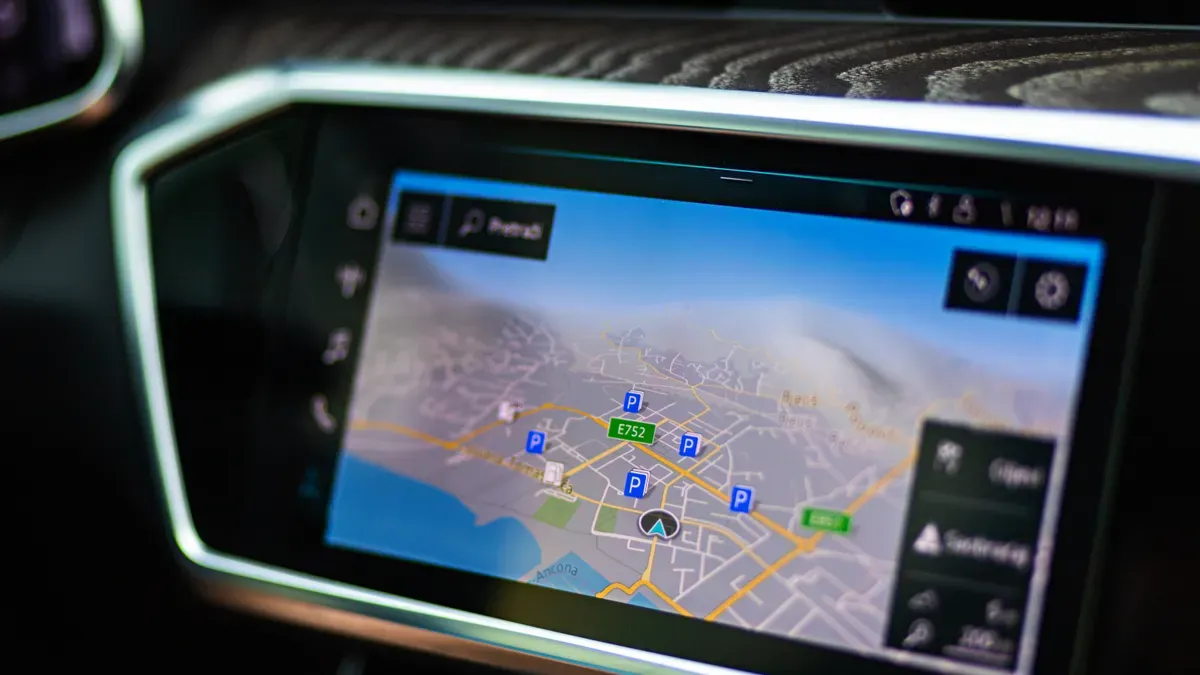
You must pick the right embedded GPS antennas for your PCB. In 2026, there are many choices. Each antenna has special features. These features help you make good GPS devices. New antennas work better and fit in small places. Now, let’s see the top GPS antennas for PCB integration.
Antenova Lepida SMD Antenna (UK)
Antenova Lepida is a chip antenna for PCB integration. It has a low profile and fits in tight spots. The antenna works with many frequency bands. You can use it for 4G, 5G, GSM, LTE, and WCDMA. Check the table below for technical details.
제품 특장점 | 스펙 |
|---|---|
높이(최대) | 0.130 인치 (3.30mm) |
이득 | 0.5dBi, 1dBi, 2.5dBi, 1.6dBi |
주파수 범위 | 617MHz ~ 698MHz, 698MHz ~ 798MHz, 824MHz ~ 960MHz, 1.71GHz ~ 2.17GHz, 2.3GHz ~ 2.4GHz, 2.5GHz ~ 2.69GHz, 3.3GHz ~ 3.8GHz |
주파수 그룹 | 광대역 |
어플리케이션 | 4G, 5G, GSM, LTE, WCDMA |
안테나 유형 | Chip |
수분 감도 수준 | 1 (무제한) |
REACH 상태 | REACH 영향 없음 |
ECCN | EAR99 |
HTSUS | 8529.10.9100 |
You can see how the gain changes in the chart below.
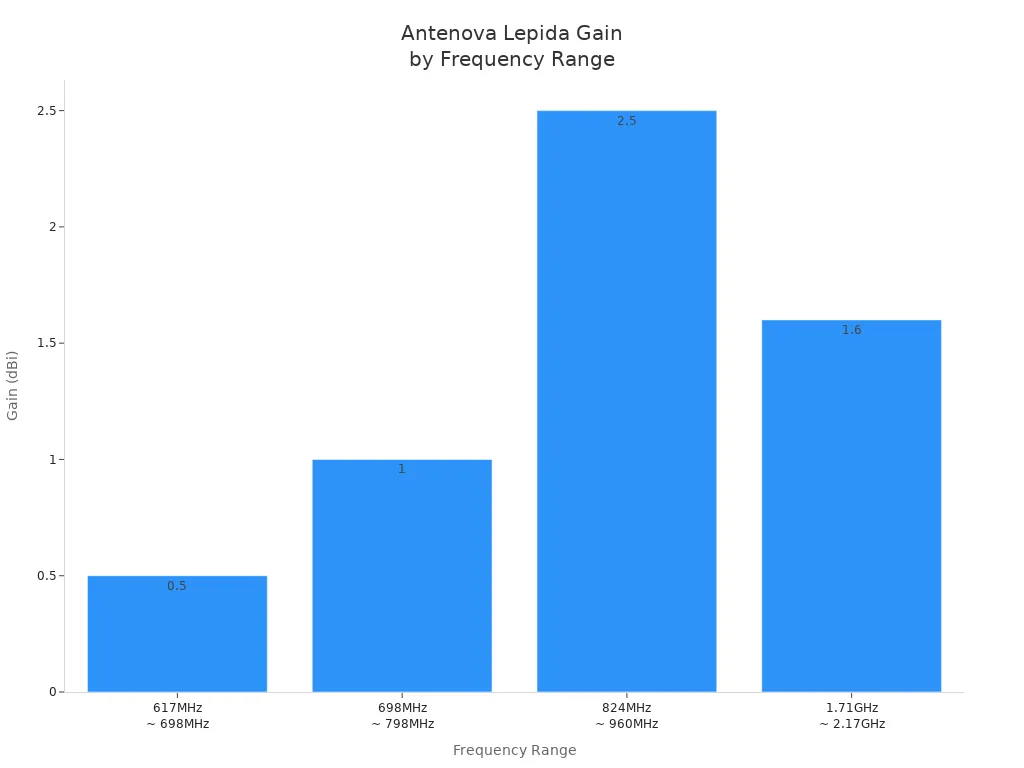
This antenna gives strong signals and is easy to add to your PCB. It works well in devices that need many bands.
Taoglas FXP75 Flexible PCB Antenna (Ireland)
Taoglas FXP75 lets you change your PCB layout. You can bend and shape this antenna to fit. It works for GPS and other GNSS bands. You get good efficiency and steady signals. Taoglas uses special materials to stop interference. You can use this antenna in wearables, asset trackers, and small GPS modules.
Molex 1462000001 SMD GPS Antenna (USA)
Molex 1462000001 is a surface-mount antenna for easy PCB use. It is small and gives good GPS performance. The antenna supports passive GPS antennas and active GNSS setups. Molex gives strong support and clear guides. You can use this antenna in electronics and industrial devices.
Tallysman TW2100 Embedded Antenna (Canada)
Tallysman TW2100 is very sensitive to GPS and GNSS signals. It uses special filters to block interference. You get steady signals even in noisy places. The antenna fits in small PCB spaces and works in IoT devices. Tallysman makes antennas for accurate tracking.
Johanson Technology 1575AT43A0040E SMD (USA)
Johanson Technology 1575AT43A0040E is a small SMD antenna for GPS. It has a low profile and is easy to mount. The antenna supports passive GPS antennas and works in small devices. Johanson Technology uses good materials for steady performance. You can use this antenna in wearables and portable GPS devices.
Yageo (Pulse) W3011B0100 SMD (Taiwan)
Yageo (Pulse) W3011B0100 is for small and strong devices. It is an active patch antenna with LNA, LDO, and DC-bias feed. The antenna fits in small PCB spaces and works well. See the features in the table below.
제품 특장점 | 기술설명 |
|---|---|
컴팩트 한 디자인 | The antenna is designed for compact GNSS-enabled consumer and industrial devices. |
통합 구성 요소 | It includes an active patch with integrated LNA, LDO, and DC-bias feed. |
성능 사양 | Robust performance suitable for high-performance applications. |
You can use this antenna in IoT devices, asset trackers, and GPS modules that need strong signals.
TE Connectivity GNSS Antenna Series (USA)
TE Connectivity GNSS Antenna Series gives you many antennas for PCB use. You get options for GPS, GLONASS, Galileo, and BeiDou bands. The antennas are efficient and block interference well. TE Connectivity makes antennas for cars, industry, and home devices. You can pick the right antenna for your device size and needs.
Tip: When you pick embedded GPS antennas, check the datasheets for gain, frequency range, and how to add them to your PCB. You can make your PCB better by matching the antenna to your project.
The best embedded GPS antennas in 2026 are small, support many bands, and are easy to use. Makers use new materials and smart designs to help you build good GPS devices. You can find antennas for wearables, IoT, cars, and home electronics. The market is moving to flexible, strong antennas that fit in small spaces and give steady signals.
Key features of top GPS antennas
Miniaturization and low-profile design
You want your device to be small and light. Miniaturization and low-profile design help fit a GPS antenna into tight spots on your PCB. These antennas work well in wearables, drones, and handheld gadgets. Microstrip antennas save space but still work well. Your device can stay thin and still get a strong GPS signal.
Fits into small devices
Keeps communication and navigation working well
Supports new electronics like wearables and medical tools
Multi-band GNSS compatibility
Modern GPS antennas can use more than one satellite system. Multi-band GNSS compatibility means your antenna gets signals from GPS, GLONASS, Galileo, and BeiDou. This gives you better coverage and more accurate results. You can see how each frequency band helps your device in the table below:
주파대 | 주파수 (MHz) | 장점 |
|---|---|---|
L1 밴드 | 1575.42 | Main band for most global navigation systems |
L2 밴드 | 1227.60 | Makes positioning better, used in high-precision RTK |
L5 밴드 | 1176.45 | Stops interference, good for hard places |
L6 밴드 | 1278.75 | Used for special high-precision signals |
L- 밴드 | 1.2 ~ 1.6GHz | Gives high-accuracy correction signals for very exact results |
Interference rejection and signal stability
You need your GPS antenna to block unwanted signals. Top antennas use special shapes to stop interference and keep the signal steady. Omnidirectional antennas pick up signals from above and ignore noise from below. A ground plane under the antenna helps stop signal problems. Most GPS antennas have a gain of 3 to 5 dB, so they pick up weak signals and keep your device working in busy places.
Omnidirectional shape stops signal problems
Ground plane makes signals steady
High gain helps the antenna work better
PCB integration and design flexibility
Flexible PCB designs let you shape your device how you want. You can bend or fold the PCB to fit small or odd spaces. This makes it easy to add a GPS antenna to many products. Flexible and rigid-flex PCBs help you make lighter and stronger devices. You can use these designs in wearables, medical tools, and other new electronics.
Saves space in your device
Makes devices stronger and easier to use
Lets you invent new ways to use technology
환경적 내구성
You want your GPS antenna to last in tough places. Good antennas meet strict rules for environmental durability. Look for an IP67 rating or higher if you use your device outside. The antenna should work from –40 °C to +85 °C. Strong radome materials protect against shaking, bumps, dust, and water. This keeps your GNSS antenna working in hard conditions.
Check for IP67 or better for outdoor use.
Make sure the antenna works in very hot or cold places.
Pick antennas with strong materials for long life.
Note: When you pick a GPS antenna for your PCB, focus on these features. They help you get the best antenna performance and a steady GPS signal anywhere.
Leading GPS antenna manufacturers in 2026
You want the best GPS antenna for your project. In 2026, many companies are top leaders. Each company has something special for GNSS and GPS. Here is a quick look at some top makers and what makes them different.
제조업 자 | 국가 | 설립 | 주요 특징 |
|---|---|---|---|
Molex | USA | 1938 | Makes tiny antennas with great accuracy. They are top picks for smartphones and wearables. |
안테노바 | UK | 2001 | Needs little matching work, so you can add GPS fast. |
타오글라스 | Ireland | 2004 | Known for smart RF designs. They mix many features into one antenna for IoT. |
안테노바
Antenova helps you add GPS and GNSS to your device fast. Their antennas need very little matching work. This saves you time and makes things easier. You do not have to do hard tuning. Antenova is known for antennas that fit in small places. You see their antennas in wearables and small gadgets.
타오글라스
Taoglas uses smart technology in its antennas. You can get antennas that mix GPS, GNSS, and other wireless parts together. Taoglas also has an AI tool to help you pick antennas. This tool helps you choose fast, even if you are not an expert. Here is how this tool helps you:
제품 특장점 | 영향 |
|---|---|
AI-driven Recommendation Engine | Makes picking antennas faster for engineers and teams |
Automated Guidance | Saves time and helps you finish projects sooner |
Broad Antenna Portfolio | Gives you many antennas to pick from |
사용자 권한 부여 | Lets anyone choose the right antenna quickly |
You can trust Taoglas for good GPS and GNSS in smart devices and IoT.
Molex
Molex makes small but strong antennas. You see their GPS antennas in phones and wearables. Molex uses careful building steps to make sure each antenna works well. You can count on Molex for good GNSS and GPS in small spaces.
TE Connectivity
TE Connectivity has many GPS and GNSS antennas. You can use them in cars, factories, and home gadgets. Their antennas block noise and last a long time. You get lots of choices and good help for your project.
탈리스만
Tallysman is famous for antennas that pick up weak GNSS signals. You can use their antennas when you need very exact GPS. Tallysman makes antennas that work well even in noisy places. You find their antennas in tracking tools and factory gear.
요한슨 기술
Johanson Technology makes small GPS antennas for wearables and portable gadgets. You get steady signals and easy mounting. Johanson uses good materials so your GNSS antenna lasts and works well.
Yageo (Pulse)
Yageo (Pulse) gives you antennas for both home and work devices. You can find active patch antennas with built-in LNA and LDO. Yageo makes strong, small antennas for new GPS and GNSS gadgets.
Tip: When you pick a GPS antenna, check the maker’s reputation and if their antennas fit your GNSS needs. The right choice helps your device work better and last longer.
GNSS antenna integration best practices
PCB layout and ground plane design
You need to be careful when you design your pcb. The ground plane helps the antenna get stronger signals. Make the ground plane big enough, at least one quarter of the wavelength. This makes your gps and gnss antenna work better. Put the antenna in the middle of the pcb for best results. Keep space around the antenna so nothing blocks the signal. Here is a table with important pcb design tips:
증거 | 기술설명 |
|---|---|
Ground Plane Size | Make the ground plane at least one quarter the wavelength. |
출입 금지 구역 | Leave space around the antenna to avoid interference. |
안테나 배치 | Put the antenna in the center of the pcb for strong signals. |
Tip: Careful pcb design helps you add a gnss antenna easily and makes gps more accurate.
Signal integrity and interference management
You need to protect gps and gnss signals from noise. Use a keep-out area in your pcb to stop noise from other parts. Shielding and filtering block unwanted signals. You can use special materials or shapes to lower interference. Make sure the antenna is far from batteries and metal parts. This helps your gps antenna get clear signals and improves tracking.
Put antennas away from noisy circuits.
Use filters to clean signals.
Shield sensitive spots in your pcb.
Testing and validation for GNSS performance
After you finish your pcb design, you need to test your gps and gnss antenna. Check satellite count, carrier-to-noise ratio, time-to-first-fix, fix stability, position accuracy, and orientation performance. These show how well your antenna works. Always test in the final case and mounting spot. Real-world tests give better results than lab tests. Try tracking sensitivity tests in different places to see how your pcb design works in real life.
Metric to check | 그것이 드러낼 수 있는 것 |
|---|---|
위성 개수 | Shows how well the antenna sees the sky |
Carrier-to-noise ratio | Measures how strong and clear the signal is |
Time-to-first-fix | Finds delays from weak signals or noise |
Fix stability | Checks if tracking stays reliable |
위치 정확도 | Shows if layout or interference affects results |
Orientation performance | Confirms the antenna works well in real use |
Note: Compare lab tests with field tests to make sure your pcb design gives good gps and gnss performance.
Selection criteria for embedded GPS antennas
Picking the right embedded GPS antenna for your PCB is very important. You have to look at a few things to make sure your device works well and stays strong as more people use GPS. Here are the main things you should think about.
Performance metrics (gain, efficiency, sensitivity)
You need to check how well each antenna works. Gain, efficiency, and sensitivity tell you how good the antenna is at getting and sending signals. The table below explains what these words mean and why they matter.
메트릭 | 기술설명 |
|---|---|
이득 | Shows how much the antenna focuses energy in one direction. |
여과 효율 | Tells you how well the antenna turns input power into radiated power. |
극성을 생기게하기 | Describes the direction of the electromagnetic waves. |
축비 | Measures the purity of polarization. |
그룹 지연 변동 | Shows the time difference in signal arrival from satellites. |
위상 중심 오프셋 | Tells you where the antenna receives or sends signals. |
Phase Center Variation | Shows how the offset changes across the antenna’s pattern. |
You want high gain and high efficiency for strong GPS and GNSS signals. Low group delay variation helps your device get more accurate signals.
크기 및 폼 팩터
The antenna’s size and shape must fit your PCB and device. You should pick an antenna that fits the space you have. Small gadgets need tiny antennas, but patch antennas are good if they fit and work well.
Pick the antenna type based on how big your device is and the biggest antenna you can use.
The size you pick changes how well your device gets signals.
The space you have helps you choose the best antenna for GPS and GNSS.
Scalability and mass production
You want antennas that work well when you make lots of them. The antennas should work the same in every device. The table below shows what helps with making many antennas.
요인 | 기술설명 |
|---|---|
제조 정밀도 | Ensures reliable performance in every PCB. |
규제 준수 | Makes sure antennas meet rules and standards. |
기술 채택 | Supports performance across many connectivity standards. |
R&D 투자 | Speeds up new designs for production. |
공급망 성숙도 | Helps you scale from prototype to mass production smoothly. |
Consumer vs Enterprise Demand | Guides form-factor choices for size and reliability. |
You want antennas that keep working well as you make more devices.
기술 지원 및 문서화
Good help and clear guides make it easier to add antennas to your PCB. You can fix problems faster and keep your device working well. The table below shows why support is important.
혜택 | 기술설명 |
|---|---|
Accelerated resolution | Lets you fix issues quickly with instant information. |
기술적 일관성 | Gives you reliable answers based on official guides. |
혁신에 집중 | Lets you spend more time on important projects. |
You need strong support to make GPS and GNSS work better in your device.
Cost and supply chain stability
You should think about how much antennas cost and if you can get them easily. High prices and supply problems can slow down your project and hurt performance.
Problems in the supply chain make it harder to build PCBs.
Not enough chips can make antennas cost more and cause delays.
Fancy GPS antennas cost more, especially if you need very exact signals.
If you only use a few chip makers, you might have more problems.
Updates and security fixes can make the total cost higher.
You need antennas that fit your budget and are easy to get for steady performance.
글로벌 표준 준수
Your antenna must follow global rules for GPS and GNSS. This makes sure your device works in many places and keeps working well. Rules help you pick and design antennas. You need antennas that follow these rules so your device is ready for the future.
Tip: Always check these things before you pick an embedded GPS antenna for your PCB. This helps you make devices that work well and get strong signals as more people use GPS.
Application-specific recommendations for GPS antennas
웨어러블 및 소형 기기
It is hard to add a GPS antenna to small gadgets. There is not much space, so you need tiny antennas like the Radionova M10478 GPS Module. This module has both the RF front-end and antenna for the L1 GPS band. It uses little power and fits in small places. The human body can block signals, so you must design carefully to stop signal loss. You can use special antenna shapes, 3D designs that bend, or chip antennas for simple needs. Multi-band support is good if your device uses more than one frequency.
Tip: Keep the antenna away from batteries and metal parts to stop interference.
IoT and asset tracking
For IoT and asset tracking, you need an antenna that is small and flexible. Devices move a lot, so you want steady signals. Flexible PCB antennas like the Taoglas FXP75 can be shaped to fit your device. Pick antennas that work with many bands for better coverage. Low power use helps your battery last longer. Make sure your antenna works in different places, like warehouses or outside.
Automotive and industrial uses
Cars and factories need tough GPS antennas. Look for small designs that fit tight spaces. The antenna should work with gnss bands like L1 and L2. High gain and efficiency help you get strong signals, even with lots of metal around. Good polarization handling makes signals more accurate. Choose antennas that resist heat, cold, and shaking. Flexible mounting makes installation easier. Cost matters, but do not pick weak antennas for important jobs.
요구 사항 | 업데이트가 중요한 이유 |
|---|---|
높은 이득 | Reliable signal reception |
환경 저항 | 혹독한 환경에서도 작동합니다 |
유연한 장착 | Fits many device types |
소비자 전자 제품
You need to balance performance, cost, and how easy it is to add the antenna. Think about where your device will be used. In cities or forests, you need strong antennas for better signals. Small devices need tiny antennas, bigger devices can use larger ones. If your device uses batteries, pick antennas that use less power. Always compare the cost to the benefits in accuracy and reliability.
Note: Picking the right antenna helps your device work well anywhere.
You now know about the top embedded GPS antennas for your pcb. These antennas help your device get a strong signal. They also make your device work better. You need to pick an antenna that fits your project. Try using new tools to help you choose. You can also ask the makers for help and advice. The GPS antenna market changes often, so be ready for new things.
Remember: If you add the antenna the right way, your device will work better and last longer.
FAQ
What is the best way to place a GPS antenna on a PCB?
You should place the antenna near the edge of the PCB. Keep metal parts away. Make sure nothing blocks the signal. This helps your device get strong GPS reception.
How do you choose the right GPS antenna for your project?
Check the datasheet for gain, size, and frequency bands. Match the antenna to your device’s needs. Ask the manufacturer for advice if you need help.
Tip: Always test the antenna in your final device before mass production.
Can you use one antenna for multiple GNSS systems?
Yes, many modern antennas support GPS, GLONASS, Galileo, and BeiDou. Look for “multi-band” or “multi-GNSS” in the product description.
GNSS 시스템 | 지원되는 밴드 |
|---|---|
GPS | L1, L2, L5 |
GLONASS | L1, L2 |
갈릴레오 | E1, E5 |
북두 | B1, B2 |
What problems can affect GPS antenna performance?
You may see weak signals from interference, poor placement, or small ground planes. Test your device in real-world conditions to find and fix these issues.