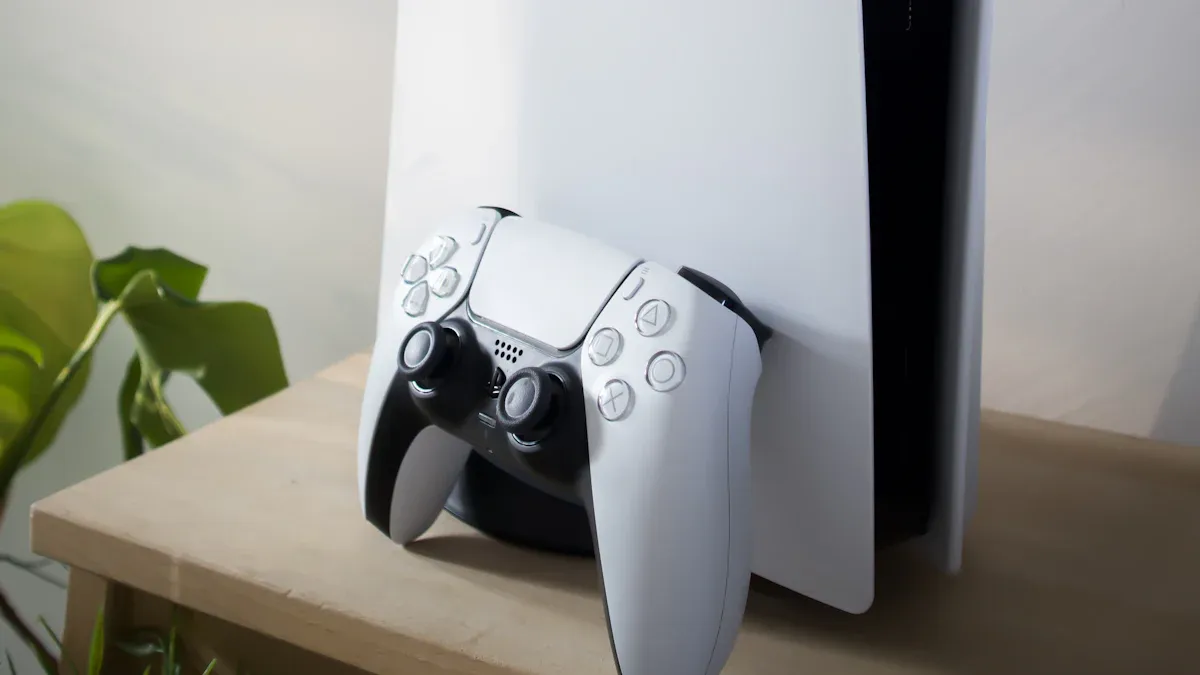
El hardware de las consolas de videojuegos ha transformado la forma en que la gente juega y disfruta de los videojuegos. Los primeros sistemas ofrecían gráficos sencillos y controles básicos. Hoy en día, los jugadores disfrutan de gráficos realistas y mundos inmersivos. La innovación en el hardware permite que las consolas ofrezcan nuevas funciones, como los juegos en la nube , que brindan a los jugadores acceso a los juegos sin necesidad de equipos costosos. La IA crea personajes más inteligentes y desafíos personalizados. El mercado de la realidad virtual crece rápidamente, acercando a millones de usuarios a las experiencias de realidad virtual. Cada sistema ofrece nuevas formas para que los jugadores interactúen y disfruten de los videojuegos.
Puntos Clave
Las consolas de videojuegos han evolucionado desde los gráficos sencillos de la década de 1970 hasta las imágenes realistas de hoy en día.
La introducción de los cartuchos en la segunda generación permitió a los jugadores intercambiar juegos fácilmente.
La Nintendo Entertainment System revitalizó la industria de los videojuegos tras el desplome de principios de los años 1980.
Las consolas de 16 bits mejoraron los gráficos y el sonido, haciendo que los juegos fueran más atractivos e inmersivos.
La sexta generación introdujo los juegos en línea, lo que permitió a los jugadores conectarse y competir a nivel mundial.
Los controles de movimiento de la séptima generación hicieron que los videojuegos fueran más activos y accesibles para todos.
La octava generación trajo consigo gráficos 4K y realidad virtual, mejorando el realismo en los videojuegos.
Las consolas del futuro se centrarán en la inteligencia artificial, los juegos en la nube y los diseños híbridos para mejorar la experiencia del jugador.
Primera generación: década de 1970
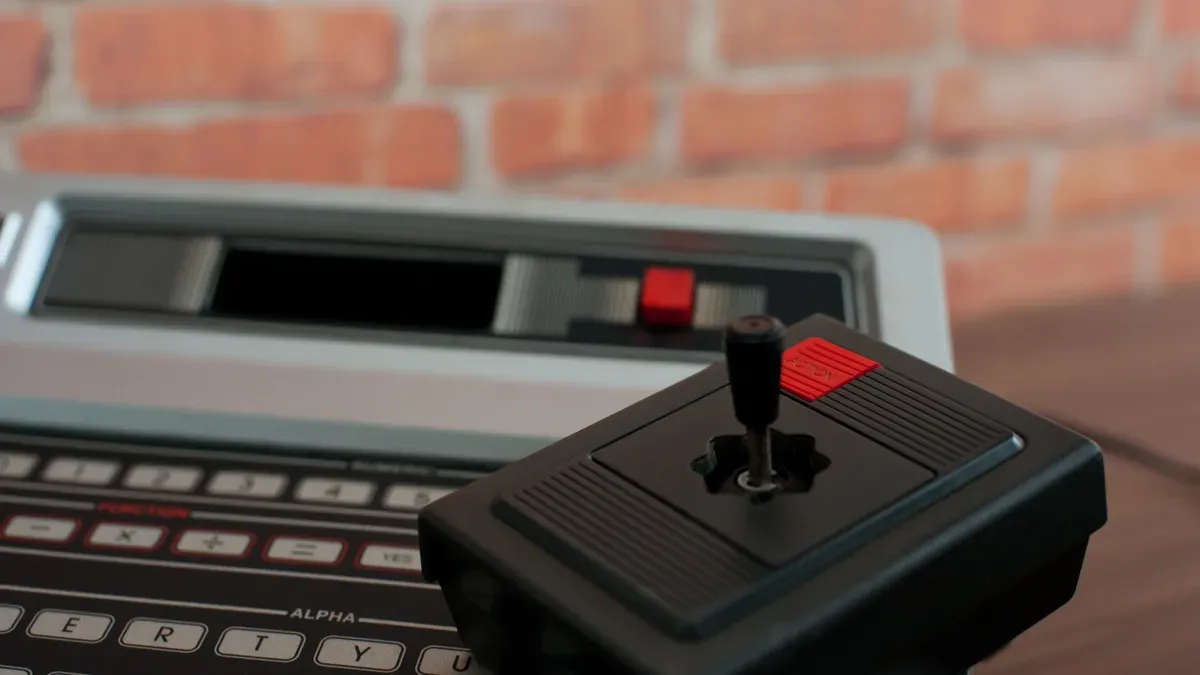
Máquinas Magnavox Odyssey y Pong
La primera generación de consolas de videojuegos surgió a principios de la década de 1970. Las máquinas Magnavox Odyssey y Pong fueron pioneras. La Magnavox Odyssey se convirtió en la primera consola doméstica comercial . Pong le siguió como un sistema dedicado a un solo juego. Ambos dispositivos cambiaron la forma en que las familias pasaban tiempo juntas, llevando el entretenimiento interactivo a la sala de estar.
La Magnavox Odyssey utilizaba láminas de plástico y tarjetas de circuitos para crear diferentes juegos. Los jugadores colocaban estas láminas en la pantalla del televisor. La consola mostraba cuadrados y líneas blancas. Las máquinas de Pong se centraban en la simplicidad. Solo ofrecían un juego, con gráficos y efectos de sonido básicos. El chip General Instrument AY-3-8500 permitía que algunos sistemas de Pong ofrecieran varios juegos al estilo Pong.
Nota: Magnavox Odyssey introdujo el primer periférico de pistola de luz para su juego Shooting Gallery. Las máquinas Pong no incluían periféricos exclusivos.
Elemento | Magnavox Odyssey | Pong |
|---|---|---|
Mostrar | Cuadrados y líneas blancas sobre un fondo negro | Gráficos sencillos para jugar a Pong. |
Sonido | Sin sonido | Efectos de sonido básicos |
Variabilidad del juego | 12 tarjetas de juego para 28 juegos, superposiciones de plástico usadas | Dedicado exclusivamente a jugar al Pong. |
Control | Controladores con cable y funcionalidad limitada | Controles sencillos para Pong |
Periférico único | Primera pistola de luz para la galería de tiro | Ninguna |
Diseño de hardware de consolas de juegos primitivas
Los diseñadores crearon las consolas de primera generación con hardware analógico y circuitos sencillos. Utilizaron circuitos lógicos discretos y computadoras de máquina de estados personalizadas. La mayoría de los juegos estaban integrados en la consola, lo que dificultaba el cambio de juegos. La falta de soportes extraíbles limitaba la variedad de juegos y la interacción del usuario.
La primera generación se basaba en componentes electrónicos básicos.
Los circuitos integrados personalizados, como los chips Pong de Atari, supusieron un paso adelante.
Los diseñadores se centraron en la fiabilidad y la asequibilidad.
Las primeras consolas se parecían a otros aparatos electrónicos de la época. Contaban con interruptores, diales y mandos sencillos. El hardware reflejaba la influencia de los primeros ordenadores. Los ingenieros mantuvieron un diseño práctico y fácil de usar.
Presencia y estética en la sala de estar
Las consolas de primera generación cambiaron el aspecto de la sala de estar. Las máquinas Magnavox Odyssey y Pong tenían forma cuadrada y colores neutros. Se integraban con los televisores y otros electrodomésticos. Las familias colocaban la consola cerca del televisor para tenerla a mano.
Los fabricantes querían que el sistema resultara familiar. Evitaron los diseños llamativos. La consola se convirtió en el centro del entretenimiento familiar. Su llegada marcó el inicio de una nueva era en los videojuegos domésticos.
Consejo: Las consolas de primera generación demostraron que un hardware sencillo podía crear nuevas formas de jugar. Inspiraron futuras innovaciones en las consolas de videojuegos.
Segunda generación: cartuchos y crecimiento
La innovación en Atari 2600 y sus cartuchos
La segunda generación de consolas de videojuegos comenzó a finales de la década de 1970. La Atari 2600 se convirtió en la consola más famosa de esta época. Al principio, se la conocía como "VCS". La segunda generación trajo consigo un gran cambio con el uso de cartuchos de juego. Los jugadores ahora podían intercambiar juegos insertando diferentes cartuchos en la consola. Esta idea fue lo que diferenció a la segunda generación de la primera.
La Atari 2600 utilizaba un microprocesador y cartuchos extraíbles, lo que permitió a los desarrolladores crear muchos juegos nuevos. La consola se convirtió en un éxito en los hogares de todo el país. La gente disfrutaba de juegos como Space Invaders y Pitfall. La segunda generación también vio surgir otras consolas como la Intellivision y la ColecoVision. Cada consola intentó ofrecer mejores gráficos y juegos más divertidos.
Consejo: El sistema de cartuchos ayudó a las familias a crear colecciones de juegos. Podían elegir a qué jugar sin necesidad de comprar una consola nueva.
Avances de hardware en consolas de videojuegos
La segunda generación introdujo importantes cambios de hardware. Los diseñadores utilizaron microprocesadores en lugar de circuitos simples, lo que hizo que las consolas fueran más inteligentes y potentes. Los gráficos mejoraron con más colores y mejores formas. Los efectos de sonido se volvieron más ricos y emocionantes.
Una tabla muestra algunas de las características de hardware clave de la segunda generación:
Elemento | Primera generación | Segunda generación |
|---|---|---|
Medios de juego | Juegos integrados | Cartuchos extraíbles |
Procesador | Circuitos simples | Microprocesador |
DISEÑO | Formas básicas | Más colores y sprites |
Sonido | Simple o ninguno | Sonido multicanal |
La segunda generación también incorporó joysticks y teclados. Estos nuevos mandos ofrecieron a los jugadores más formas de interactuar con los juegos. Algunas consolas incluso contaban con complementos como módulos de voz o memoria adicional.
Ampliando el mercado
La segunda generación transformó el mercado de los videojuegos. Más compañías comenzaron a fabricar consolas y juegos. Las tiendas vendían una gran variedad de cartuchos. Las familias podían encontrar juegos para todas las edades e intereses. La segunda generación convirtió los videojuegos en un pasatiempo popular.
La gente veía los videojuegos como una nueva forma de entretenimiento. La segunda generación impulsó el crecimiento de los videojuegos, pasando de ser una simple idea a una gran industria. El mercado creció rápidamente, pero también se enfrentó a problemas. La sobreabundancia de juegos y consolas generó confusión. Algunos juegos no funcionaban correctamente, lo que provocó una caída del mercado a principios de la década de 1980. Aun así, la segunda generación demostró cómo la innovación en hardware podía moldear el futuro de los videojuegos.
Tercera generación: la era de los 8 bits
NES y el resurgimiento de la industria
La tercera generación marcó un punto de inflexión para los videojuegos. Tras la crisis del mercado a principios de los años 1980, muchos creían que el sector no se recuperaría. Nintendo cambió esta percepción con el lanzamiento de la Nintendo Entertainment System, o NES. La NES devolvió el entusiasmo y la confianza a la industria. Las tiendas volvieron a vender videojuegos y las familias los recibieron con los brazos abiertos en sus hogares.
La NES no solo triunfó en los años 1980. Su popularidad se mantuvo durante décadas. Los datos de ventas recientes demuestran cuánto sigue gustando esta consola clásica:
Nintendo ha vendido más de 10 millones de unidades retro desde su relanzamiento, lo que representa al menos el 4% de las ventas totales en los últimos ocho trimestres.
El relanzamiento de la NES Classic vendió rápidamente 1.5 millones de unidades, lo que demuestra la alta demanda.
La Super NES Classic vendió más de 5 millones de unidades en marzo de 2018, y la NES Classic superó en ventas a otras plataformas poco después de su relanzamiento.
Estas cifras demuestran que la tercera generación, liderada por la NES, revitalizó la industria de los videojuegos y creó un legado perdurable.
Hardware de consola de juegos de 8 bits
La tercera generación introdujo hardware de 8 bits, lo que permitió mejores gráficos y sonido que los sistemas anteriores. La NES utilizaba un procesador de 8 bits personalizado y una unidad de procesamiento de imágenes (PPU) para los gráficos. Este hardware permitió a los desarrolladores crear fondos coloridos, desplazamiento fluido y personajes detallados. La consola admitía hasta 54 colores en pantalla y podía reproducir música y efectos de sonido pegadizos.
Una tabla muestra algunas características clave del hardware de 8 bits:
Elemento | Especificación de NES |
|---|---|
CPU | Ricoh 2A03 de 8 bits |
RAM | 2 KB |
DISEÑO | 256 x 240 píxeles |
Color | 54 en pantalla |
Sonido | 5 canales de audio |
Los mandos también mejoraron. El mando de la NES tenía un diseño sencillo con una cruceta direccional y dos botones de acción. Este diseño se convirtió en el estándar para las consolas futuras.
Soluciones creativas para superar las limitaciones del hardware
Los desarrolladores se enfrentaron a muchas limitaciones con el hardware de 8 bits. Encontraron formas creativas de mejorar el aspecto y el sonido de los juegos. Los programadores utilizaron trucos como la multiplexación de sprites para mostrar más objetos en movimiento en pantalla. Emplearon la conmutación de bancos de memoria para cargar más datos desde los cartuchos. Algunos juegos añadieron chips especiales dentro del cartucho para aumentar la potencia de la consola.
Nota: Los desarrolladores a menudo llevaban el hardware al límite. Utilizaban cada bit de memoria y potencia de procesamiento para crear mundos más grandes y una jugabilidad más fluida.
La tercera generación demostró que un diseño inteligente y un pensamiento creativo podían superar las limitaciones del hardware. Esta época sentó las bases para sistemas aún más avanzados en el futuro.
Cuarta generación: 16 bits y multimedia
Sega Genesis y SNES
La cuarta generación trajo dos consolas famosas a los hogares de todo el mundo. Sega lanzó la Genesis, mientras que Nintendo presentó la Super Nintendo Entertainment System, o SNES. Cada consola ofrecía nuevas formas de jugar. La Genesis utilizaba un procesador rápido y se centraba en los juegos de acción. La SNES brindaba a los jugadores colores brillantes y animaciones fluidas. Ambas consolas se hicieron populares porque mejoraron la calidad visual y sonora de los juegos como nunca antes.
Los jugadores disfrutaron de muchos juegos clásicos en estas consolas. Sonic the Hedgehog funcionaba con fluidez en la Genesis. Super Mario World demostró los coloridos gráficos de la SNES. Estos juegos contribuyeron a que cada consola creara una sólida base de fans.
Gráficos y sonido mejorados
La cuarta generación supuso un gran salto en gráficos y sonido. Los desarrolladores utilizaron procesadores de 16 bits para crear fondos detallados y personajes más grandes. Los juegos mostraban más colores y movimientos más fluidos. La SNES podía mostrar hasta 32 768 colores, mientras que la Genesis admitía 512. Esto hacía que los mundos se sintieran más vivos y emocionantes.
El sonido también mejoró mucho. Las consolas ahora reproducían audio estéreo con seis canales programables. Estos canales podían generar distintos sonidos, como ondas cuadradas, sinusoidales, de diente de sierra y triangulares. Algunos canales producían ruido blanco para efectos especiales. Otros utilizaban LFO o FM para modificar el sonido. Los jugadores escuchaban música y efectos que coincidían con la acción en pantalla.
Nota: La consola Neo Geo tenía gráficos y sonido aún mejores. Sin embargo, su elevado precio la hizo inaccesible para la mayoría de los hogares.
La tecnología CD-ROM surgió durante este período. NEC lanzó el sistema TurboGrafx CD en 1990, seguido por Sega con el Sega CD. Estos complementos permitieron a los juegos utilizar más datos para historias más largas y mejor música. Los CD-ROM hicieron que los juegos fueran más complejos e inmersivos, pero su elevado precio limitó su popularidad.
Servicios en línea tempranos (Sega Channel)
El Sega Channel introdujo una nueva idea en el mundo de los videojuegos. Los jugadores podían descargar juegos y probar contenido nuevo a través de su servicio de televisión por cable. Este servicio demostró que los juegos en línea eran posibles, incluso antes de que internet se popularizara en los hogares.
El Sega Channel permitía a los jugadores acceder a una biblioteca de juegos sin tener que comprar cada uno de ellos.
Introdujo la idea del contenido descargable en las consolas.
El trabajo de Sega con los servicios en línea influyó en consolas posteriores, como la Xbox, que añadió compatibilidad con banda ancha y discos duros.
Los primeros intentos de Sega con los juegos en línea no siempre tuvieron éxito, pero allanaron el camino para futuros sistemas. Las consolas posteriores utilizaron estas ideas para crear tiendas en línea y juegos multijugador.
Consejo: El canal Sega Channel ayudó a dar forma al futuro de los videojuegos en consola al mostrar lo que podían hacer los servicios en línea.
Quinta generación: 3D y CD-ROM
PlayStation y Nintendo 64
La quinta generación marcó un punto de inflexión en la historia de los videojuegos. Sony entró al mercado con la PlayStation, mientras que Nintendo lanzó la Nintendo 64. Estas dos consolas transformaron la forma en que los jugadores veían y jugaban. PlayStation utilizaba CD-ROM para sus juegos, lo que permitía historias más largas y gráficos más detallados. Nintendo 64 utilizaba cartuchos, que cargaban los juegos rápidamente pero tenían menos capacidad de almacenamiento. Ambas consolas se hicieron populares, pero siguieron caminos diferentes en tecnología y diseño.
La PlayStation de Sony atrajo a muchos desarrolladores de videojuegos. La gran capacidad de almacenamiento de los CD-ROM permitía a los creadores añadir vídeos de alta calidad, doblaje y música envolvente. La Nintendo 64 se centraba en una jugabilidad rápida y mundos 3D vibrantes. Muchas familias elegían una consola en función de los tipos de juegos que más les gustaban.
Gráficos 3D y GPU dedicadas
La quinta generación introdujo los gráficos 3D reales en los videojuegos domésticos. Tanto PlayStation como Nintendo 64 incluían hardware capaz de crear formas y mundos en 3D. Estas consolas utilizaban unidades de procesamiento gráfico (GPU) dedicadas para gestionar imágenes complejas. Por primera vez, los jugadores vieron personajes y entornos moverse en tres dimensiones. Este cambio hizo que los juegos se sintieran más reales y emocionantes.
Los desarrolladores aprendieron nuevas formas de diseñar videojuegos. Crearon mundos abiertos, plataformas en 3D y juegos de carreras con movimientos realistas. La GPU del sistema permitió animaciones más fluidas y mejores efectos. Los jugadores notaron sombras, iluminación y texturas mucho más realistas.
Nota: El paso a los gráficos 3D sentó las bases para muchos géneros de videojuegos modernos. También hizo que el desarrollo de videojuegos fuera más desafiante y creativo.
Hardware de consola de juegos con CD-ROM
La tecnología CD-ROM desempeñó un papel fundamental en la quinta generación. El uso de CD-ROM por parte de PlayStation transformó la forma en que se creaban y vendían los videojuegos. La siguiente tabla muestra algunas ventajas y desventajas de la tecnología CD-ROM:
Desventajas de la tecnología CD-ROM | |
|---|---|
Mayor capacidad de almacenamiento | Tiempos de carga considerables |
Menores costos de fabricación | Imposibilidad de cargar datos "sobre la marcha". |
Precios minoristas más bajos | Mayores costes de fabricación de las unidades de CD-ROM |
Tiempos de producción más cortos |
Los desarrolladores de videojuegos disfrutaron del espacio adicional que ofrecían los CD. Podían añadir más música, vídeos y mundos de juego más extensos. Sin embargo, los CD-ROM también conllevaban tiempos de carga más largos. Algunos juegos no podían cargar los datos al instante, lo que obligaba a los jugadores a esperar entre niveles.
La saga Final Fantasy pasó de Nintendo 64 a PlayStation debido a las limitaciones de almacenamiento. Final Fantasy VII se convirtió en un gran éxito en PlayStation, demostrando el potencial de los CD-ROM.
La quinta generación demostró que las decisiones sobre el hardware podían moldear el futuro de los videojuegos. Los CD-ROM contribuyeron a reducir los precios de los juegos y facilitaron a los desarrolladores la creación de juegos grandes y detallados. La guerra de consolas de esta época impulsó el avance tecnológico y brindó a los jugadores nuevas experiencias.
Sexta Generación: Online y DVD
PlayStation 2, Xbox, Dreamcast
La sexta generación trajo consigo una nueva emoción al mundo de los videojuegos. PlayStation 2, Xbox y Dreamcast lideraron el camino. Cada consola ofrecía características únicas que transformaron la forma de jugar. PlayStation 2 se convirtió en la consola más vendida de todos los tiempos. Xbox irrumpió en el mercado con un hardware potente y capacidades online. Dreamcast introdujo los juegos online antes que otras consolas. Los jugadores disfrutaron de gráficos más rápidos, una jugabilidad más fluida y mundos más realistas.
Dreamcast fue la primera consola en lanzarse, ofreciendo a los jugadores acceso a juegos multijugador en línea. Le siguió PlayStation 2 con soporte para DVD, permitiendo a los usuarios ver películas en su consola. Xbox llegó con un disco duro integrado y potentes funciones de internet. Estas consolas hicieron que los videojuegos fueran más sociales e interactivos.
Juegos en línea y discos duros
La sexta generación marcó el inicio de los juegos en línea para consolas domésticas. Dreamcast permitió a los jugadores conectarse a internet y jugar con personas de todo el mundo. Xbox mejoró el juego en línea con Xbox Live, un servicio que permitía a los usuarios chatear, competir y descargar contenido. PlayStation 2 también era compatible con juegos en línea, pero sus funciones de red eran menos avanzadas.
Los discos duros cobraron gran importancia en esta época. Xbox incluía un disco duro para guardar partidas y descargar actualizaciones. PlayStation 2 ofrecía un disco duro como complemento. Dreamcast utilizaba tarjetas de memoria para guardar partidas, pero sus funciones en línea la diferenciaban de otras marcas. Los jugadores podían guardar su progreso, descargar contenido nuevo y actualizar sus juegos.
La tabla muestra algunos avances de hardware que permitieron la integración de juegos en línea y multimedia:
Avance de hardware | Mareas Ideales para Lecciones |
|---|---|
Proyecto Helix | Una futura plataforma Xbox con un sistema en chip AMD personalizado que admite actualizaciones de DirectX y tecnologías FSR. |
Modo Xbox de Windows 11 | Integra DirectStorage y Windows Machine Learning para optimizar las cargas de trabajo de juegos y gráficos. |
NVIDIA RTX PRO™ 6000 | Una plataforma GPU diseñada para renderizado profesional, desarrollo asistido por IA y flujos de trabajo de simulación. |
Nota: Los discos duros y las conexiones a internet hicieron que los juegos fueran más grandes e interactivos. Los jugadores podían unirse a comunidades en línea y compartir experiencias.
Integración multimedia
Las consolas de sexta generación cambiaron la forma en que la gente usaba sus dispositivos de entretenimiento. PlayStation 2 reproducía DVD, convirtiéndose en un reproductor de películas. Xbox permitía la reproducción de música y vídeo, transformándose en un centro multimedia. Dreamcast ofrecía navegación web y chat en línea. Estas características hicieron que las consolas fueran más útiles en el salón.
Los jugadores podían escuchar música, ver películas y navegar por internet. El sistema se convirtió en algo más que un simple dispositivo de juegos. Las familias usaban las consolas para muchas actividades. Este cambio contribuyó a que las consolas se convirtieran en un elemento central del entretenimiento en el hogar.
La compatibilidad de PlayStation 2 con DVD la hizo popular entre las familias.
El disco duro de Xbox permitía a los usuarios almacenar música y vídeos.
Las funciones online de Dreamcast permiten a los jugadores conectarse de nuevas maneras.
Consejo: La sexta generación demostró que las consolas podían hacer mucho más que jugar. Se convirtieron en centros multimedia para toda la familia.
Séptima generación: HD y controles de movimiento
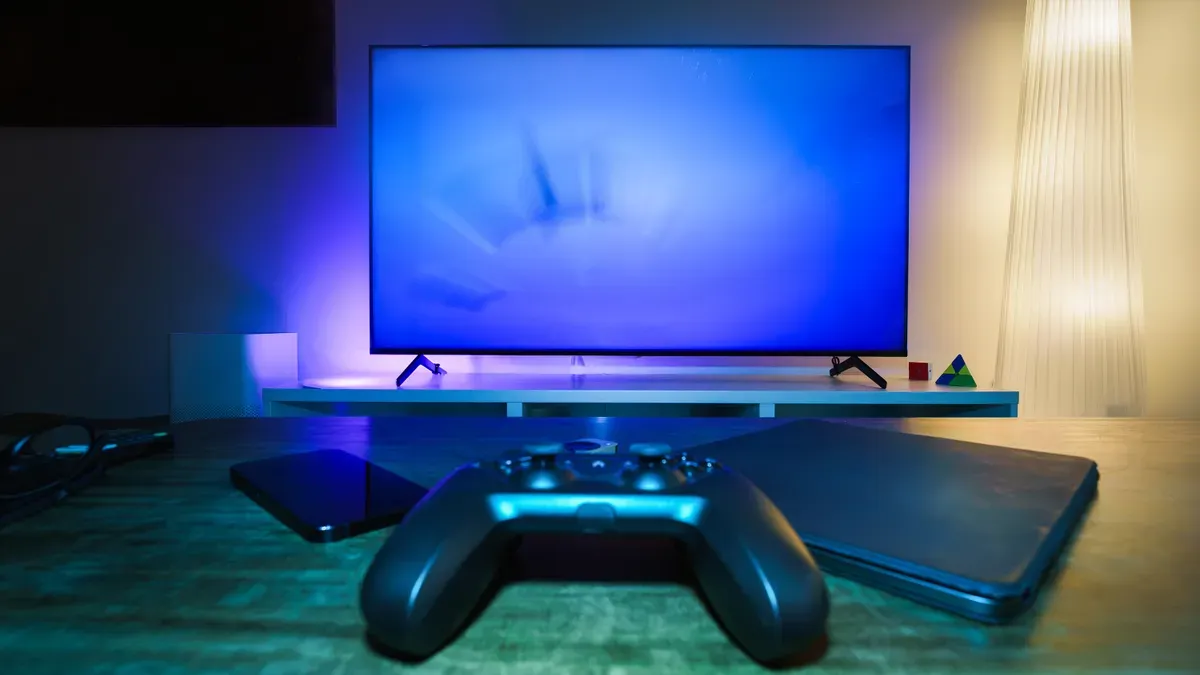
Xbox 360, Playstation 3, Wii
La séptima generación marcó una nueva era para las consolas de videojuegos. Microsoft lanzó la Xbox 360, Sony la PlayStation 3 y Nintendo la Wii. Cada consola incorporó nuevas funciones y transformó la forma de jugar. La Xbox 360 se centró en el juego en línea y las descargas digitales. La PlayStation 3 ofreció gráficos avanzados y compatibilidad con Blu-ray. La Wii destacó por sus controles de movimiento y sus juegos para toda la familia.
La Wii de Nintendo se convirtió en un éxito inesperado. Muchas familias eligieron esta consola por su facilidad de uso. La Wii atrajo a personas que nunca antes habían jugado videojuegos. La Xbox 360 y la PlayStation 3 se dirigieron a jugadores que buscaban gráficos de alta definición y juegos complejos. Estas consolas compitieron por captar la atención en los hogares de todo el mundo.
Gráficos de alta definición
La séptima generación introdujo los gráficos de alta definición en los videojuegos domésticos. Los jugadores disfrutaron de imágenes más nítidas y mundos más detallados. Los desarrolladores utilizaron hardware potente para crear personajes y entornos realistas. Los juegos lucían mejor que nunca.
Un estudio con 64 participantes comparó los gráficos de PlayStation 2 y Xbox 360.
El estudio reveló que la gente notó grandes mejoras en los gráficos de las consolas de séptima generación.
La investigación demostró que mejores gráficos no siempre hacían que los juegos fueran más divertidos. La usabilidad era lo más importante para disfrutarlos.
Los jugadores disfrutaron viendo a sus personajes favoritos en alta definición. Los juegos de deportes, carreras y acción lucían mucho más realistas. La séptima generación estableció un nuevo estándar en cuanto a la apariencia de los videojuegos en consolas.
Controles de movimiento y nuevas interacciones
Los controles de movimiento se convirtieron en una característica clave de la séptima generación. El mando con sensor de movimiento de la Wii permitía a los jugadores controlar los juegos mediante movimientos como balancear, apuntar y desplazarse. Esto hizo que la experiencia de juego fuera más activa y social. Mucha gente que nunca había jugado antes probó la Wii y la disfrutó.
Los controles de movimiento de la Wii facilitaron los juegos a los jugadores ocasionales y a quienes no eran jugadores habituales.
Tras observar el éxito de la Wii, PlayStation 3 y Xbox 360 añadieron sus propias tecnologías de detección de movimiento.
Los controles de movimiento dieron lugar a juegos más sencillos y a nuevos géneros. Estos cambios aportaron ideas innovadoras al mundo de los videojuegos.
Los desarrolladores crearon juegos de deportes, fitness y fiestas que utilizaban controles de movimiento. Los jugadores podían jugar a los bolos, bailar o jugar al tenis en sus salas de estar. La séptima generación cambió la percepción que la gente tenía de los videojuegos. Demostró que cualquiera podía coger un mando y divertirse.
Consejo: La séptima generación demostró que las nuevas tecnologías podían llegar a más personas y crear nuevas formas de jugar.
Octava generación: 4K y realidad virtual
PlayStation 4, Xbox One, Nintendo Switch
La octava generación trajo consigo grandes cambios al mundo de los videojuegos. PlayStation 4 y Xbox One llegaron primero, ofreciendo un hardware potente y nuevas funciones. Nintendo Switch se unió más tarde, presentando un diseño único que permitía a los jugadores usarla tanto en casa como fuera de ella. Cada consola buscaba ofrecer mejores gráficos, una jugabilidad más fluida y más formas de jugar con amigos.
PlayStation 4 se centró en un rendimiento potente y un amplio catálogo de juegos. Xbox One ofreció servicios online avanzados y opciones de entretenimiento. Nintendo Switch destacó por combinar consolas de sobremesa y portátiles en un solo sistema. Los jugadores podían empezar una partida en su televisor y continuar jugando en cualquier lugar. Esta flexibilidad hizo que los videojuegos fueran más accesibles para todos.
Gráficos 4K y realidad virtual
La octava generación marcó el auge de los gráficos 4K y la realidad virtual. PlayStation 4 Pro y Xbox One X admitían la resolución 4K, lo que hacía que los juegos se vieran más nítidos y realistas. Los jugadores notaron colores más brillantes y detalles más claros en sus pantallas. Estas mejoras hicieron que los juegos se sintieran más reales.
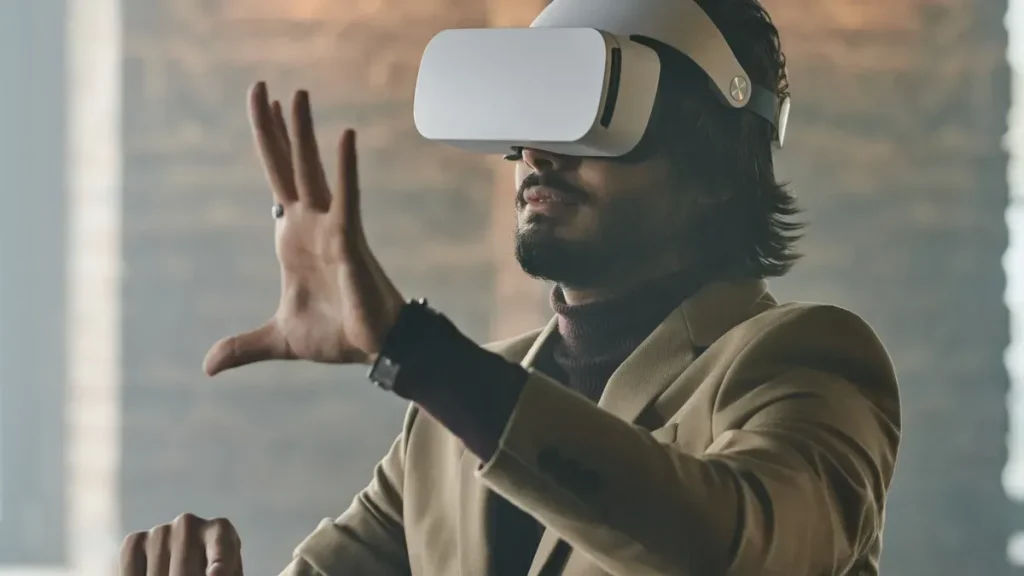
La realidad virtual también se popularizó durante este período. PlayStation VR llevó experiencias inmersivas a muchos hogares. El mercado norteamericano lideró el sector, acaparando cerca del 40 % de los videojuegos de realidad virtual para 2026. La gente invirtió más en videojuegos y adoptó el hardware de realidad virtual desde el principio. Juegos con historias sólidas y mundos interactivos, como «Half-Life: Alyx», ayudaron a los jugadores a sentirse más conectados con la acción. La demanda de experiencias inmersivas impulsó a las empresas a crear mejor tecnología. Tanto la realidad aumentada como la realidad virtual incrementaron la participación de los usuarios e hicieron que los videojuegos fueran más emocionantes.
Nota: El creciente interés por el 4K y la realidad virtual demuestra cuánto valoran los jugadores los gráficos realistas y las nuevas formas de experimentar los juegos.
Consolas híbridas y portátiles
Nintendo Switch cambió la forma en que la gente concibe los dispositivos de videojuegos. Como consola híbrida , fusionó las características de las consolas portátiles y de sobremesa. Los jugadores podían disfrutar de gráficos de alta calidad y juegos multijugador en cualquier lugar. Esta innovación hizo que jugar fuera más flexible y cómodo.
El auge de las consolas híbridas y portátiles transformó el panorama de los videojuegos portátiles. Las ventas de estos dispositivos crecieron rápidamente, demostrando que la gente buscaba opciones versátiles. Más jugadores podían acceder a los juegos, ya fuera en casa o fuera de ella. Este cambio facilitó el acceso a los videojuegos para familias, estudiantes y cualquier persona con un estilo de vida ajetreado.
La siguiente tabla destaca las características clave de las consolas de octava generación:
Consola | Soporte 4K | Soporte VR | Diseño híbrido | Portabilidad |
|---|---|---|---|---|
PlayStation 4 | Sí (Pro) | Sí: | No | No |
Xbox One | Sí (X) | Limitada | No | No |
Nintendo Switch | No | No | Sí: | Sí: |
La octava generación demostró que la innovación en el hardware podía cambiar la forma en que la gente juega, se conecta y disfruta de los videojuegos.
Novena generación: Velocidad y realismo
PlayStation 5 y Xbox Series X
La novena generación de videojuegos supuso un salto cualitativo en velocidad y realismo. PlayStation 5 y Xbox Series X son referentes de esta era. Ambas consolas utilizan procesadores y unidades gráficas avanzadas para ofrecer imágenes realistas y una jugabilidad fluida. PlayStation 5 cuenta con una GPU que, a pesar de tener menos unidades de procesamiento, funciona a mayor velocidad . Este diseño, junto con una función de aumento de frecuencia, permite que PlayStation 5 iguale o incluso supere el rendimiento de Xbox Series X en ciertos juegos. Por otro lado, Xbox Series X ofrece una mayor cantidad de teraflops y una sólida retrocompatibilidad, lo que la convierte en una opción potente para los jugadores que valoran el rendimiento y el acceso a títulos anteriores.
Elemento | PlayStation 5 | Xbox Series X |
|---|---|---|
Procesador | 8 núcleos, 3.5 GHz | 8 núcleos, 3.8 GHz |
Teraflops de GPU | Teraflops 10.28 | Teraflops 12.15 |
Características únicas | GPU de frecuencia variable | Compatibilidad con versiones anteriores |
Control | DualSense con retroalimentación háptica | Controlador estándar |
El mando DualSense de PlayStation 5 añade un nivel extra de realismo. La retroalimentación háptica y los gatillos adaptativos permiten a los jugadores sentir las acciones del juego, como la tensión de la cuerda de un arco o el rugido del motor de un coche. Estas características contribuyen a una experiencia de juego más inmersiva.
Unidades SSD, trazado de rayos y tiempos de carga rápidos
Ambas consolas utilizan unidades de estado sólido (SSD) para reducir drásticamente los tiempos de carga. Los juegos se inician casi al instante y los jugadores cambian de nivel sin esperas. Las SSD también permiten a los desarrolladores crear mundos más grandes y detallados. La tecnología de trazado de rayos aporta iluminación, sombras y reflejos realistas a los juegos. Esta característica hace que los entornos luzcan más naturales y dinámicos.
La GPU de frecuencia variable de la PlayStation 5 permite un rendimiento con gran precisión.
Xbox Series X ofrece gráficos inmersivos gracias a su mayor número de teraflops.
El mando DualSense mejora la respuesta táctil, aumentando el realismo.
Los jugadores notan la diferencia en cada sesión. Los tiempos de carga rápidos y los gráficos avanzados establecen un nuevo estándar en lo que un sistema puede ofrecer.
Juegos en la nube y streaming
Los juegos en la nube y la transmisión en directo están transformando la forma en que las personas acceden a los videojuegos y los juegan. Ahora, los jugadores pueden disfrutar de bibliotecas completas de juegos en streaming sin necesidad de hardware potente en casa. Este cambio implica que las consolas podrían evolucionar para integrarse con los servicios en la nube, ofreciendo a los usuarios mayor flexibilidad. La infraestructura en la nube Azure de Microsoft permite la transmisión de juegos con baja latencia y alta fidelidad. El procesamiento intensivo se traslada a servidores remotos, lo que permite que los dispositivos locales sigan siendo sencillos y asequibles.
Los juegos en la nube y la transmisión en directo están dando paso a un modelo de negocio basado en servicios. Este enfoque puede hacer que los juegos sean más accesibles y reducir la necesidad de equipos costosos.
La integración de la tecnología en la nube con las consolas es cada vez más común. Los jugadores pueden acceder a sus compras digitales desde cualquier lugar, lo que aumenta aún más el valor de la consola. A medida que la infraestructura de internet mejore, es probable que los juegos en la nube desempeñen un papel más importante en el futuro de la industria.
Evolución de las consolas de videojuegos: tendencias e impacto.
Cómo el hardware dio forma a la experiencia
El hardware de las consolas de videojuegos siempre ha influido en la interacción de los jugadores con los juegos. Los primeros sistemas utilizaban circuitos sencillos y gráficos limitados. Los jugadores veían formas básicas y oían sonidos simples. Con el avance de la tecnología, las consolas ofrecieron gráficos más elaborados e historias más profundas. La Nintendo Entertainment System introdujo gráficos mejorados y permitió a los desarrolladores crear mundos inmersivos. La llegada de los procesadores gráficos dedicados a las consolas de videojuegos convencionales hizo posible los entornos 3D. Los jugadores pudieron explorar nuevos mundos y disfrutar de movimientos realistas.
Los cambios en el hardware también afectaron la jugabilidad. Los procesadores más rápidos permitieron que los juegos funcionaran con fluidez. Una mayor memoria posibilitó niveles más grandes y más personajes. Los mandos evolucionaron desde simples joysticks hasta dispositivos con sensores de movimiento y retroalimentación háptica. Estas mejoras hicieron que los juegos fueran más atractivos y accesibles. La evolución de las consolas de videojuegos demuestra que el hardware impulsa la innovación y moldea la experiencia del jugador.
Integración de servicios multimedia y en línea
La integración de servicios multimedia y en línea ha transformado el hardware de las consolas de videojuegos. Las primeras consolas se centraban exclusivamente en los juegos. Los sistemas posteriores añadieron funciones como la reproducción de DVD, música y navegación web. Xbox One se convirtió en un sistema de entretenimiento todo en uno. Los jugadores podían ver películas, escuchar música y jugar en el mismo dispositivo. Nintendo Switch introdujo un diseño híbrido, que permite a los jugadores disfrutar de los juegos en casa o en cualquier lugar.
Los servicios en línea han transformado la forma en que los jugadores se conectan y comparten. Las consolas ahora ofrecen juegos multijugador, contenido descargable y guardado en la nube. Las consolas con inteligencia artificial aprenden de la actividad de los jugadores y personalizan la experiencia de juego. Los servicios en la nube permiten disfrutar de juegos de alta calidad sin necesidad de hardware costoso. Estos cambios han aumentado la participación de los usuarios y han hecho que los juegos sean más sociales.
Nota: Se prevé que el mercado mundial de consolas de videojuegos crezca de 42.0 millones de dólares en 2024 a 61.2 millones de dólares en 2033. Las tecnologías de IA están haciendo que las consolas sean más inteligentes e interactivas.
Año | Consola | Características principales | Impacto en la participación del usuario |
|---|---|---|---|
1977 | Atari 2600 | Consola de juegos doméstica | Hizo que los videojuegos fueran accesibles en casa, pasando de las salas de juegos a los salones. |
1985 | Sistema de entretenimiento Nintendo | Gráficos mejorados, narrativa más profunda. | Permitió experiencias de juego y narración inmersivas. |
2013 | Xbox One | Sistema de entretenimiento todo en uno, integración multimedia | Inicialmente se centró en los medios de comunicación, pero luego cambió de rumbo hacia los videojuegos, mejorando la participación del usuario a través de contenido diverso. |
2017 | Nintendo Switch | Diseño de consola híbrida | Estilos de juego revolucionarios, fomentando el multijugador local y las experiencias de juego social. |
Futuro | Consolas con inteligencia artificial | Experiencias inteligentes y adaptativas | Mejora la inmersión y personaliza la experiencia de juego, aumentando la participación del usuario. |
El auge de las consolas híbridas ha cambiado los estilos de juego.
Las tecnologías de IA están haciendo que los sistemas sean más adaptables.
Los juegos en la nube permiten a los jugadores acceder a los juegos desde cualquier lugar.
Proyecciones futuras para el hardware de las consolas de videojuegos
El hardware de las consolas de videojuegos seguirá evolucionando. La IA tendrá un papel más importante en la renderización de gráficos, mejorando la calidad visual y reduciendo la latencia. Los jugadores disfrutarán de una experiencia de juego más inmersiva y personajes más inteligentes. Las tecnologías de realidad aumentada y realidad virtual revolucionarán los videojuegos. Nuevos dispositivos como las gafas Vision Pro de Apple ofrecerán nuevas formas de disfrutar de los juegos.
Las consolas híbridas serán cada vez más comunes. Los jugadores disfrutarán de experiencias de juego flexibles tanto en casa como fuera de ella. Los modelos de suscripción brindarán acceso a amplias bibliotecas de contenido. Los servicios en la nube permitirán disfrutar de juegos de alta calidad sin necesidad de equipos costosos. La evolución de las consolas se centrará en hacer que los juegos sean más accesibles, inmersivos e interactivos.
La realidad aumentada y la realidad virtual crearán nuevas experiencias.
Las consolas híbridas y los modelos de suscripción ofrecerán más opciones.
Consejo: El hardware de las futuras consolas de videojuegos se adaptará a las necesidades de los jugadores y ofrecerá experiencias más enriquecedoras y personalizadas.
El hardware de las consolas de videojuegos ha transformado la industria de los videojuegos a lo largo de las décadas.
Pong impulsó el crecimiento de la industria, mientras que juegos y consolas icónicas como Super Mario Bros. y Nintendo DS introdujeron nuevas formas de jugar.
Hoy en día, los gráficos avanzados, los juegos en la nube y las opciones de personalización dan forma a las experiencias.
La siguiente tabla muestra cómo las tendencias actuales impulsan la innovación:
Tendencia | Generar impacto |
|---|---|
Cloud Gaming | Amplía el acceso y la participación. |
Pantallas de alta frecuencia de actualización | Impulsa los juegos competitivos |
Los sistemas del futuro integrarán IA, realidad virtual y servicios de suscripción, redefiniendo la experiencia de juego. La innovación en hardware sigue inspirando nuevas posibilidades y enriqueciendo la evolución de los videojuegos.
Preguntas Frecuentes
¿Cuál fue la primera consola de videojuegos doméstica?
La Magnavox Odyssey fue la primera consola de videojuegos doméstica. Se lanzó en 1972. Los jugadores utilizaban láminas de plástico que se colocaban sobre las pantallas de sus televisores para jugar a juegos sencillos.
¿Por qué las consolas de videojuegos pasaron de usar cartuchos a discos?
Las consolas de videojuegos pasaron a usar discos porque estos almacenaban más datos y su fabricación era más económica. Esto permitió a los desarrolladores crear juegos más grandes con mejores gráficos y sonido.
¿Cómo mejoran las unidades SSD la experiencia de juego en las consolas modernas?
Las unidades SSD cargan los juegos mucho más rápido que los discos duros tradicionales. Los jugadores pasan menos tiempo esperando a que se inicien los juegos o se carguen los niveles. Además, las unidades SSD ayudan a crear mundos más grandes y detallados.
¿Qué son los juegos en la nube?
Los juegos en la nube permiten a los jugadores transmitir partidas por internet. La consola o el dispositivo no necesitan hardware potente. Los servidores se encargan del procesamiento y los jugadores controlan el juego desde cualquier lugar.
¿Cómo ha cambiado la realidad virtual los videojuegos?
La realidad virtual (RV) sumerge a los jugadores en el mundo del juego. Los cascos de RV registran los movimientos de la cabeza y muestran imágenes en 3D. Esto hace que los juegos se sientan más reales e interactivos.
¿Qué es una consola de videojuegos híbrida?
Una consola híbrida funciona tanto como sistema doméstico como portátil. Los jugadores pueden usarla en un televisor o llevarla a cualquier parte. Nintendo Switch es un ejemplo popular.
¿Hará la IA que los juegos sean más inteligentes en el futuro?
La IA ayudará a los juegos a crear personajes más inteligentes y desafíos personalizados. Los jugadores verán acciones más realistas y mejores historias. La IA también puede ajustar la dificultad según la habilidad de cada jugador.